
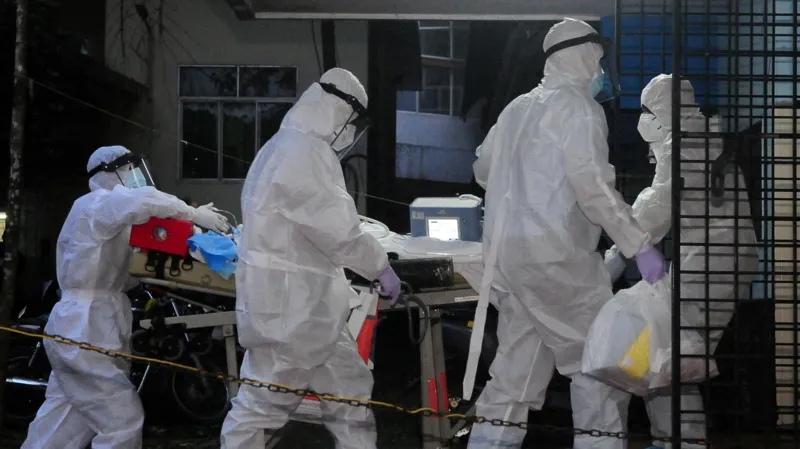
India’s confirmation of two Nipah virus cases in West Bengal has once again exposed serious weaknesses in the country’s public health system despite official assurances that there is “no cause for concern.”
The cases involve two healthcare workers both currently in intensive care, a detail that has raised alarms about hospital safety, infection control and outbreak readiness.
Nipah is one of the world’s deadliest viruses with a mortality rate of 40 to 75 percent and no approved vaccine or specific treatment. In such circumstances, early containment, strict hospital protocols and transparent risk communication are critical.
Yet India’s response has focused more on reassurance than on addressing systemic vulnerabilities.
While Indian authorities say that 196 identified contacts have tested negative, the fact that frontline medical staff were infected points to gaps in protective measures and surveillance within health facilities.
This is not an isolated incident. India has witnessed repeated Nipah outbreaks over the years, particularly in Kerala since 2018 indicating a pattern of reactive management rather than preventive preparedness.
Weak health systems, poor hygiene and regional risk
India’s health infrastructure remains overstretched, especially in poorer regions where sanitation, clean water access and basic hygiene standards are low.
Poverty-driven overcrowding, unsafe food handling and limited public awareness create ideal conditions for zoonotic diseases like Nipah to spread. These are long-standing issues that successive outbreaks have failed to correct.
The response of neighboring countries further underlines the credibility gap. Thailand and Nepal have introduced screening and surveillance for travelers from affected areas, reflecting regional concern that goes beyond India’s official messaging.
Such steps suggest that neighbors are not fully convinced by claims that the outbreak poses no wider risk.
According to the World Health Organization, Nipah outbreaks require heightened vigilance even when case numbers are small precisely because of the virus’s lethality and potential for human-to-human transmission.
While past assessments have rated international spread as low, the WHO has repeatedly stressed awareness and preparedness due to the absence of medical countermeasures.
India’s repeated encounters with Nipah show that downplaying risk does not substitute for strong health systems. Without meaningful investment in hygiene, disease surveillance and hospital safety, each new outbreak risks becoming not just a national issue but a regional public health threat.
Read more: Pakistan Scores Legal Win as Hague Court Directs India to Share Dam Operation Data











