
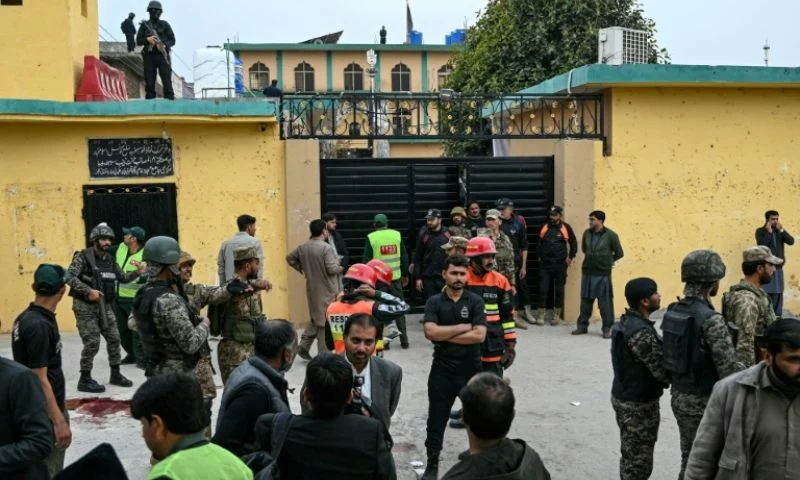
Religious leaders and scholars from across Pakistan, representing all schools of thought, have strongly condemned the deadly suicide bombing at Imambargah Khadijah-tul-Kubra in Islamabad’s Tarlai area, reaffirming a united resolve to confront terrorism and extremism.
Chairman of the Pakistan Ulema Council, Allama Tahir Ashrafi, addressing a news conference on Saturday, said the ulema and the entire Pakistani nation stand shoulder to shoulder with security forces to defeat terrorist elements.
He questioned Afghanistan’s role in supporting militancy inside Pakistan and asked whether this was how Pakistan’s sacrifices and generosity were being repaid. Ashrafi stressed that those responsible for the attack had no connection with Islam or human values.
Opposition Leader in the Senate and chief of Majlis Wahdat-i-Muslimeen, Allama Raja Nasir Abbas, expressed deep sorrow over the tragedy, calling the attack barbaric and cowardly.
He said targeting places of worship was an assault on humanity, religion, and shared social values, and offered condolences to the families of the martyrs while praying for the recovery of the injured.
Chief of Jamiat Ulema-e-Pakistan, Maulana Fazal ur Rehman, also condemned the bombing and expressed solidarity with the affected families.
Religious scholar Allama Amin Shaheedi said such attacks were meant to divide society along sectarian lines, adding that these conspiracies would fail as the nation remained united.
Rector Jamia Banooriya Alamia Mufti Noman Naeem termed the blast a brutal act aimed at destabilizing the country and spreading fear. Other scholars, including Allama Hadi, Maulana Faheem ul Hassan Thanvi, Mufti Dr Mir Ishtiaq, and Allama Sajjad, also condemned the attack.
The bombing during Friday prayers killed 33 worshippers and injured 169 others, making it the deadliest incident in the capital in over a decade. Religious leaders stressed that unity and resolve remain Pakistan’s strongest response to terrorism.
Read more: Tahir Mahmood Ashrafi Condemns Tarlai Attack, Urges National Unity Against Terrorism











