
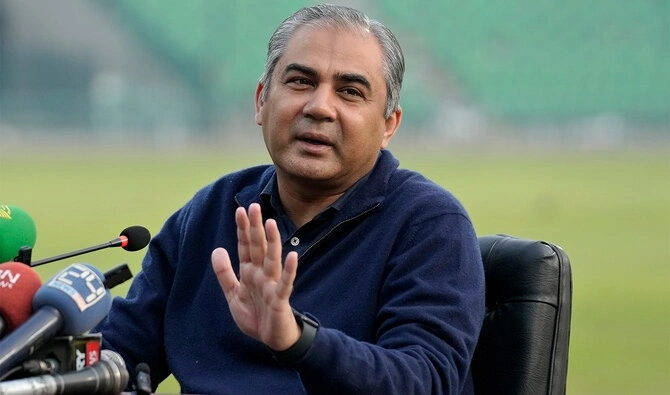
Interior Minister Mohsin Naqvi has confirmed that the recent mosque attack in Islamabad was planned and trained in Afghanistan, with a foreign national of Afghan origin acting as the main facilitator. Investigations reveal coordination among multiple Afghan-based terrorist groups, while evidence suggests that India is financing and directing these networks. The Minister emphasized that terrorism originating from Afghan soil is increasingly becoming a regional threat, affecting Pakistan and neighboring countries.
The arrest of the Afghan-origin facilitator highlights the operational role of Afghan-based networks in targeting Pakistan’s civilian and religious spaces. This incident confirms a direct cross-border terrorist linkage, contradicting repeated Taliban claims that Afghan territory is not used for attacks against other states.
According to UN reporting, over twenty terrorist organizations continue to operate from Afghan soil, and Taliban-controlled Afghanistan has effectively become an operational hub for coordinating terrorist activities. These networks exploit permissive conditions under Taliban oversight to plan, train, and dispatch attackers into Pakistan, while Taliban assurances on counterterrorism have repeatedly proven unreliable.
Minister Naqvi pointed out that India’s involvement goes beyond indirect support; the country is funding, directing, and assigning targets to terrorist proxies operating from Afghanistan. The documented increase in terrorist funding indicates organized external sponsorship rather than isolated militancy. Additionally, propaganda linked to these networks is systematically amplified through Indian media platforms, further normalizing and glorifying extremist agendas.
Despite Pakistan’s sustained containment efforts, the country remains the primary victim of cross-border terrorism, acting as a strategic bulwark against the growing threat from Afghan-based networks. The Islamabad mosque attack is a stark reminder that terrorism is not confined within borders and that proactive intelligence, counterterrorism coordination, and regional cooperation remain crucial to preventing further violence.











