
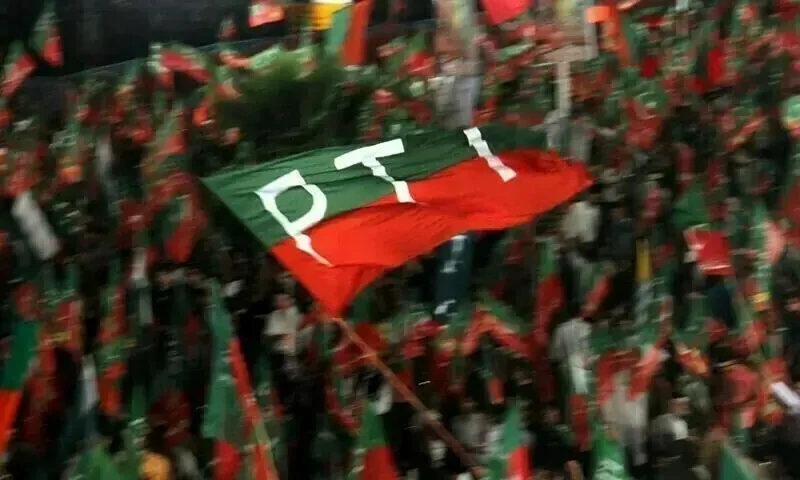
Islamabad, February 8, 2026 — Pakistan Tehreek-e-Insaf’s (PTI) call for a nationwide protest today appears to have largely fallen flat, with citizens continuing their daily routines across the country. Observers note that despite the political hype leading up to February 8, life in most cities remained normal, reflecting a clear public rejection of the party’s protest strategy.
From Haripur to Abbottabad, Barah Bazaar to Mardan, Swabi, Kohat, Dera Ismail Khan, and even Peshawar, markets were open, transport services operated smoothly, and citizens went about their business as usual. In Barah Bazaar, not a single shop was closed, while traders in Landi Kotal and the Gadoon Industrial Estate ignored the protest call entirely. Analysts say the absence of “wheel jams,” shutter-down strikes, or significant demonstrations indicates that PTI’s narrative failed to resonate with the general public.
Political analysts suggest that several factors contributed to this outcome. Many citizens appear exhausted by repeated protest calls that disrupt daily life without tangible outcomes. Others are reportedly wary of politicized actions during sensitive times, preferring stability and continuity in their neighborhoods and workplaces.
This development also raises questions about PTI’s influence outside its traditional strongholds. While party supporters may have expected nationwide mobilization, the disconnect between leadership rhetoric and ground-level public response highlights a gap in engagement strategies. For observers, the muted turnout reflects a broader trend: the Pakistani public increasingly prioritizes day-to-day life and security over political theatrics.
Despite the party’s efforts to frame February 8 as a national-scale protest, the overwhelming normalcy across cities sends a strong message that citizens are not willing to participate in politically driven disruptions. Analysts note that this could signal a need for PTI to reconsider its approach to public mobilization, focusing on tangible issues rather than repeated protest calls.











