
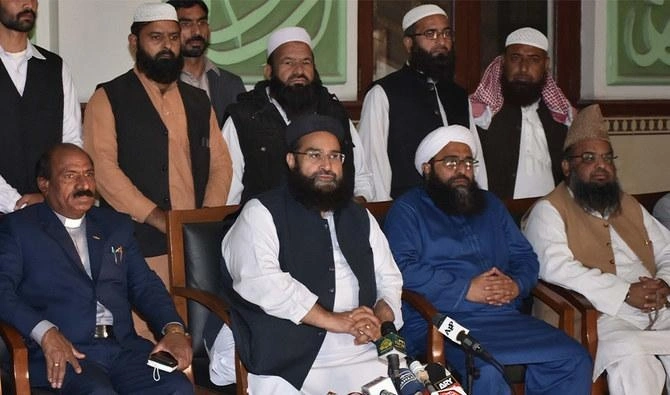
Islamabad – In a rare show of solidarity, prominent religious scholars (ulemas) from all major sects in Pakistan have come together to denounce the violent activities and divisive agenda of terrorist groups like TSM. The clerics emphasized the need for unity among Pakistanis of all faiths and sects to protect national harmony and social stability.
Speaking at a joint press conference organized by Wafaq-ul-Madaris Al-Arabiya, representatives of Sunni, Shia, and other Islamic schools of thought highlighted that extremist attempts to incite sectarian violence threaten both community safety and the country’s moral fabric. The ulemas collectively called upon the government, law enforcement, and citizens to remain vigilant and reject the narratives propagated by violent extremist organizations.
“This is a decisive moment for Pakistan,” said one senior scholar. “Our unity is stronger than any attempt to divide us. Violence, hatred, and terror have no place in our society. We stand together as one nation, one Ummah.”
The gathering also stressed the role of religious education and community guidance in countering radicalization and promoting inter-sect harmony. Scholars urged media outlets and social platforms to amplify messages of peace and discourage the glorification of extremist acts.
The unprecedented collaboration among ulemas demonstrates Pakistan’s collective religious leadership taking a proactive stance against terrorism and sectarianism, signaling a united front against any forces seeking to destabilize the country.











