
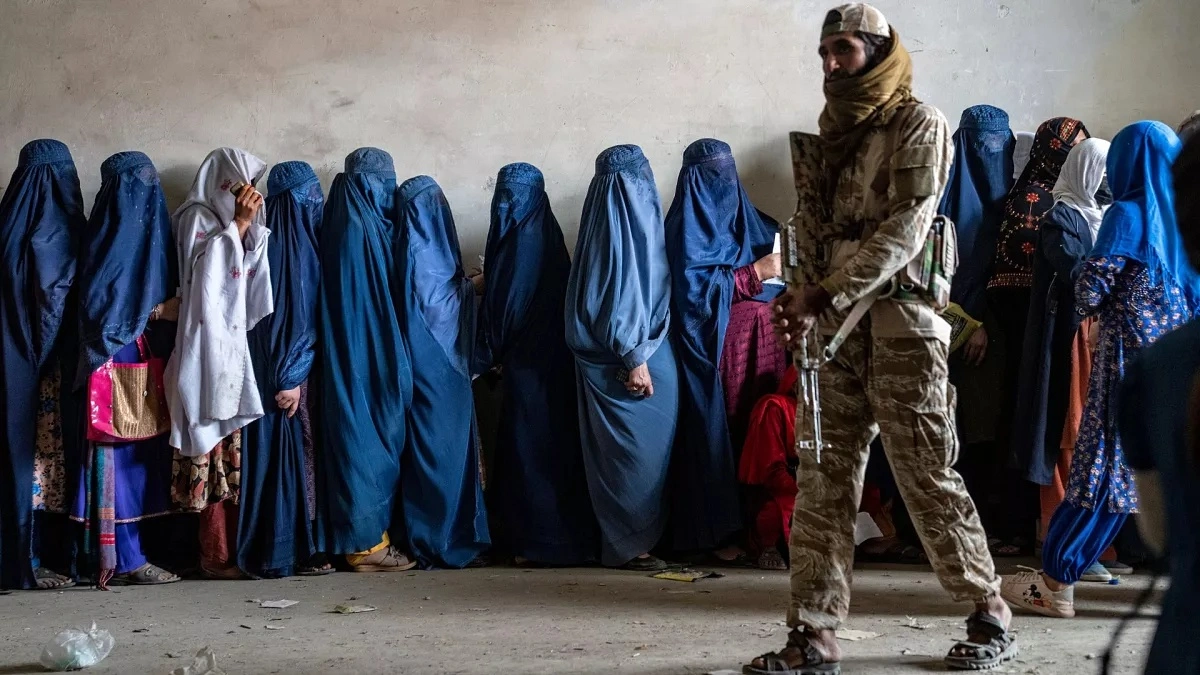
A senior Afghan official has drawn widespread criticism for comments reflecting an outdated mindset, highlighting the disconnect between certain policymakers and the realities of today’s Afghanistan. Observers say such statements demonstrate a lack of awareness about technological advancements, social progress, and economic challenges confronting ordinary Afghans.
Human rights advocates emphasize that remarks dismissing modern governance, women’s participation in public life, or digital innovation perpetuate a “stone age” approach to policy-making. Experts warn that decisions based on antiquated perspectives risk deepening social inequalities, undermining public trust, and stalling development projects across the country.
Afghanistan is facing unprecedented challenges, including widespread poverty, restrictions on women’s rights, and the need for modernization in healthcare, education, and infrastructure. In this context, officials who cling to outdated ideas may inadvertently contribute to the country’s ongoing struggles rather than offering constructive solutions.
Analysts urge that for Afghanistan to progress, leadership must embrace contemporary knowledge, consult diverse stakeholders, and adopt policies that reflect modern realities rather than outdated traditions. Otherwise, the gap between policy and public needs will continue to widen, with serious consequences for the nation’s stability and future.











