
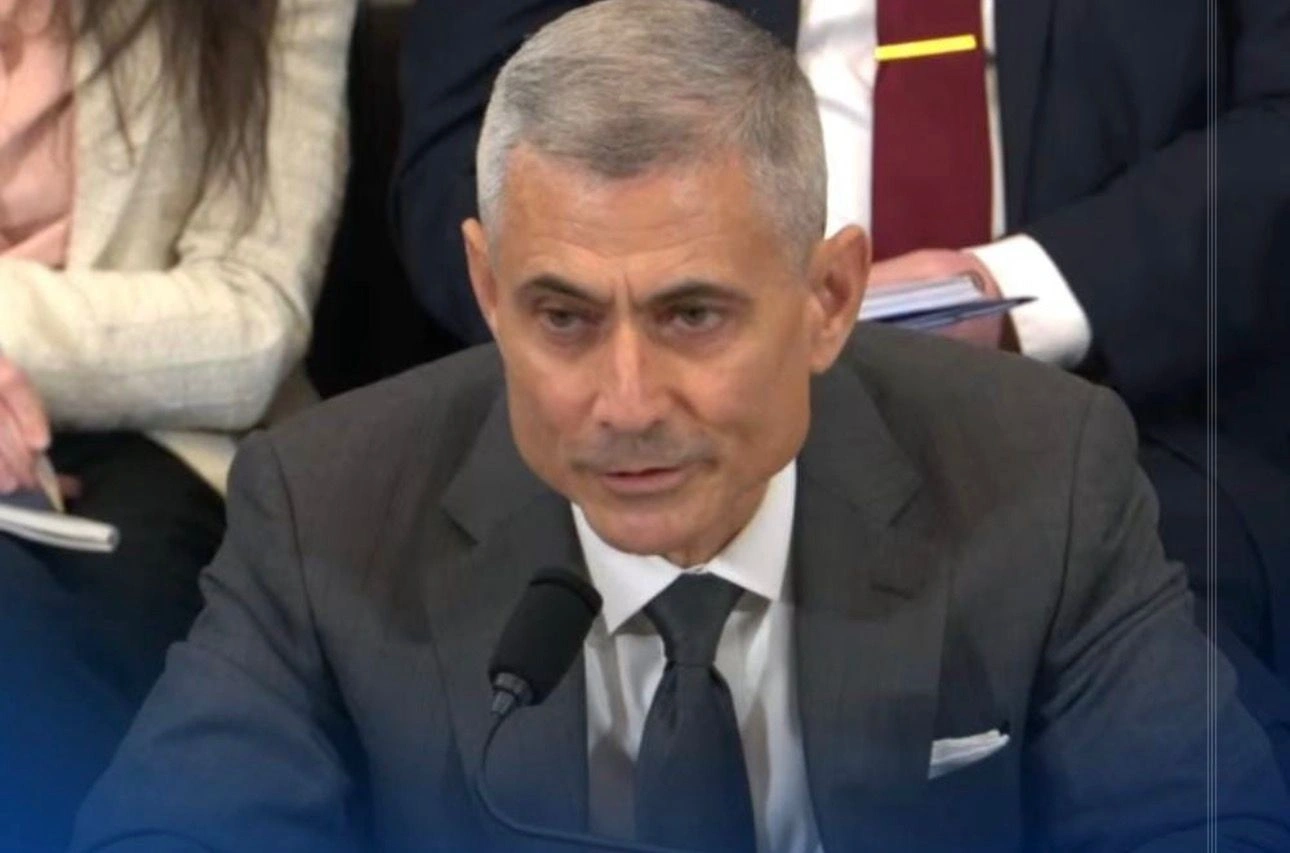
Washington, DC – February 2026 – Paul Kapur, US Assistant Secretary of State for South and Central Asian Affairs, stated on Wednesday that the United States continues to conduct a comprehensive interagency review of its Afghanistan policy. The review, he emphasized, involves coordination across multiple departments, including the State Department, Defense Department, intelligence agencies, and diplomatic missions in the region, and remains in progress with no immediate timeline for public release.
Addressing the South and Central Asia Subcommittee of the US House Foreign Affairs Committee, Kapur noted that the review aims to ensure that US policy toward Afghanistan balances security, humanitarian, and diplomatic priorities. He assured lawmakers that once the review is complete, detailed recommendations and actionable plans would be shared with Congress at the appropriate time to facilitate oversight and informed decision-making.
During the hearing, members of the committee revisited the fallout from the US military withdrawal from Afghanistan, describing it as “disastrous” and stressing the ongoing regional instability, the resurgence of extremist groups, and the humanitarian crises that continue to affect millions of Afghans. Several representatives highlighted the challenges posed by the Taliban’s governance, the presence of terrorist networks such as Al-Qaida and ISIL-K, and the continued risk of cross-border attacks in South and Central Asia.
Kapur acknowledged these concerns and underscored that the ongoing policy review is aimed at addressing the complex security, political, and economic dynamics in Afghanistan. He stressed that the United States remains committed to working with regional partners, international organizations, and Afghan civil society to promote stability, protect human rights, and counter terrorism effectively.
The Assistant Secretary also highlighted that the review process involves assessing long-term US engagement strategies, including diplomatic representation, development assistance, security cooperation, and contingency planning for potential crises. By integrating intelligence assessments, on-the-ground reporting, and multilateral input, Washington aims to craft a policy that is both practical and resilient in addressing Afghanistan’s ongoing challenges.
Observers note that the cautious approach reflects the difficulty of navigating Afghanistan’s complex political environment, the regional security risks posed by extremist groups, and the humanitarian needs of the population. Analysts expect that the final policy will likely combine diplomatic engagement, targeted security measures, and collaboration with international partners to mitigate threats while promoting stability in the region.
Kapur concluded his remarks by emphasizing that the United States remains vigilant and prepared to adjust its policies as conditions evolve on the ground. “Our approach will be deliberate, evidence-based, and aimed at safeguarding both regional security and the well-being of the Afghan people,” he stated, signaling continued US involvement in shaping outcomes in South and Central Asia despite previous setbacks.











