
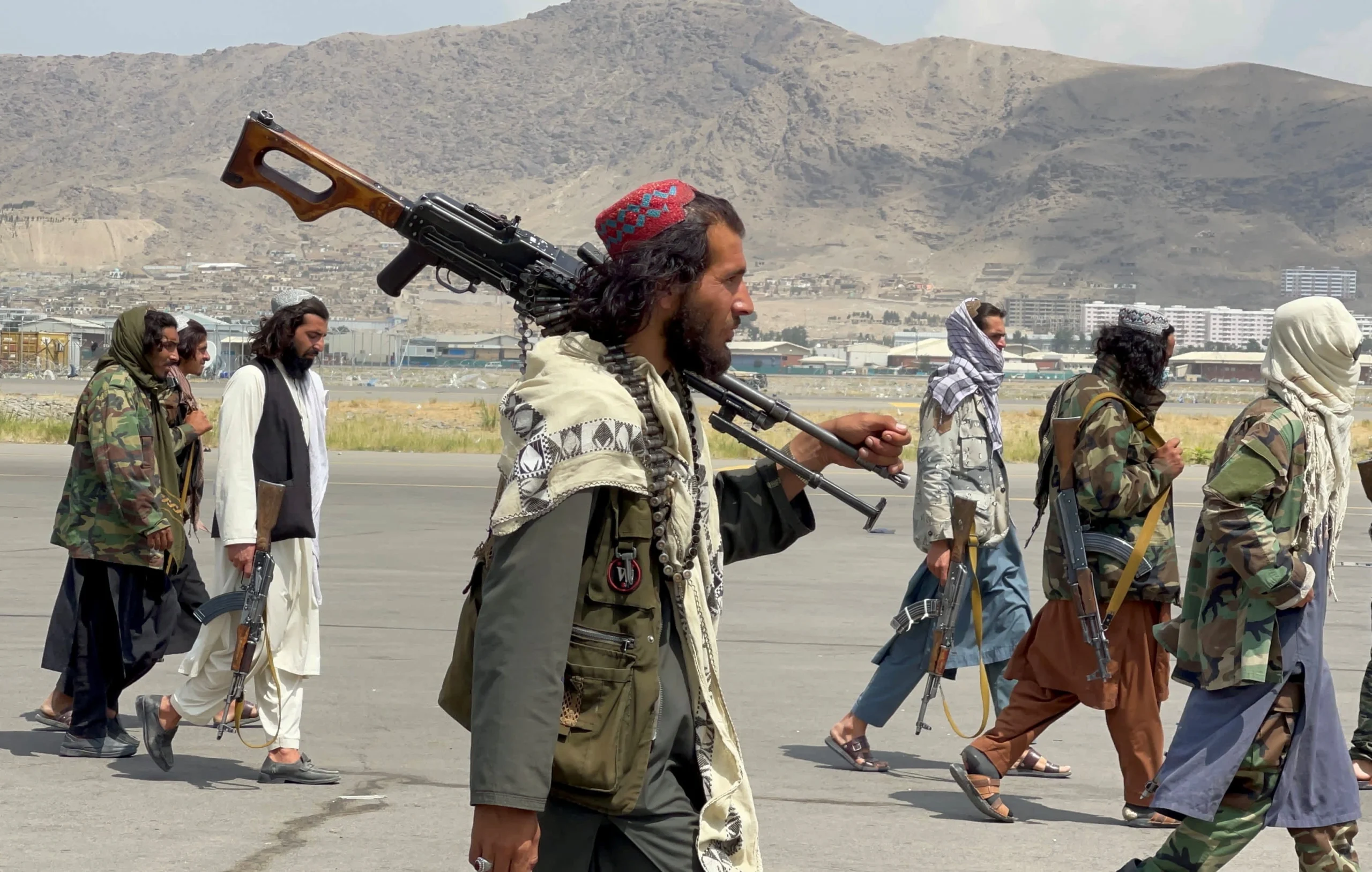
Recent analyses and reports underscore that the Afghan Taliban continue to act as a key enabler of extremist and violent groups in the region. Experts note that the Taliban’s policies and ideology create a fertile ground for the rise and expansion of armed factions, which perpetuate instability and threaten civilian populations.
Historical evidence shows that extremist factions, often referred to as “Khawarij-inspired groups,” have repeatedly exploited Afghan territory as a safe haven for operations. Observers emphasize that understanding their origins and historical conduct is crucial to addressing the ongoing threat. As highlighted in the Qur’an and regional historical accounts, recognizing the true nature of such groups is essential to prevent their ideologies from spreading unchecked.
Security analysts and scholars stress that condemning acts of violence while distinguishing the perpetrators’ ideology is necessary for accurate reporting and effective counter-extremism policies. In recent incidents, extremist groups have carried out attacks targeting local communities, undermining regional security and socio-economic development.
Authorities and civil society actors advocate for:
• Systematic monitoring of extremist activity linked to Afghan Taliban influence.
• Community-level awareness programs to prevent recruitment and radicalization.
• Regional cooperation between Pakistan, Afghanistan, and neighboring countries to dismantle sanctuaries and cut off logistical support to extremist groups.
Video evidence and social media documentation, when combined with historical and security reports, provide clear evidence of the Taliban’s role in facilitating extremist operations. Experts agree that accurate recognition of these threats is not political commentary—it is a necessary step to safeguard communities and preserve regional stability.
Read more :Afghanistan Increasingly Viewed as Regional Terrorism Hub Amid Cross-Border Threats











