
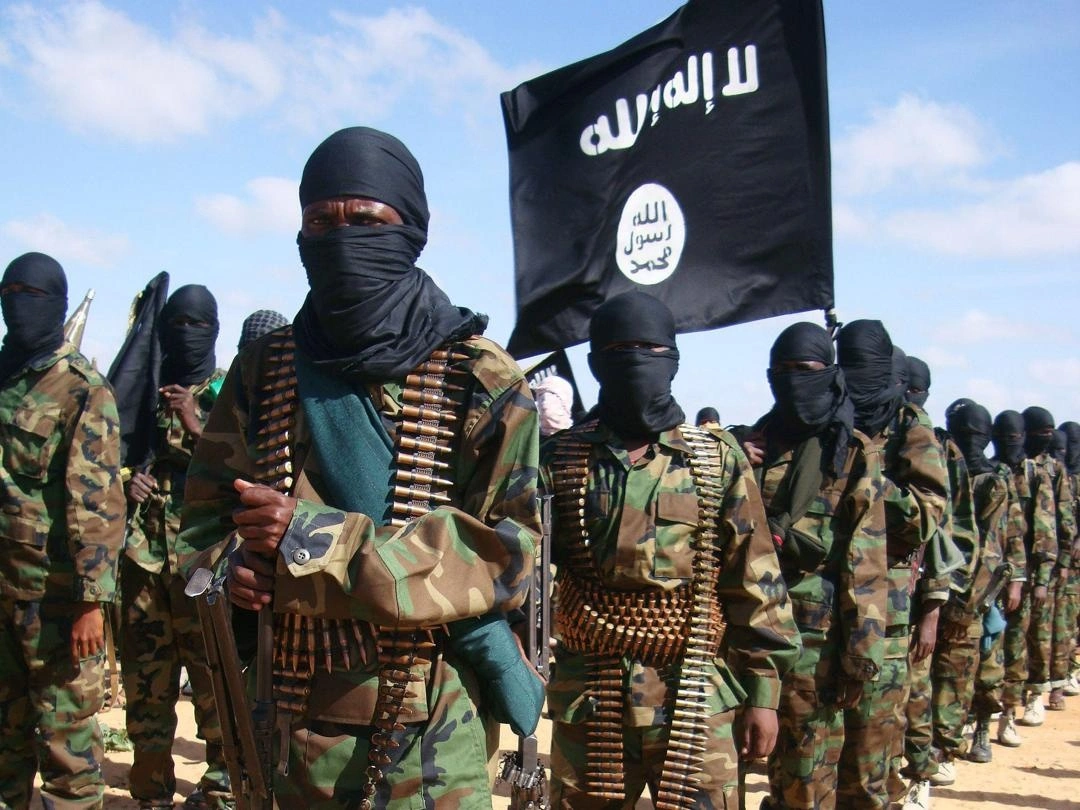
Islamabad, February 14, 2026 – Al-Qaeda Subcontinent (AQIS) is emerging as a significant and growing threat in Afghanistan, according to intelligence sources and security analysts. Reports indicate that recruitment and operational expansion by AQIS, supported by Al-Qaeda leadership and the Taliban, are accelerating at an unprecedented pace.
Training and Operational Hubs
Sources reveal that AQIS training camps have been established across several Afghan provinces, including Nangarhar, Kunar, Khost, Panjshair, Takhar, and Nimroz. These centers serve as both training grounds and operational hubs, hosting not only local militants but also foreign terrorists preparing for deployment. The main operational headquarters of AQIS is located in Dara Noor, Nangarhar Province, directly supervised by Central Emir Osama Mahmood, while his residence remains in Pul Khumri, Kabul.
Coordination between AQIS and other terrorist groups in the region has been reported. These include:
• Jamaat-ul-Ahrar in Paktia and Khost
• Afghan ISIS GDI-registered groups in Nuristan and Kunar
• IMU, TTT, and ETIM in northern Afghanistan
• In Panjshair, a central hub hosts AQIS leadership and foreign fighters awaiting assignment
Key Appointments and Returning Militants
Among the notable developments, Muhammad Jafar Jamal al-Qahtani—also known as Abu Nasir al-Qahtani—has been appointed as coordinator of all AQIS camps. Al-Qahtani, a Saudi national, has a long history with Al-Qaeda, including escaping from Bagram Prison in 2005, subsequent arrests, and recent activity in Syria and Turkey before returning to Afghanistan by air.
Other AQIS leadership appointments include:
• Abu Ikhlas al-Misri at the joint AQIS–Jamaat-ul-Ahrar camp in Birmal, Paktia
• Abu Bakr Muhammad, a Palestinian national, at a newly converted AQIS training center in Deshu, Helmand
• Siraj Abu Muhammad Kurdistani, believed to be Iraqi, supervising the Nimroz camp
• Abdul Rahman Farsi (Abu Salman), an Iranian national, overseeing Panjshair headquarters
• Saleh Muhammad Abdullah (Abu Masna al-Yemeni) managing a camp in Yamgan, Badakhshan
Implications for Regional Security
Intelligence sources warn that the rapid expansion of AQIS, its coordination with other extremist networks, and the presence of experienced foreign fighters represent a growing threat not only to Afghanistan but also to the wider region. AQIS is reportedly building the capacity to carry out cross-border operations, training militants to target regional states, including Pakistan.
Security analysts emphasize that Afghanistan under Taliban rule continues to provide operational freedom for terrorist groups, making the country a permissive environment for recruitment, training, and planning of transnational attacks. The ongoing consolidation of AQIS poses serious challenges for regional counterterrorism efforts and highlights the need for coordinated international vigilance.
Read more :Concerns Grow Over Al-Qaida Sanctuaries and Export of Extremist Violence from Afghanistan











