
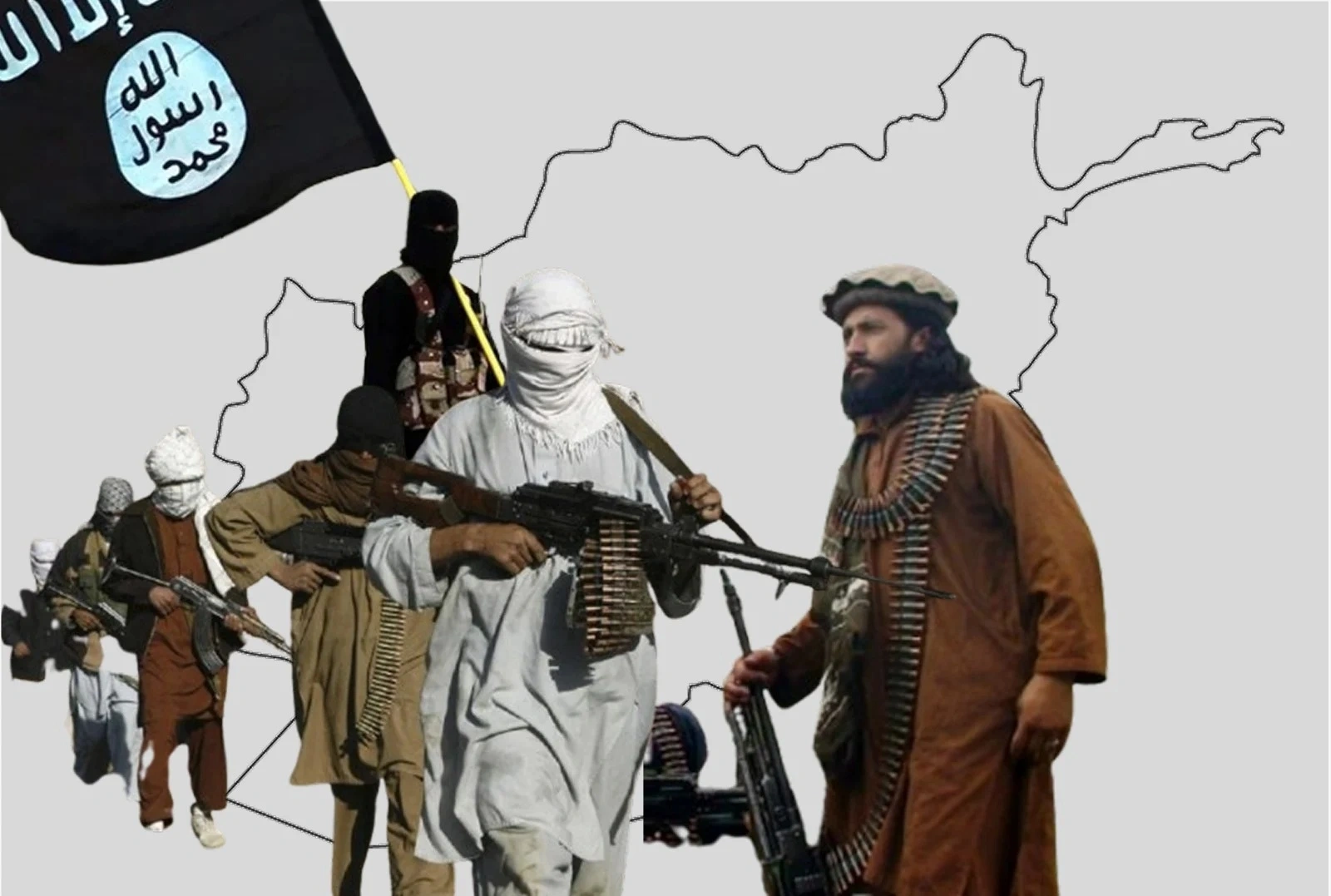
Recent video footage circulating on social media has renewed serious concerns about the continued presence of Al‑Qaida sanctuaries in Afghanistan. Analysts warn that such visuals, when viewed alongside multiple United Nations reports, reinforce longstanding apprehensions about Afghanistan being used as a permissive environment for extremist groups.
UN monitoring reports have repeatedly confirmed the operational freedom enjoyed by the Tehrik‑e‑Taliban Pakistan (TTP) and other terrorist organizations inside Afghanistan. These groups are accused of maintaining training facilities, ideological safe spaces, and logistical networks that enable them not only to sustain violence domestically but also to export instability beyond borders—most notably against Pakistan.
Security experts caution that such sanctuaries allow extremist factions to promote their distorted version of fasād (chaos and violence), undermining regional peace and threatening neighboring states. The situation is particularly alarming given that these narratives are being disseminated openly, suggesting a lack of effective restraint or accountability.
Adding to the controversy, observers note that the video content appears to make a mockery of Abu Ubaida (r.a), a revered historical Islamic figure. Religious scholars and commentators have condemned this as a deliberate misuse of religious symbolism, warning that extremists often exploit sacred names and imagery to legitimize violence and manipulate vulnerable audiences.
Analysts emphasize that highlighting such developments is crucial, as they align with documented international findings and underscore the urgent need for coordinated regional and global efforts to prevent the spread of terrorism, protect religious sanctity, and safeguard regional stability.
Read more :Afghanistan Declared High-Risk and Unsafe as Security, Terrorism, and Human Rights Concerns Deepen











