
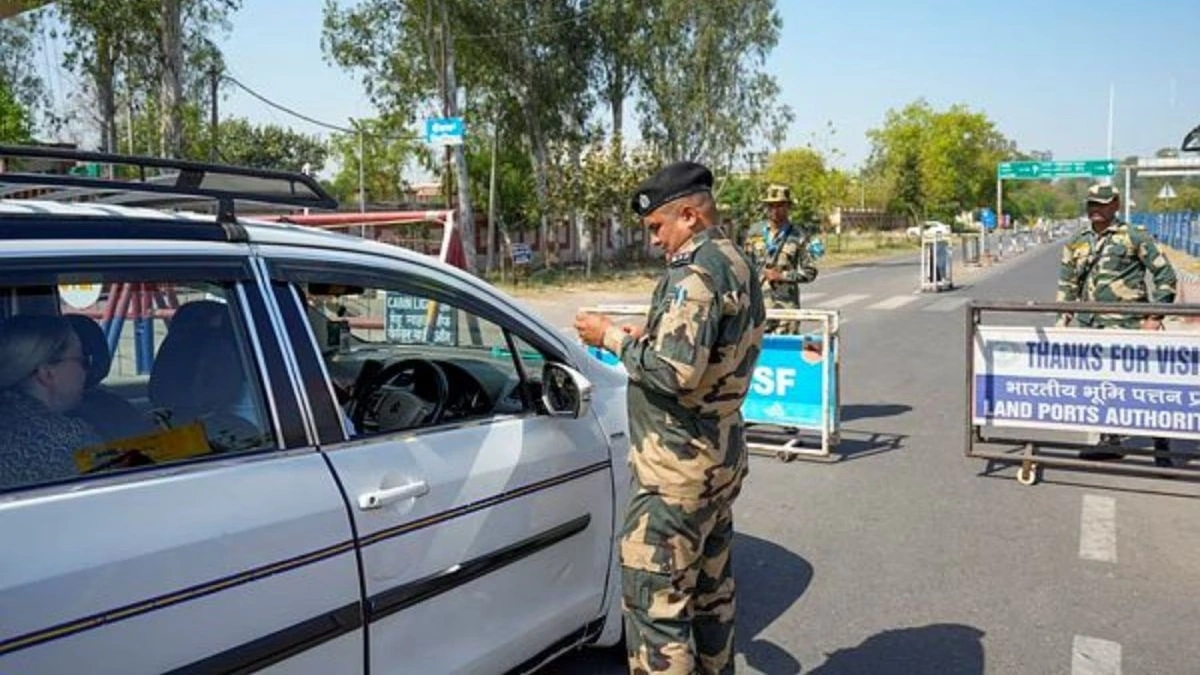
Law enforcement officers operating at checkpoints face an almost impossible balance between public safety and public sentiment. When officers strictly enforce standoff procedures, maintain safe distances, insist on removing outer garments, or carry out thorough searches, parts of society may perceive these measures as humiliation, profiling, or excessive. Human rights organizations raise concerns, social media amplifies criticism, and the very personnel working to prevent attacks can be accused of overreach.
Yet the alternative is equally perilous. When an officer exercises leniency—allowing a suspect to approach out of courtesy or conducting a less intrusive check to avoid confrontation—the consequences can be deadly. This reality was tragically illustrated recently at Dajal Checkpoint in Bhakkar, where a suicide bomber exploited a moment of reduced vigilance and detonated at point-blank range.
The fundamental cruelty of counterterror policing lies in its asymmetric stakes: a bomber requires only one moment of opportunity, whereas an officer must get every decision right, every time. Each choice carries the weight of potential lives lost, making the role both mentally and emotionally exacting.
Experts and security analysts emphasize that such incidents underscore the complexity of frontline counterterrorism. Officers operate under extraordinary pressure, balancing the protection of civilians with adherence to civil liberties and public expectations. The challenge is compounded by the ever-present scrutiny of media and civic observers, which can shape perceptions regardless of intent or outcome.
In a broader sense, these incidents remind society of the hidden risks faced by security personnel and the impossibly narrow margin for error in frontline counterterror operations. While vigilance and discipline are often criticized, they remain essential safeguards against the unpredictable nature of extremist threats. Policymakers, civil society, and citizens alike are urged to recognize the human and operational dimensions of counterterror policing, supporting law enforcement in ways that enhance security while respecting rights.











