
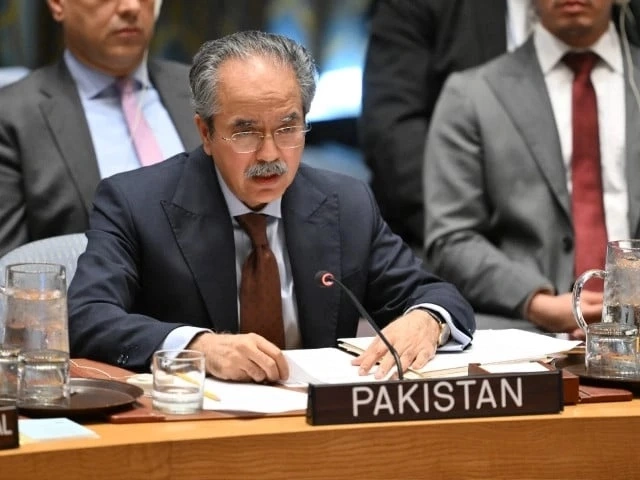
At the United Nations Security Council, Ambassador Asim Iftikhar Ahmad presented a stark reality: under Taliban rule, Afghanistan has become a sanctuary for terrorism. UN monitoring reports confirm that over 20 terrorist groups, including Tehrik-i-Taliban Pakistan (TTP), Balochistan Liberation Army (BLA), ISIS-K, and Al-Qaeda, continue to operate from Afghan soil, posing a serious threat to the region and beyond.
Diplomatic Efforts Ignored
Pakistan has repeatedly attempted to engage the Taliban through diplomacy, humanitarian support, trade concessions, and mediation efforts via countries like Qatar, Turkey, and Saudi Arabia. Despite these measures, the Taliban consistently deny the presence of terrorist groups and refuse to take verifiable action against organizations that target neighboring countries.
Rising Terror Attacks in Pakistan
The consequences of Taliban inaction are visible. Since the Taliban takeover, terrorist attacks inside Pakistan have surged, with many attacks planned and directed from Afghan territory. Civilians, security forces, and even places of worship have repeatedly suffered at the hands of militants enjoying cross-border sanctuary.
Pakistan’s Counterterror Operations
Pakistan clarified that its February counterterror operations targeted identified terrorist camps belonging to TTP and ISIS-K. The escalation occurred only after Taliban forces initiated firing on Pakistani border posts, undermining the Taliban’s attempts to portray themselves as victims.
Message to the International Community
The message delivered at the UNSC was clear: regimes that shelter terrorists, deny their presence, and refuse to fulfill international obligations cannot claim legitimacy. Terrorism nurtured in Afghanistan threatens not only the region but also global security, making accountability and action urgent.
Read more :China warns Security Council of Terrorist Threats in Afghanistan











