
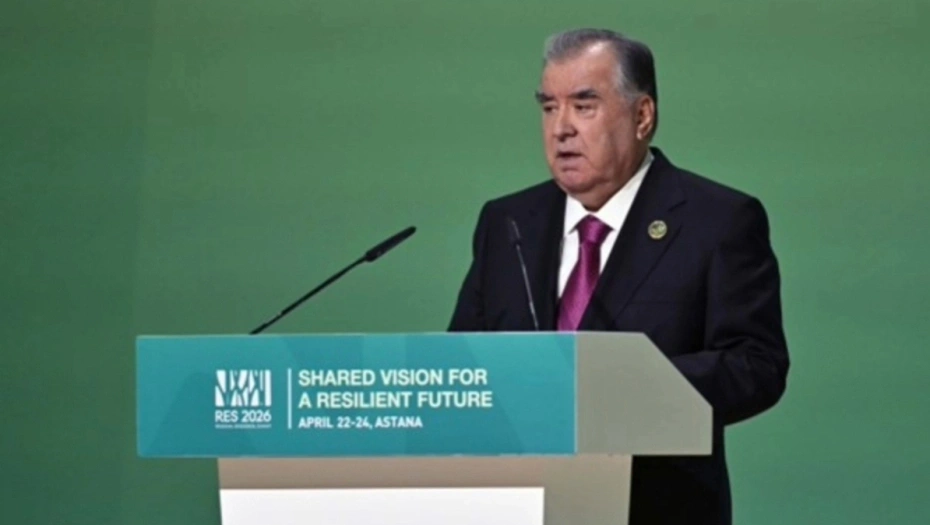
Tajikistan has issued a strong warning about the rapid melting of glaciers in Central Asia. President Emomali Rahmon revealed that more than 1,300 glaciers have already disappeared out of around 14,000. He called this a serious threat to water security in the region.
In addition, experts say the situation is becoming worse each year. The melting glaciers are reducing water flow in major rivers that millions of people depend on for farming, drinking, and electricity. As a result, several countries in Central Asia are now facing growing pressure on their natural water resources.
Regional Efforts to Tackle the Growing Climate Threat
To respond to this crisis, Tajikistan is planning to set up a regional glacier monitoring center in Dushanbe. This project will be developed with support from the World Meteorological Organization. It will help track glacier changes and improve early warnings for water shortages.
Furthermore, President Rahmon has proposed creating a regional carbon market. The aim is to attract investment for environmental protection projects. He also announced a national plan to plant one billion trees by 2040 to help restore the environment.
At the same time, Tajikistan will host an international water conference in 2026. The meeting will bring global experts together to discuss water management and security challenges. Officials believe this cooperation is essential for long term stability in the region.
Overall, the rapid loss of glaciers is no longer just an environmental issue. It is now a serious economic and security concern for the entire region. Without urgent action, Central Asia could face deeper water shortages in the coming decades.











