
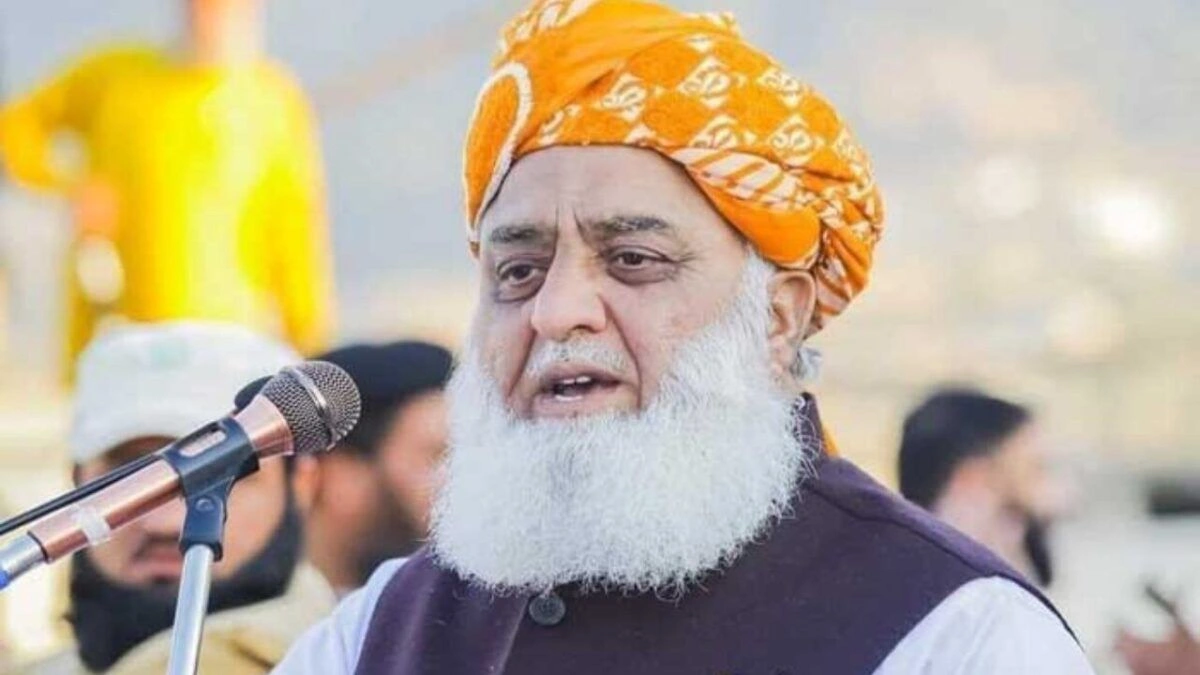
On 30 April 2026, Jamiat Ulema-e-Islam (F) chief Maulana Fazlur Rehman once again adopted a strong critical stance against state institutions in his recent remarks. He questioned security operations carried out by forces against militants in Bajaur and Waziristan. Political observers argue that such discourse appears to align with and indirectly strengthen the narrative of Fitna al-Khawarij.
Continued opposition to state counterterrorism measures
This is not the first time Maulana Fazlur Rehman has taken a critical position on state policies. He has previously opposed the National Action Plan and various counterterrorism measures aimed at eliminating extremist networks. Analysts note that whenever the state takes strict action against militant groups, critical statements emerge questioning these operations.
Experts warn that challenging or politicizing state actions against extremism can inadvertently benefit groups seeking to destabilize the country.
Allegations of personal and political interests
Some circles allege that the sharp tone of Maulana Fazlur Rehman’s discourse may also be an attempt to divert attention from his own controversial political and financial history. Investigations by accountability institutions are reportedly ongoing regarding allegations such as assets beyond known sources of income and irregular land allotments.
References have also been made in public discourse to cases involving large-scale land allotments and permit-related controversies associated with his name.
National security concerns and public perception
At a time when the state maintains a clear position against terrorism, continued political ambiguity is seen by analysts as a source of confusion at the national level. Such narratives are considered potentially beneficial to militant groups by creating space for misinformation and propaganda.
Public sentiment, according to observers, is increasingly demanding a clear and unequivocal stance against terrorism from political leadership, as ambiguous messaging may mislead vulnerable segments of society and undermine national unity.











