
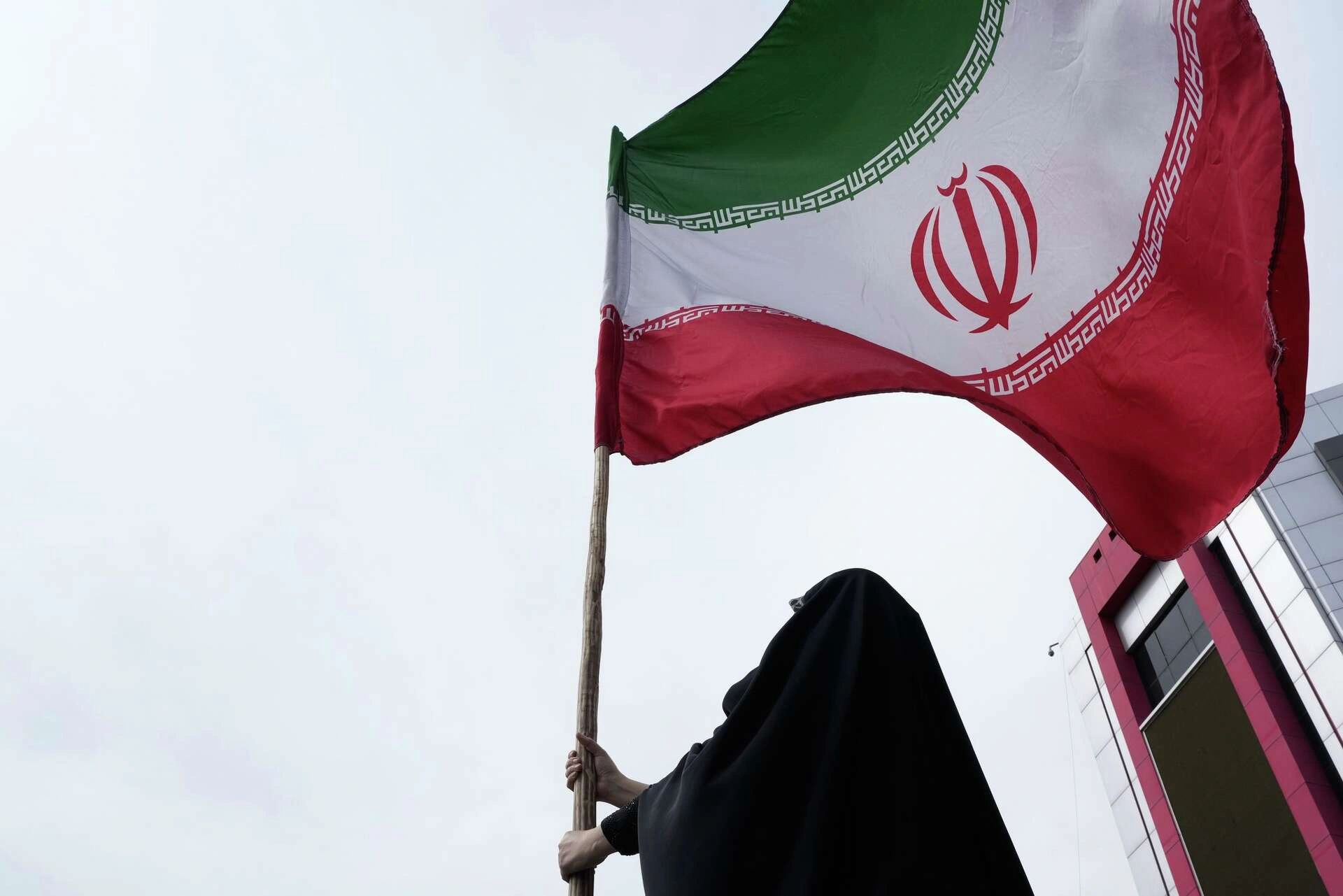
Iran has presented a new peace initiative consisting of three phases, which includes several significant proposals. In the third phase of the plan, Iran suggests initiating a strategic dialogue with Arab countries and establishing a comprehensive regional security framework covering the entire Middle East.
The proposal also includes a mutual non-aggression understanding in which the United States and Israel would not attack Iran or its allies, while Iran would also refrain from launching attacks against the US and Israel. In simpler terms, it reflects a “you do not bother me and I will not bother you” approach. However, according to the author’s view, Iran should have strengthened this condition by proposing that any attack on one country in the region should be treated as an attack on all, with collective defense as a response. Given the history of bloody conflicts in the region, analysts argue that a multi-party security agreement rather than a limited trilateral arrangement is urgently needed.
It is important to recall that during the post-9/11 war period in 2004, the United States introduced the geopolitical concept of a “Greater Middle East,” which also included Pakistan. Since then, Pakistan, Iran, Afghanistan, and several Arab countries have remained in a continuous state of conflict in different forms.
In the second and third components of the plan, Iran has also proposed including Israel in future negotiations. The suggestion of strategic dialogue with Arab states and the creation of a joint security mechanism is being seen as Iran’s first explicit acknowledgment of the importance of Arab participation in regional affairs.
Analysts believe that Iran’s unexpected flexibility in the new peace proposal reflects increasing pressure from naval blockades, ongoing conflict, and severe economic losses, making it difficult for Tehran to sustain prolonged confrontation. Its repeated insistence on compensation for war damages is viewed as an attempt to stabilize its deteriorating economic situation and maintain its regional influence. The inclusion of Israel in dialogue is seen as a major indication of diplomatic flexibility, which could eventually lead to a broader settlement based on mutual concessions and possibly even recognition, depending on future developments.
Observers note that US President Donald Trump is fully aware of Iran’s vulnerabilities and is attempting to leverage what they describe as a “naval strategy” to maximize gains before any final agreement. According to the analysis, the conflict has now shifted from missile and drone warfare to a psychological and strategic “war of nerves,” where control over decision-making and endurance has become critical.
Recent developments around the Strait of Hormuz are also being reversed strategically. Iran’s earlier move toward restricting maritime traffic has reportedly been countered, with what some describe as a “Project Freedom” initiative aimed at reopening the route. According to Trump, several countries affected by disruptions in the Strait are now supporting this initiative.
Reports also suggest that major stakeholders, including China and Pakistan, have recently emphasized the need to keep the Strait of Hormuz open for navigation from both sides. Earlier analysis on this issue had highlighted the Strait’s importance as a global lifeline, and current developments appear to align with that assessment.
Arab media reports further indicate that Iran has softened its position significantly, including postponing its nuclear program-related conditions and showing readiness for immediate negotiations on nuclear issues. It has also reportedly moved away from earlier demands regarding the withdrawal of US forces from the region.
Despite these concessions, analysts argue that Iran is under increasing pressure due to what it describes as maritime blockades and military buildup around its naval borders. The situation is described as unsustainable in the long term.
According to commentators, Iran has already shown considerable flexibility, but further escalation could push the region toward a dangerous conflict scenario. They warn that continued deadlock could turn the Strait of Hormuz into a major flashpoint, with severe consequences for global stability.
Experts conclude that there is now a critical need for a comprehensive and permanent ceasefire agreement, urging all sides to move away from confrontation toward long-term peace.











