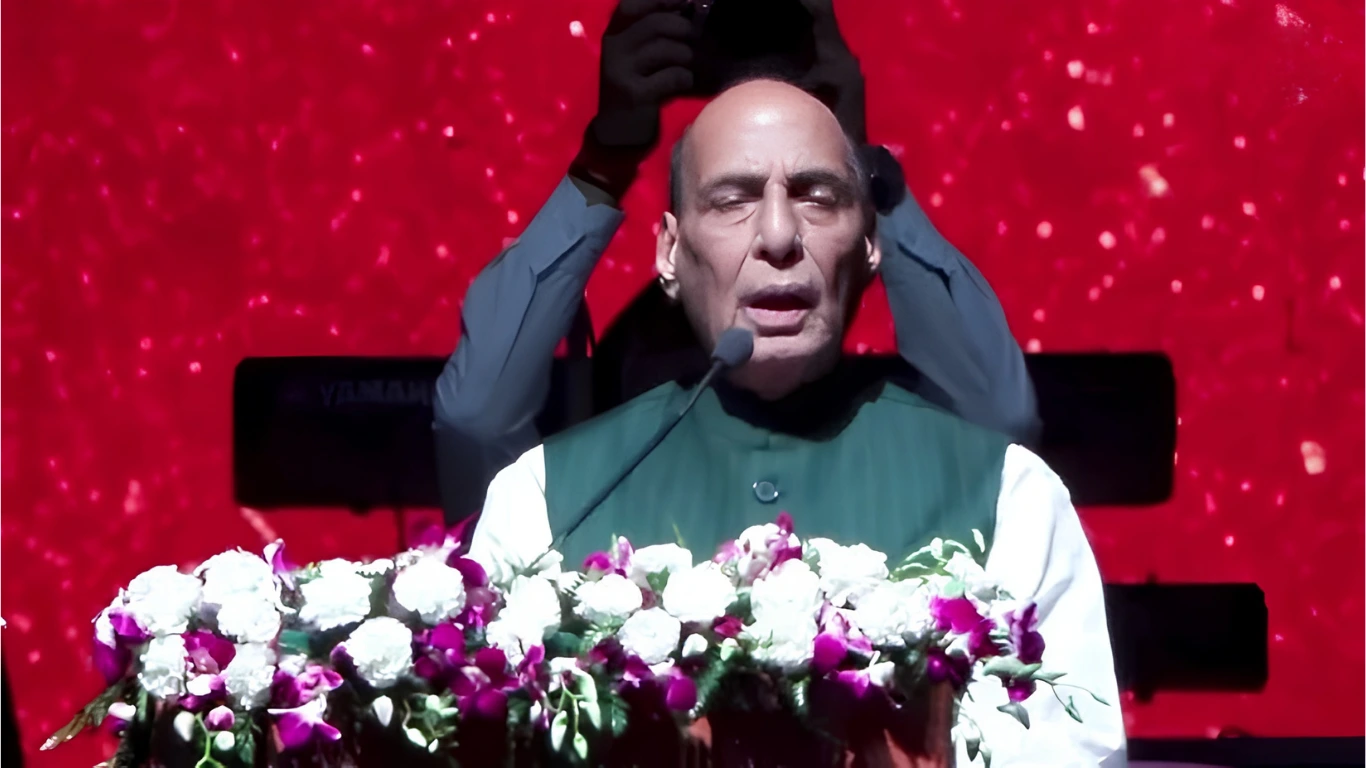
As India holds official celebrations marking the first anniversary of Operation Sindoor this week, Pakistan is presenting a starkly different account of what that operation actually did. On May 2, 2026, Indian Defence Minister Rajnath Singh, speaking at Shaurya Sandhya, an event in New Delhi, described Operation Sindoor as a “golden chapter” in India’s military history and a reflection of the Modi government’s unwavering resolve to eliminate terrorism. What he did not mention were the 40 Pakistani civilians killed when Indian missiles struck 6 cities in the early hours of May 7, 2025, including mosques, residential quarters, and a critical hydropower facility serving millions of people.
What the Missiles Actually Hit
Pakistan’s final official toll, confirmed by ISPR on May 13, 2025, put the civilian death count at 40, including 7 women and 15 children, with 121 others injured. The single deadliest strike hit Ahmedpur Sharqia near Bahawalpur, where 4 missiles struck the Subhanallah Mosque compound, killing 13 civilians among them 2 three-year-old girls, with 37 others wounded. In Muzaffarabad, Bilal Mosque was struck 7 times. In Kotli, Abbas Mosque was hit 5 times, killing a 16-year-old girl and an 18-year-old boy. Indian strikes also damaged the Neelum-Jhelum Hydropower Project near Muzaffarabad, which Pakistan’s Armed Forces described as a direct violation of international law.
Pakistan’s Response at the Time
Defence Minister Khawaja Asif responded with a single sentence that captured what first responders found in the rubble: “They are firing on women and children. Mosques have been destroyed.” The Human Rights Commission of Pakistan stated the strikes constituted a grave violation of international human rights law and could amount to crimes against humanity. India maintained its strikes targeted terror infrastructure and were executed with precision and strategic restraint, a position it never provided any evidence for. Pakistan maintained no militant presence was confirmed at any of the destroyed sites, a position it holds to this day.
How Pakistan Answered
Three days after the strikes, Pakistan launched Operation Bunyan-un-Marsoos on May 10, 2025, hitting 26 Indian military targets including airbases and air defence systems in a tri-services response that the military described as measured, precise, and proportionate. Where India fired on sleeping civilians and houses of worship, Pakistan struck military infrastructure. The government subsequently declared May 10 as Youm-e-Marka-e-Haq, a permanent national day of remembrance. As India this week frames these events as a celebrated military triumph, Pakistan observes them for what they were: an unprovoked assault on civilians that a prepared, resolute nation absorbed and answered with discipline.
Read More: Before the Missiles Fell: What April 22 Set in Motion