
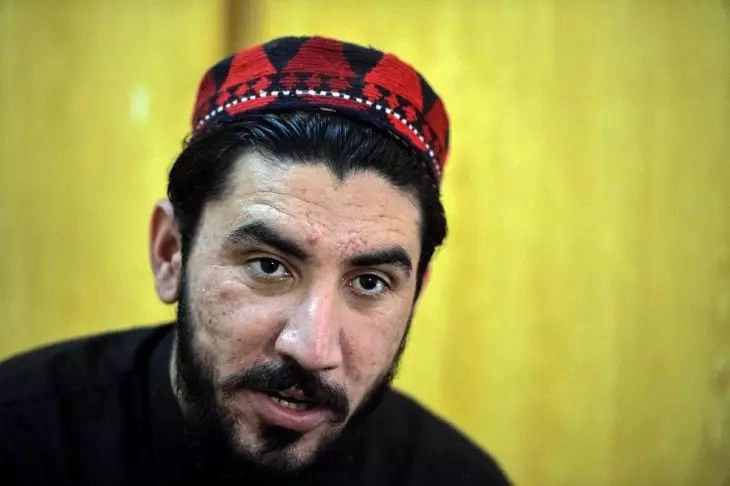
A recent video by Pashtun Tahafuz Movement (PTM) leader Manzoor Pashteen has surfaced on social media in which he levels serious allegations against the state and national institutions and hints at establishing a parallel administrative and military structure. Defence experts and constitutional analysts, after a detailed review of these points, have termed them contrary to facts and a direct challenge to the Constitution of Pakistan.
Reality of Displacement
Contrary to the propaganda presented by Manzoor Pashteen, which portrays displacement as ethnic targeting, the reality is that military operations in tribal areas were aimed at the complete elimination of militancy and safe havens of terrorists. The state prioritized the protection of civilian lives and property during these operations and later allocated billions of rupees for rehabilitation and reconstruction of affected areas. The narrative of resource occupation is also baseless, as after the 18th Amendment, the distribution of natural resources is fully regulated under the constitutional and provincial framework.
Dollar War and Sacrifices of Martyrs
Calling security operations a “Dollar War” is considered an insult to the thousands of soldiers and civilians who sacrificed their lives for peace in the country. This war was not part of any external agenda but a struggle against terrorism that shed the blood of the Pashtun people for years. It is also a matter of record that Pashtun elders and peace committees themselves had requested military action from the state due to the atrocities of militants.
Attempt to Create a Parallel System
The proposal to establish a National Centre on 50 acres of land under the name of a “Khyber Jirga” and the announcement of forming a “private army” is seen as a direct challenge to the writ of the state of Pakistan. Under the Constitution of Pakistan, the authority to use force, legislate, and enforce laws rests solely with elected institutions. Allowing any group to form a private militia would push the country towards civil conflict and cannot be legally justified under any circumstances.
Representation and Political Inclusion
PTM’s claim that Pashtuns are not represented in state institutions is factually incorrect. Pashtuns are well represented across all major state institutions including the Pakistan Army, bureaucracy, and judiciary. Any legal action against individuals or organizations is based on threats to public order and national security, not ethnic discrimination.
Conclusion
The solution to the issues faced by the Pashtun people does not lie in blocking roads, spreading ethnic hatred, or forming parallel armed groups, but in better governance, education, and economic development. The only path to stability lies in upholding the supremacy of the Constitution of Pakistan and adherence to the rule of law, while one-sided emotional narratives only serve the interests of hostile forces.











