
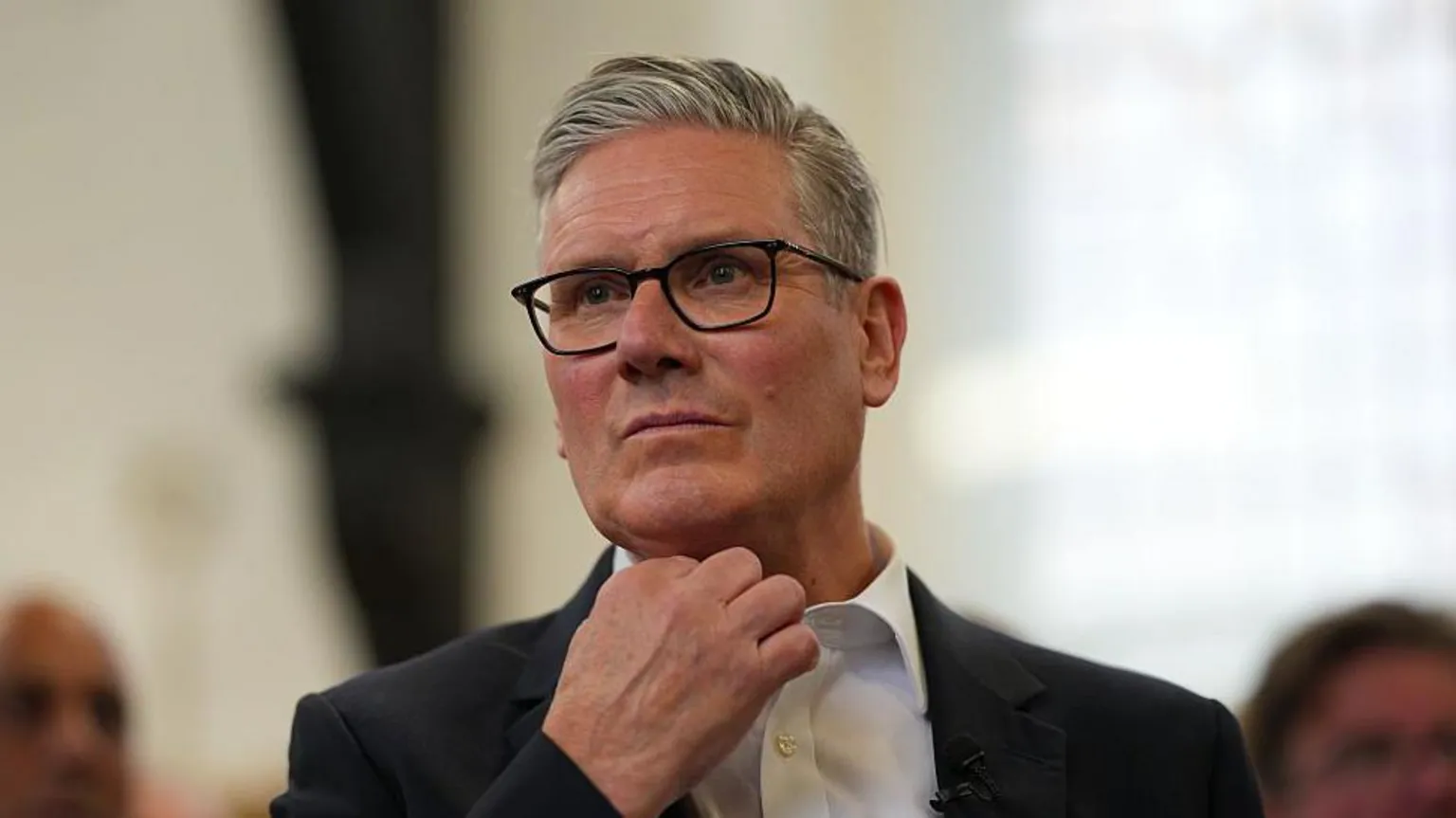
British Prime Minister Keir Starmer has promised to rebuild relations with the European Union after his party suffered heavy losses in recent local elections. Speaking in what was described as a major political speech, Starmer said his government would work to place Britain “at the heart of Europe” again.
He argued that stronger ties with Europe could help Britain improve its economy, trade, defence, and energy cooperation. The speech also hinted that more details could emerge during the next UK-EU summit expected later this summer.
However, reactions in Brussels have been mixed. While European officials welcomed warmer language from London, many also questioned whether the British government is truly ready to make major changes after Brexit.
Some European diplomats believe Labour’s current plans remain too limited. So far, discussions between the UK and the EU have mainly focused on technical agreements. These include food safety standards, carbon trading cooperation, and a youth mobility scheme.
Although these measures may improve some relations, many experts say they are unlikely to create major economic growth for Britain.
At the same time, Starmer’s speech raised fresh questions at home. When asked whether Labour might reconsider its opposition to rejoining the EU single market or customs union, he avoided giving a direct answer. That has led to speculation about whether Labour’s position on Europe could soften before the next general election.
Europe Wants Clear Commitments Not Just Strong Words
Across Europe, there is growing frustration over what some see as unclear British plans. EU officials say London has repeatedly spoken about a reset in relations, but practical steps have remained small.
One European diplomat said the UK government sounds increasingly positive about Europe, yet still avoids explaining how far it is willing to go. According to EU officials, closer economic cooperation always comes with conditions.
For example, Britain has already agreed to follow some EU regulations in areas where it wants easier trade access. Critics in the UK argue this could slowly pull Britain back under European rules without formally rejoining the EU.
Nigel Farage’s Reform Party has strongly attacked Labour’s approach. The party claims Starmer is trying to reverse Brexit through the back door. Farage’s recent political success has also caught attention in Brussels, where many still remember his long anti-EU campaign before Brexit.
Meanwhile, Europe remains highly interested in security cooperation with Britain. EU leaders continue to see the UK as an important partner on defence, especially during the Russia-Ukraine war and rising tensions in the Middle East.
British support for Ukraine and participation in Nato are expected to continue regardless of who leads the government in the future.
Still, economic relations remain the biggest challenge. EU officials say Britain must decide how close it really wants to be with Europe. They argue that stronger trade benefits would require Britain to accept more EU rules and possibly greater movement of people across borders.
For now, many in Brussels believe Starmer’s vision remains ambitious in language but limited in detail. The coming months may show whether Britain is truly ready for a deeper relationship with Europe after years of Brexit tensions.











