
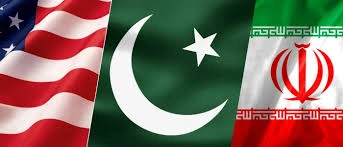
In Washington, accusations of bias in US media have been rejected in response to recent criticism involving CNN reporter Alina Train. The debate began after she questioned Pakistan’s role as a mediator in ongoing diplomatic efforts between Iran and the United States.
At the center of the discussion are remarks made by Alina Train, who cited unnamed US officials to raise doubts about Pakistan’s neutrality. Critics say her reporting relies on sensational framing rather than balanced journalism. They also argue that her approach oversimplifies complex diplomatic efforts.
In addition, supporters of Pakistan’s position have pointed out that former President Donald Trump had previously expressed discomfort with similar lines of questioning from the same reporter. This has further fueled debate in political and media circles in Washington.
Meanwhile, Pakistan continues to position itself as a key communication channel between Washington and Tehran. Officials say both sides are relying on Pakistan during a sensitive and high risk regional situation. They emphasize that the goal is stability, not political point scoring.
Moreover, Pakistani officials have strongly rejected claims that question their neutrality. They stress that effective mediation depends on trust and credibility. According to them, Pakistan is working to support dialogue and reduce tensions in the region.
In response, critics argue that some media narratives tend to cast doubt on diplomatic efforts instead of examining facts. However, Pakistan maintains that its role is guided by responsibility and a commitment to peace.
Finally, officials underline that successful mediation requires building trust between conflicting parties. Pakistan says it continues to work within this framework to help manage an already fragile regional environment.











