
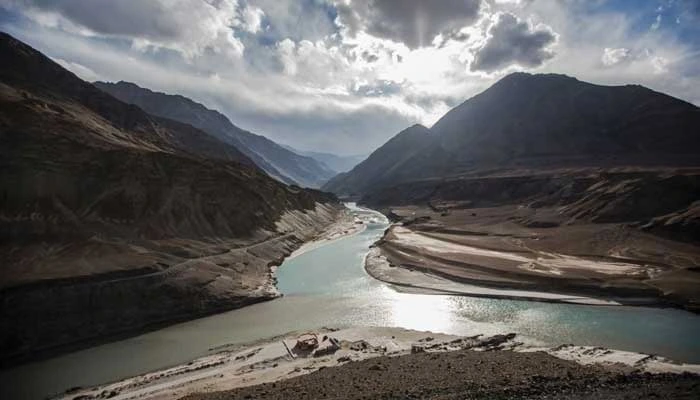
The Permanent Court of Arbitration issued a supplemental award on May 15, 2026, reaffirming its full jurisdiction over the Indus Waters Treaty dispute between Pakistan and India, proceeding despite India’s complete boycott of the proceedings. India’s Foreign Ministry rejected the ruling outright, calling the court illegally constituted and declaring its decisions null and void, confirming that its decision to hold the treaty in abeyance remains in force.
India’s legal position grows weaker with every ruling it refuses to accept. The PCA has delivered a clear verdict that the IWT does not allow either party, acting unilaterally, to hold in abeyance or suspend its obligations, with Article XII(4) explicitly stating the treaty continues until terminated by mutual consent. India’s refusal to participate does not deprive the tribunal of jurisdiction. Once arbitration is validly triggered, jurisdiction vests in the tribunal and cannot be defeated by unilateral non-appearance.
India further escalated in January 2026 by unilaterally approving the Dulhasti Stage-II Hydropower Project on the Chenab River, one of Pakistan’s treaty-protected western rivers, a move Pakistan condemned as deliberate water weaponisation threatening its agriculture, food security, and hydropower generation.
Pakistan filed its submissions, engaged the process in full, and let the law speak. India boycotted, rejected, and escalated. Prime Minister Shehbaz Sharif welcomed the award as legal vindication, stressing that the treaty is binding unless both parties mutually agree to terminate it, as stipulated under Article XII(4).
India demands a rules-based international order when it suits its interests. The PCA rulings, now mounting in number, document what happens when that demand meets India’s own treaty record. The world is watching, the legal file is growing, and India is losing both the argument and its credibility.











