
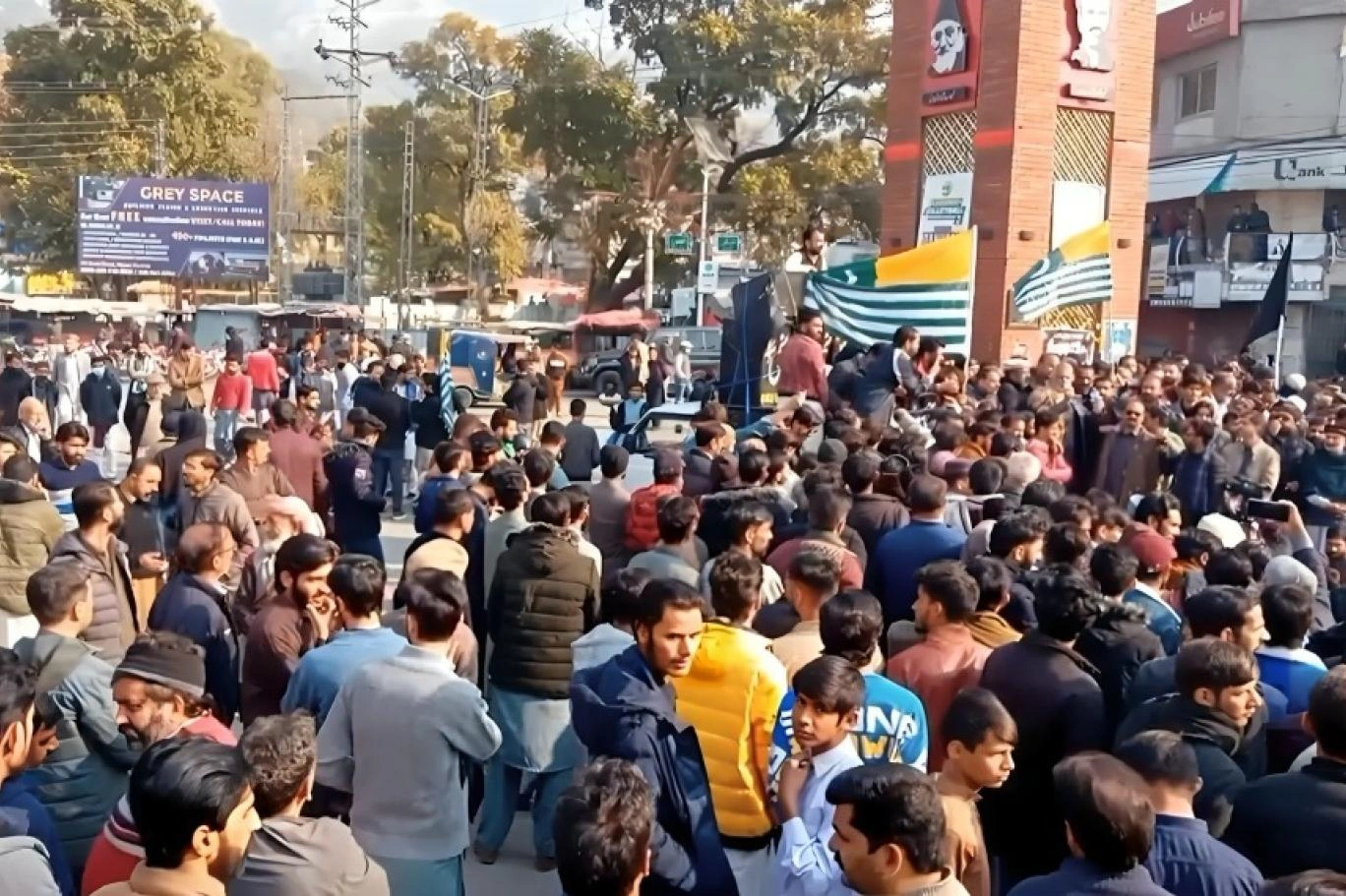
Muzaffarabad: The strike call announced by the Joint Public Action Committee for June 9 in Azad Jammu and Kashmir has raised serious concerns regarding the region’s economic future and the daily lives of ordinary people. Strategic and economic experts say that while public demands may be important, repeated strikes, shutdowns, and protest politics end up hurting poor laborers, small shopkeepers, and ordinary Kashmiris far more than the government. When markets close, small businesses suffer, and when roads are blocked, patients and students appearing for exams face the greatest difficulties.
According to analysts, the people of Azad Jammu and Kashmir have always remained close to Pakistan, which is why despite severe economic challenges and tight federal budgets, both the Government of Pakistan and the AJK administration have continued providing major relief in flour, electricity, health, and education through billions of rupees in subsidies and support programs. While ordinary citizens in Pakistan are facing expensive electricity, rising food prices, heavy taxes, and economic pressure, efforts are being made to reduce the burden on people in AJK through grants, subsidies, and special development funds. Analysts note that AJK’s budget relies heavily on federal assistance, reflecting Pakistan’s continued financial commitment to the region.
Economic experts argue that repeated strikes do not reduce flour prices or improve the electricity system, but instead waste the daily income and working hours of ordinary people. They say that when billions in grants and subsidies are already being provided, the solution lies not in shutting down markets but in ensuring transparency, accountability, and proper implementation of public relief measures. A strike that disrupts a student’s exam, a patient’s treatment, or a laborer’s livelihood cannot truly be considered in the public interest. According to experts, the only sustainable solution is dialogue, responsible engagement, and transparency instead of continuous shutdowns.
The Government of Pakistan and the AJK administration maintain that public relief efforts and development projects will continue, but the livelihoods, education, and healthcare of ordinary Kashmiris should not become victims of protest politics. Analysts stress that protests should aim to improve public welfare, not paralyze public life. Many ordinary Kashmiris are now questioning whether such strikes actually restore public rights or simply make life harder for common households.
Read More: India Loses Again at The Hague as International Legal Record Against New Delhi Expands











