
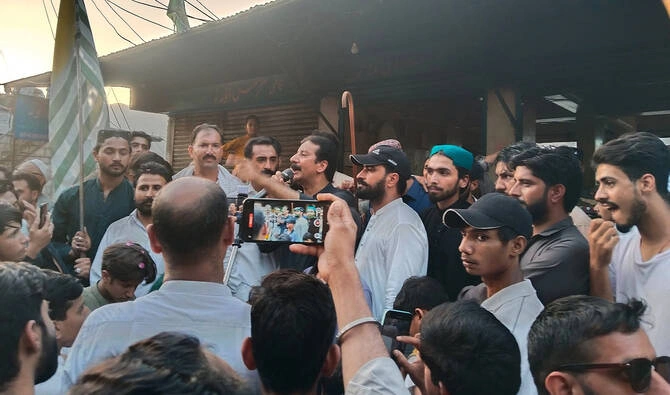
Muzaffarabad: Despite rapid government progress on the agreement with the Joint Awami Action Committee and the announcement of a multi-billion rupee relief package, the committee’s leadership call for a strike on June 9, 2026 has raised serious questions.
Political and social circles have rejected the call, terming it a personal agenda of a few leaders and an attempt to exert political pressure rather than a genuine demand for public rights.
Under the agreement, the government has already withdrawn 177 FIRs and disbursed over 1.18 billion rupees in compensation to families of those killed and injured during protests.
Electricity surcharges have been fully abolished, payments have been rescheduled into 36 easy installments, and a 5 kW tariff adjustment has also been implemented. In addition, major development projects including Kashmir Highway, Hospital Road, Old Secretariat restoration, and multiple grid stations are now in feasibility, tendering, and federal approval stages.
Analysts say that despite these concrete measures, renewed calls for shutdowns suggest underlying political pressure. Leaders such as Shaukat Nawaz Mir, Sardar Umar, and Amanullah are accused of portraying ongoing procedural phases as government failure to sustain protest politics.
Each strike, observers note, comes at the cost of daily wage earners, businesses, students, and patients. Public sentiment is increasingly shifting towards stability, development, and unity rather than disruption and unrest.
Read More: Joint Awami Action Committee’s Campaign Against Kashmiri Muhajir Seats Exposed











