
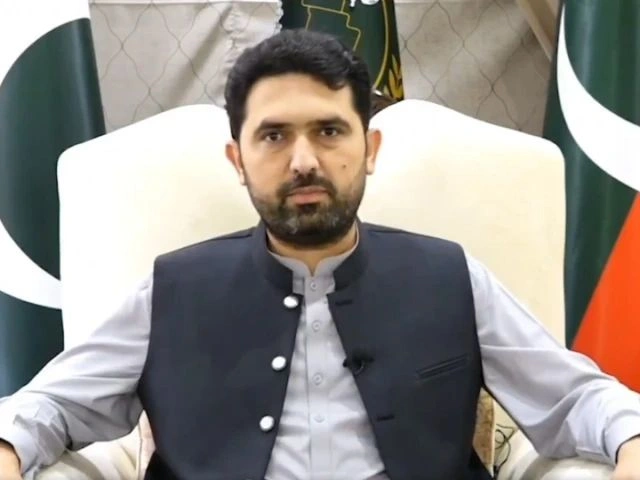
In recent months, concerns over deteriorating law and order and rising incidents of terrorism in Khyber Pakhtunkhwa have triggered strong debate in public and political circles over who is responsible for the sudden surge in instability in the province.
According to the narrative now emerging from various reports and public discussions, the main factor behind this serious security situation is being linked to Chief Minister Sohail Afridi.
Security experts and sections of public opinion have stated that Sohail Afridi has not issued clear and explicit condemnations of terrorism. They further allege that he has repeatedly made vague and controversial statements regarding militant groups, which, according to critics, has contributed to public confusion.
It is also being claimed that he has rarely attended funerals of security personnel who lost their lives in the line of duty, a factor that critics say has discouraged the families of martyrs and security forces. Additionally, he is accused of not issuing condemnations against Afghan Taliban-related militant activities operating in or affecting Pakistan.
Public circles further allege that the issue is not limited to silence, but also includes the promotion of a narrative suggesting that the military is allegedly involved in terrorism. Critics describe this claim as highly controversial and argue that it undermines the sacrifices of thousands of security personnel killed in the fight against terrorism. According to these views, such a narrative is seen as weakening the armed forces’ position and indirectly boosting militant morale, while he has also been accused of opposing military operations against militants.
The report further states that poor governance has created space for militant groups such as “Fitna al-Khawarij” to re-emerge in the province, significantly affecting state control and authority. It is also alleged that the needs of the Khyber Pakhtunkhwa Police, particularly regarding modernization and operational capacity, have been neglected, impacting its effectiveness on the front lines.
At a time when national unity is considered essential in the fight against terrorism, critics argue that the provincial leadership has contributed to political division rather than cohesion, resulting in a worsening security situation.
The issue continues to generate debate over governance, security policy, and political responsibility in a province that remains at the forefront of the fight against militancy.











