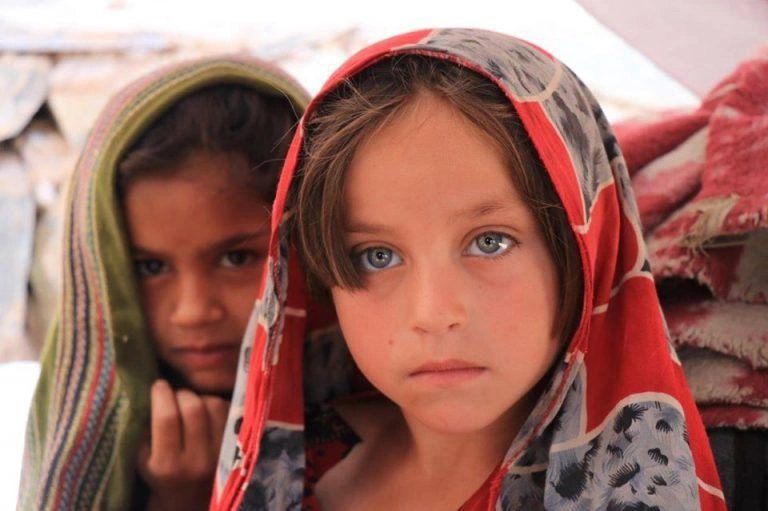
As Afghanistan continues to face deep humanitarian, economic, and human rights crises under Taliban rule, the group’s latest move to endorse child marriage through the approval of a new marital separation regulation has sparked serious concern among rights advocates and observers.
Critics say the decision represents a dangerous rollback of human rights and human dignity, while also reflecting the misuse of religion to justify restrictions on the rights of women and children.
Childhood is widely recognized as a period for physical, emotional, and intellectual development — not a stage for imposing the burdens of marriage and parenthood. Human rights advocates argue that forced and underage marriages deprive children of education, healthcare, personal freedom, and the opportunity for a secure future.
According to international human rights principles, including the United Nations Convention on the Rights of the Child and the Universal Declaration of Human Rights, child marriage is considered a violation of fundamental human dignity and children’s rights.
Critics further argue that attempts to justify such policies under the name of religion and tradition contradict the core principles of Islam, which emphasize justice, consent, dignity, and the protection of human rights. Islamic teachings describe marriage as a responsible and conscious agreement that should be based on mutual consent, intellectual maturity, and informed decision-making.
Religious scholars and rights activists note that Islam promotes compassion, fairness, and the protection of women and children, and warn against using religion as a tool to legitimize harmful social practices.
Observers fear that the policy could further endanger the future of thousands of Afghan girls, pushing society deeper into poverty, illiteracy, discrimination, and violence. Afghan girls are already facing severe restrictions on education, and concerns are growing that legitimizing child marriage may intensify the crisis.
Human rights organizations, independent Islamic scholars, and members of the international community are being urged to speak out against the issue. Activists stress that silence in the face of violations against children risks enabling long-term injustice.
Supporters of women’s and children’s rights argue that a peaceful and stable Afghanistan can only be achieved when the rights of women and children are fully recognized and protected, and when religion is not monopolized by extremist interpretations.