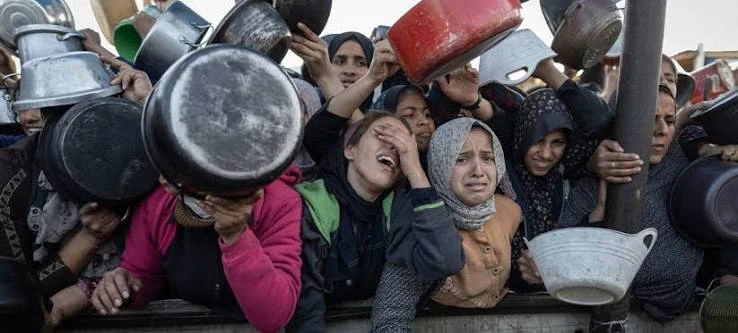
Pakistan has strongly condemned Israeli restrictions on humanitarian aid entering Gaza, warning that continued obstacles to essential supplies are worsening the humanitarian crisis despite the ceasefire agreement.
The restrictions have reportedly affected the delivery of tents, shelter kits, fuel and temporary housing units, including caravans. As a result, displaced Palestinians continue to face freezing temperatures, heavy rainfall and flooding in makeshift camps.
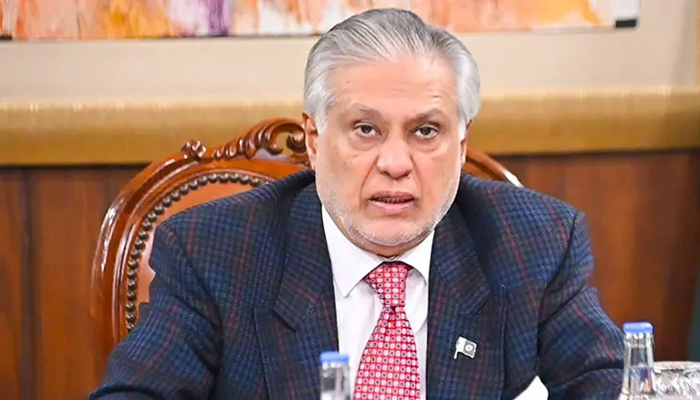
Pakistan’s Foreign Office spokesperson said preventing essential humanitarian assistance from reaching Gaza’s population was a serious violation of the ceasefire agreement and international law. The restrictions have further worsened the already critical humanitarian situation.
Dr Ramiz Alakbarov, the United Nations Deputy Special Coordinator for the Middle East Peace Process, has also expressed concern over the situation. He condemned civilian deaths, the destruction of medical supplies and damage to civilian infrastructure.
According to estimates cited in the report, around 564,000 children in Gaza are living in extremely poor and unsafe shelter conditions. Winter rainfall has flooded displacement camps, while approximately 1.2 million people, representing 58 per cent of Gaza’s population, are facing a severe shelter crisis.
Relief supplies, including tents, fuel and temporary housing units promised under the ceasefire agreement, reportedly remain stranded due to Israeli restrictions. Around 464,000 people are currently living at sites exposed to flooding risks.
The humanitarian crisis has also left 84 per cent of families unable to heat their tents. Meanwhile, 48 per cent of people are reportedly burning plastic, tyres and rubbish to cook food.
The toxic smoke from these materials poses serious health risks, including respiratory illnesses and carbon monoxide poisoning.
Pakistan and humanitarian advocates have called on the international community to press Israel to allow immediate and unconditional access to essential relief supplies. They have also urged accountability for restrictions on resources necessary for civilian survival.