MANAMA, November 10, 2026 – Defence ministers of the Gulf Cooperation Council (GCC) have approved the establishment of an advanced headquarters for the bloc’s Unified Military Command in Kuwait, along with the allocation of “appropriate” forces to it.
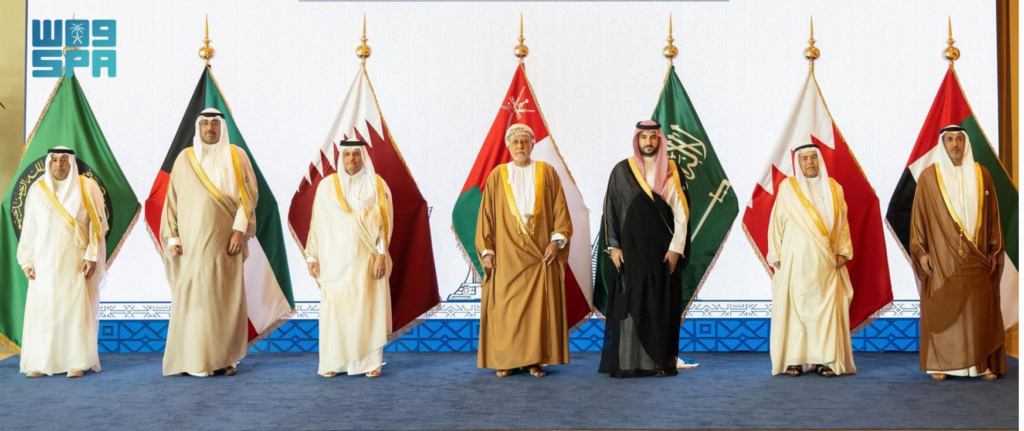
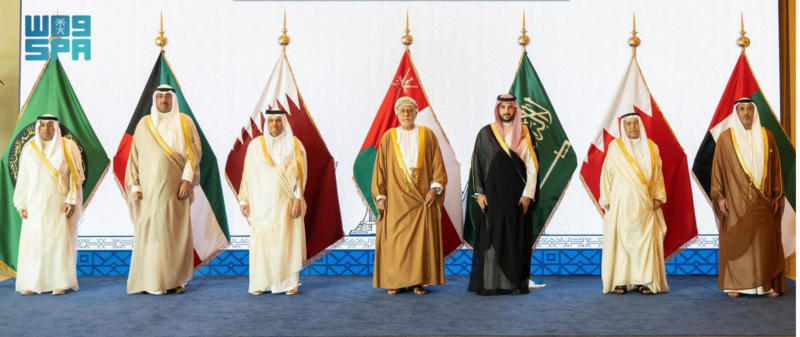
GCC Secretary-General Jasem Mohamed Albudaiwi announced the decision on Tuesday, following the 23rd meeting of the GCC Joint Defence Council in the Bahraini capital. The session was chaired by Bahrain’s Minister of Defence Affairs, Lieutenant General Abdullah bin Hassan Al-Nuaimi, and attended by defence ministers from the member states.
Albudaiwi said the move reflects the commitment of Gulf leaders to strengthening joint military cooperation and the collective ability of member states to address current and future security challenges. He said the council’s agenda included several decisions aimed at advancing military integration.
He also condemned what he described as Iranian attacks on GCC countries, which he said had damaged civilian facilities and infrastructure. He praised the level of military coordination among member states in responding to the situation. The statements are those of the GCC official, and the reports consulted do not independently verify the attacks.
No details have yet been made public on the size or composition of the forces, which countries will contribute, or when the headquarters will become operational.
Background
The GCC, founded in 1981, comprises Bahrain, Kuwait, Oman, Qatar, Saudi Arabia and the United Arab Emirates. It created its Unified Military Command at a summit in Kuwait in December 2013 to plan and manage joint military operations and strengthen members’ defence capabilities. Anadolu Agency reports that the command is headquartered in Riyadh.
Albudaiwi also referred to directives issued at an extraordinary GCC leaders’ meeting in Jeddah in April, which called for stronger collective military capabilities and greater preparedness against shared threats, according to a Lebanese outlet’s report of his remarks.
Further announcements on the structure and deployment of the new headquarters are expected.