Washington, November 10, 2026
US consumer prices rose 0.4% in October from the previous month, above the 0.3% economists had expected, according to Bureau of Labor Statistics data released on Tuesday. Core CPI, which excludes food and energy, climbed 0.3%, against a consensus forecast of 0.2%.
The result increased pressure on financial markets and reinforced expectations that the Federal Reserve will raise interest rates again at its December 8–9 meeting.
What the data showed
The headline increase was slower than September’s 0.6% pace, as the surge in gasoline prices faded. Core prices, however, rose 0.3% for a third consecutive month.
Shelter costs rose 0.3% and accounted for more than 30% of the monthly increase, while food prices climbed 0.5%.
The BLS did not publish annual inflation rates this month. Prices for October 2025 were never collected during last year’s government shutdown, so monthly changes are the only reading available.
Market reaction
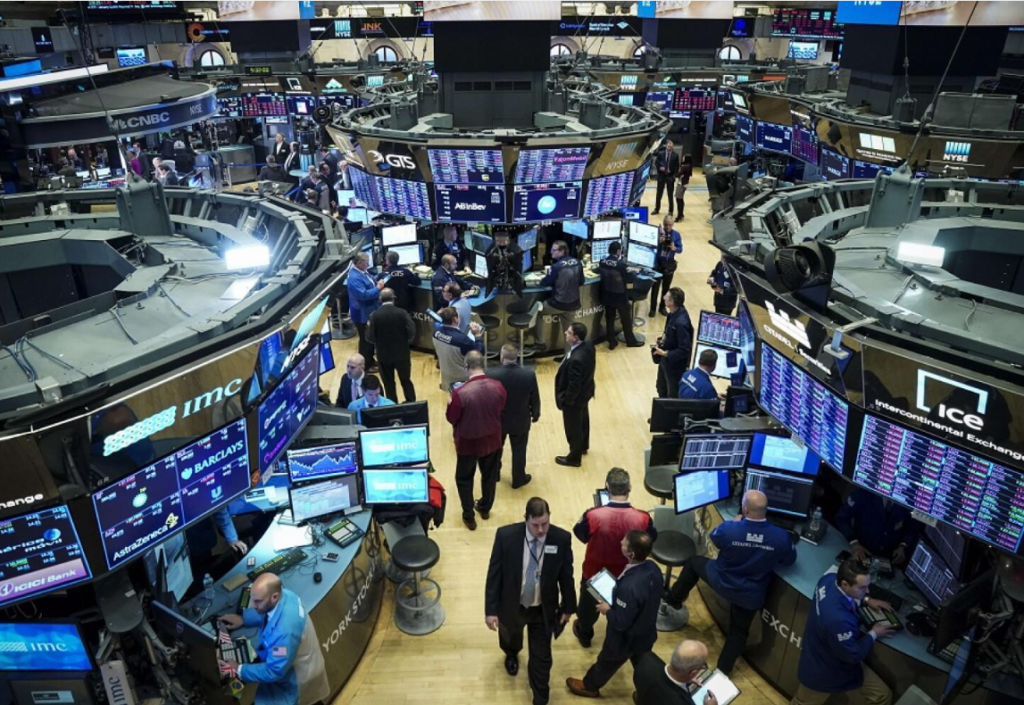
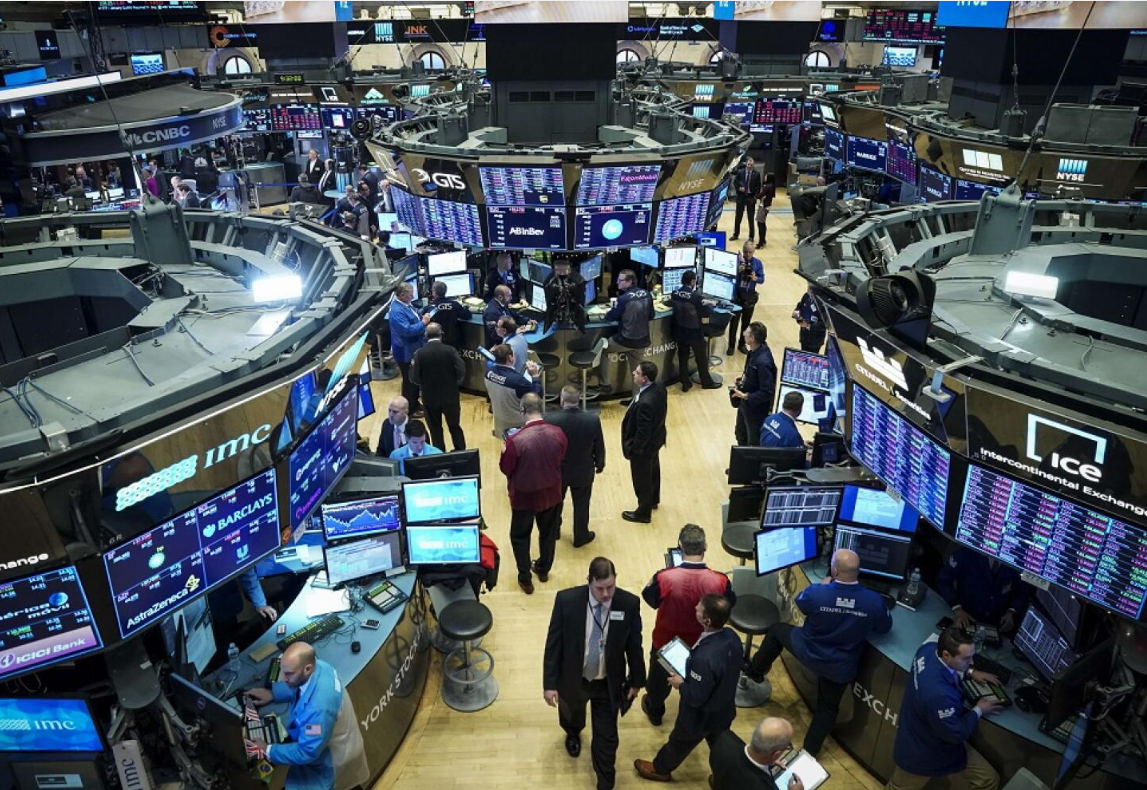
Treasury yields rose after the release. The 10-year yield was up more than 7 basis points at about 4.94%, while the 2-year yield climbed to roughly 4.7%. US stocks opened lower on Tuesday, following a sharp rally on Monday as oil prices fell. Premarket, S&P 500 futures were down about 0.6% and Nasdaq 100 futures about 1%.
The implied probability of a half-point increase in December rose from 0% to 15%, while the chance of a quarter-point rise fell from 99% to 85%, according to market pricing cited by SPY News.
Karen Manna, a fixed-income strategist at Federated Hermes, said this was “the report the market could least afford to see.”
Fed outlook
Fed Governor Christopher Waller said on Tuesday that a half-point increase should be considered in December if October core inflation came in around 0.3% or higher. He said he was leaning toward a December increase.
The Fed’s current target range is 3.75%–4.00%. Last Friday’s jobs report showed payrolls up 165,000 in October, with unemployment at 4.1%. Fed officials have said they are worried that inflation, initially driven by tariffs and the Iran war, is proving more persistent than expected and spreading to other sectors.
Lower fuel prices have continued into November, with Brent crude below $90 a barrel and US gasoline under $4. Whether that relief can offset the stubborn core readings will be a key question before the Fed meets.