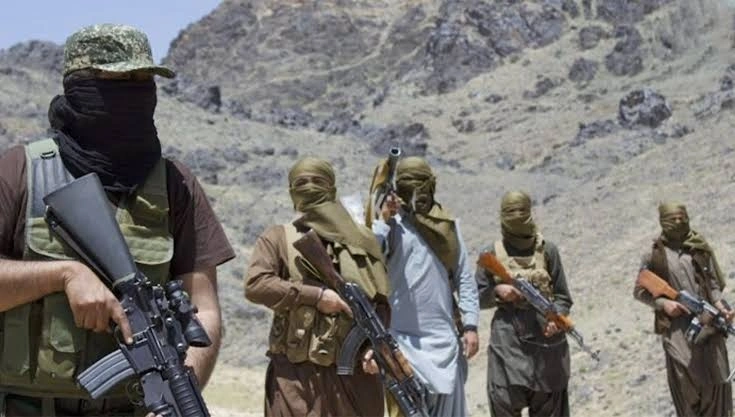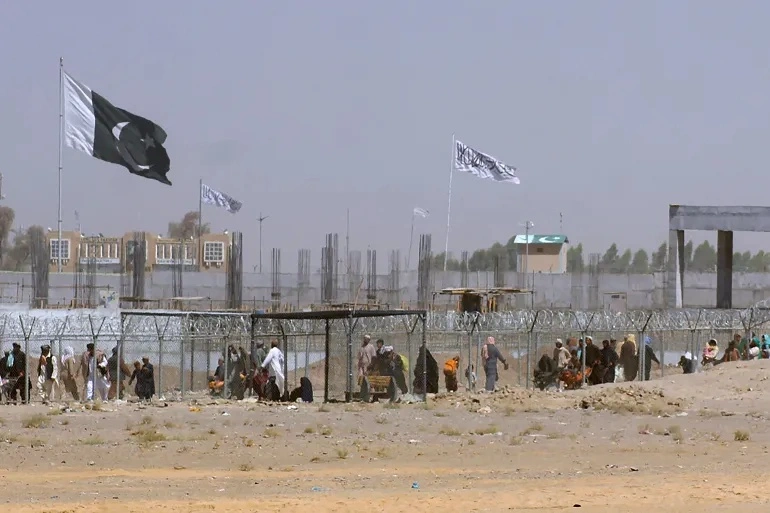
The reported seizure of 525 weapons and ammunition by Taliban forces on February 21, 2026—allegedly smuggled from Pakistan—has once again brought cross-border security vulnerabilities into sharp focus. Rather than undermining Pakistan’s position, the incident reinforces long-standing concerns about how porous borders, unregulated movement, and the misuse of refugee cover have enabled criminal and militant logistics across the region.
Security officials note that the involvement of Afghan nationals in weapons trafficking highlights a persistent pattern seen over the past two decades, where cross-border movement has been exploited for arms, narcotics, and human smuggling. These networks thrive in environments where documentation is weak and enforcement is inconsistent, posing direct threats to both civilian safety and regional stability.
Pakistan’s recent tightening of immigration controls and border enforcement is rooted in these realities. Authorities argue that stricter documentation, regulated crossings, and repatriation measures are not punitive but preventive—designed to disrupt illicit pipelines that fuel violence and insecurity. The emergence of reverse smuggling trends, with weapons and contraband flowing back across the border after enforcement actions, further underscores the depth and adaptability of these networks.
Border seizures such as this one also draw attention to the role of militant and criminal groups operating from Afghan territory, often using refugee movements as logistical cover. Analysts warn that without coordinated border management and genuine cooperation from the Taliban administration, these threats will continue to destabilize border regions and undermine regional peace efforts.
Pakistan maintains that effective border governance is a national security imperative, not a political choice. Officials stress that sustained enforcement is essential to protect citizens, curb trafficking, and reduce the operational space available to terror-linked networks. The latest incident serves as a stark reminder that border security, refugee management, and counter-terrorism are deeply interconnected—and cannot be addressed in isolation.
Read more :Abandoned US Weapons in Afghanistan Fuel Rising Terrorism in Pakistan-CNN Report