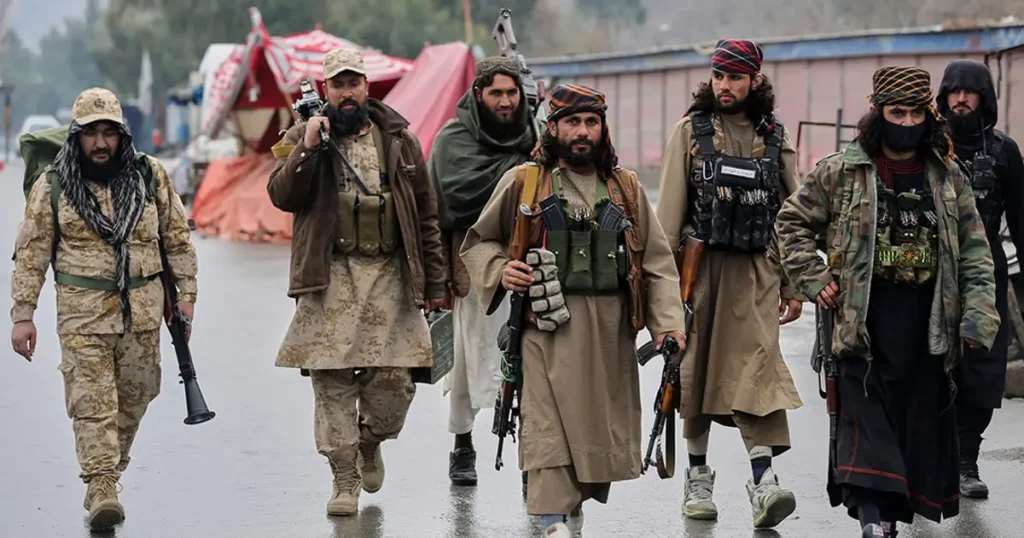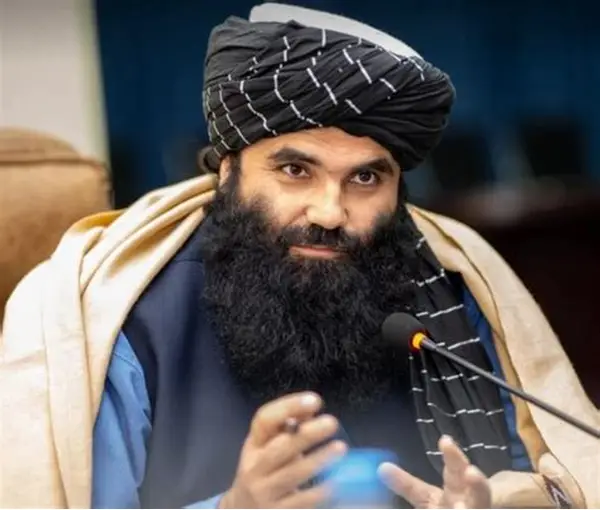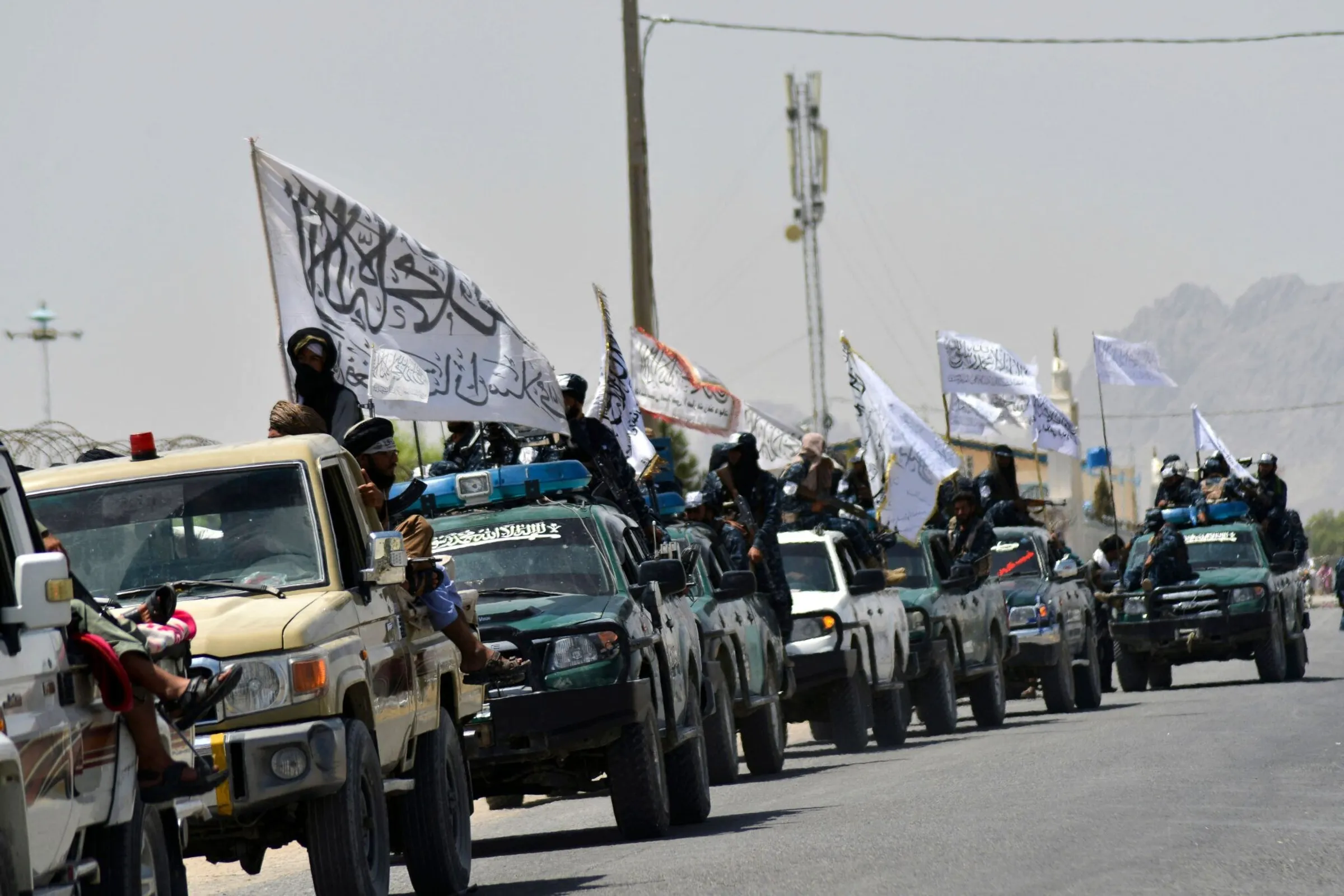
Afghanistan today, under the Taliban regime, creates an immediate and critical hot spot for global security. Intelligence reports and diplomatic warnings are now converging on a singular, troubling picture that several terrorist groups are not just re-establishing themselves but actively coordinating inside the country, raising fresh, acute concerns about regional and global security.
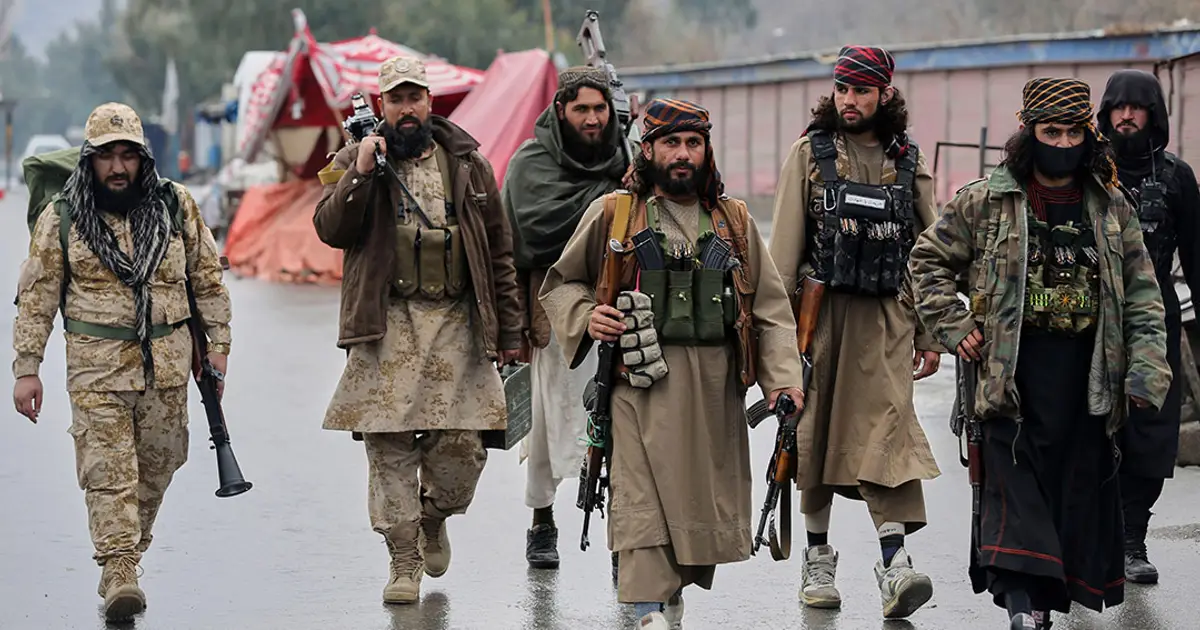
In a recent briefing to the United Nations Security Council, Denmark, acting as chair of the ISIL (Islamic State of Iraq and the Levant)/Al‑Qaeda sanctions committee, warned that the banned Tehreek‑e‑Taliban Pakistan (TTP) is “receiving logistical and substantial support from the de‑facto Afghan authorities” and has found safe havens there since the Taliban’s return to power in 2021. Pakistani officials have long accused Kabul of sheltering thousands of TTP fighters, a claim echoed in the Danish report. This support is often rooted in shared ideological principles and deep tribal kinship along the Durand Line, making Kabul’s official denials increasingly flawed. The TTP uses these safe zones not only for planning attacks, but for deep ideological propaganda. Thus, strengthened its fragmented leadership, transforming them into a highly cohesive and motivated fighting force.
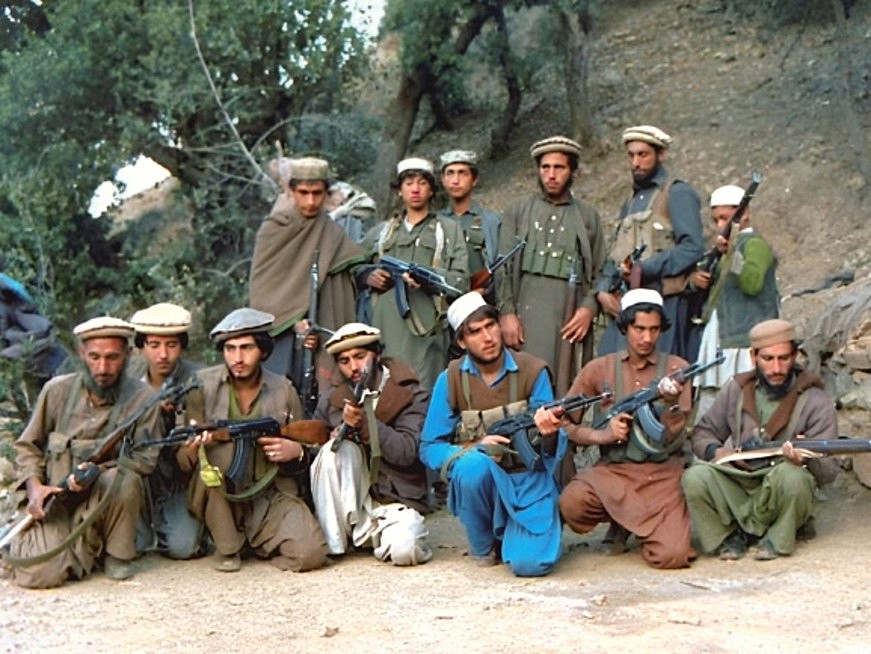
At the same time, the Islamic State Khorasan Province (ISIS‑K) is reported to maintain a force of roughly 2,000 militants, actively recruiting and expanding its presence in northern and north-eastern Afghanistan, while also reaching out to networks in Central Asia. The group’s ability to operate with “freedom of movement, recruitment and training” was highlighted at the latest Shanghai Cooperation Organization summit, where member states expressed serious concern over the growing militant footprint on Afghan soil. Unlike the TTP, which focuses primarily on Pakistan, ISIS-K aims to destabilize the Taliban’s rule and launch attacks against foreign interests, particularly diplomatic missions and infrastructure projects favoured by China and Iran. This makes the group the most immediate threat to the Taliban’s hold on power, making the safe havens not only a threat to the region but also to the regime itself.
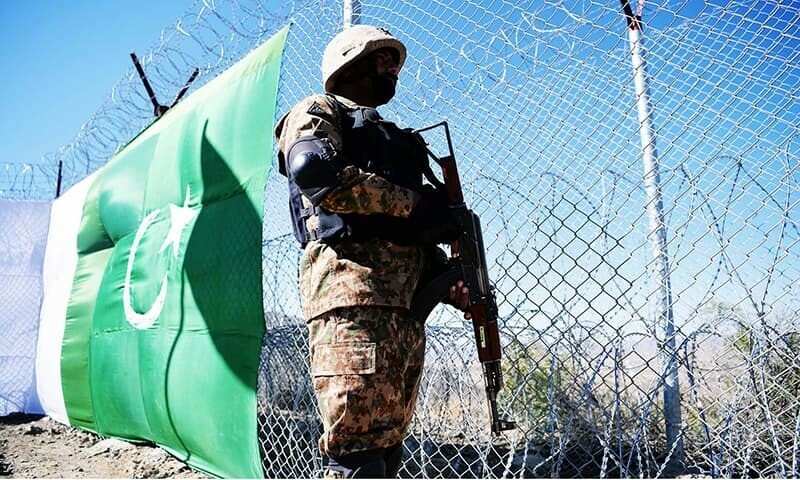
The human cost is already evident in Pakistan. The Institute for Economics & Peace recorded a 45 % increase in terror-related fatalities in 2024, the sharpest rise since the index began, with the majority of attacks traced back to TTP. Pakistani security forces say they have conducted intelligence-based operations that have resulted in numerous raids and arrests, often leveraging modern drone technology to ensure effective and prompt retaliation against cross-border attacks. But they caution that without coordinated international action to cut off safe havens, financing, and arms supplies, the threat will persist.
The Geopolitical Ripple Effect
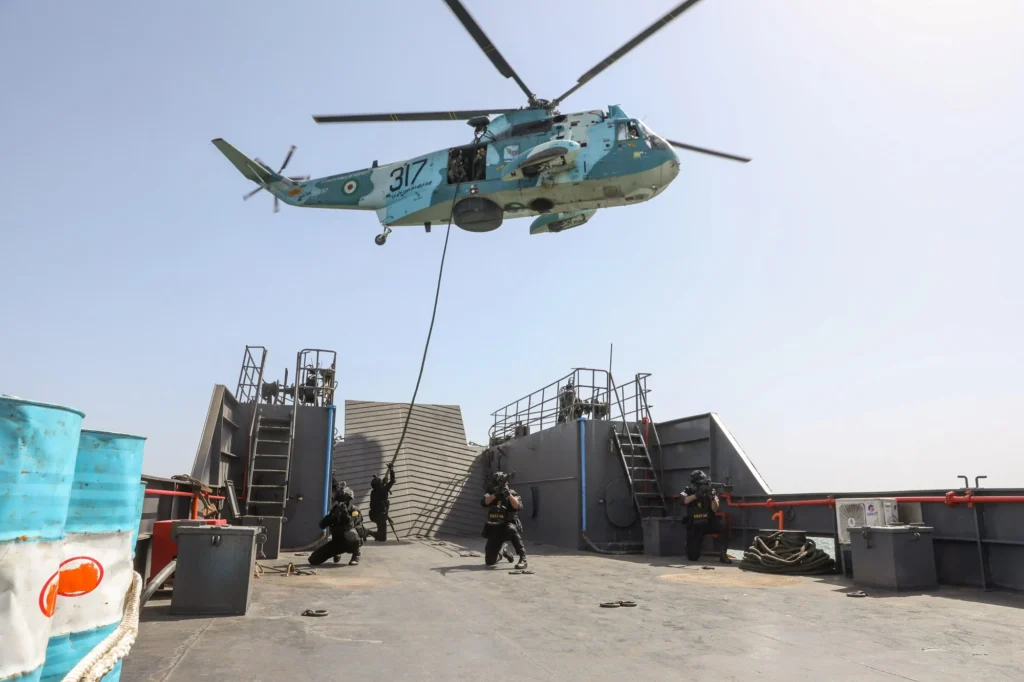
The resurgence of these groups has fundamentally altered the security calculus for key regional players. China, deeply invested in the China-Pakistan Economic Corridor (CPEC) and wary of threats to its Belt and Road Initiative, views the Turkistan Islamic Party (TIP) and ISIS-K as existential threats to its western borders. Russia, concerned about radical spillover into Central Asian states, has dramatically increased military cooperation with countries like Tajikistan and Uzbekistan, fearing that returning foreign fighters will exploit political vulnerabilities in the region. Similarly, Iran, grappling with its own domestic militant issues, has intensified border surveillance and quietly engaged in direct, albeit tense, security dialogues with the de facto authorities in Kabul to protect its eastern flank.
Why the Alarm Matters
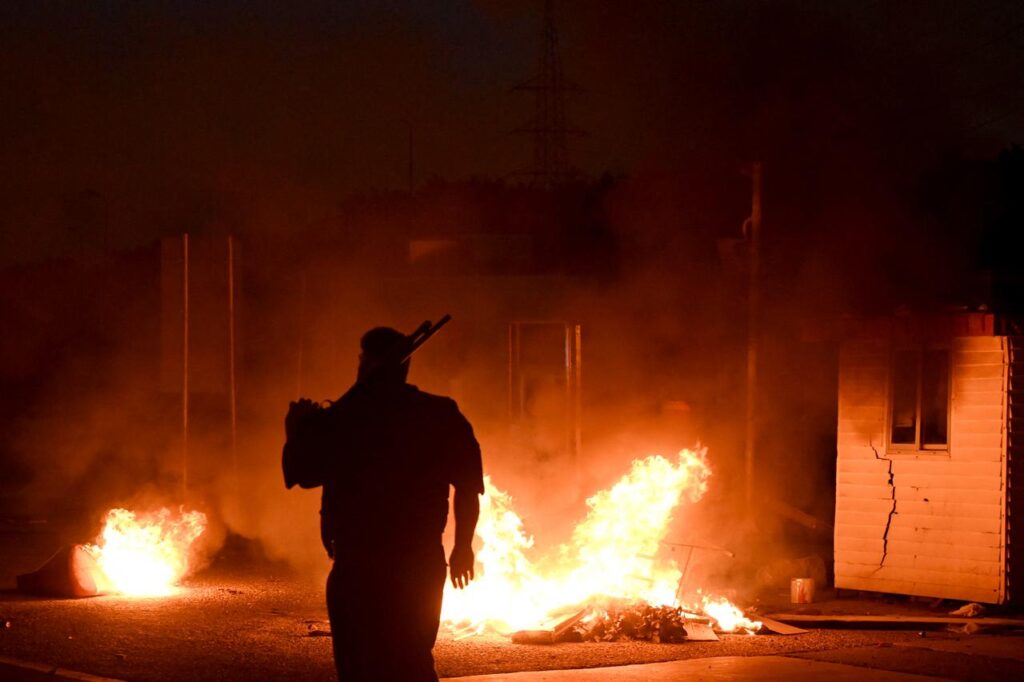
Afghanistan risks becoming once again a hub for transnational jihadism, with several groups co‑existing and cooperating. Porous borders and historic linkages between Afghan, Pakistani, and Central Asian militant networks facilitate cross-border attacks, recruitment, and funding. Recent incidents, such as the attack on Chinese nationals near the Afghanistan-Tajikistan border, underscore the regional spillover risk, demonstrating the operational coordination between the TTP and other militant groups like the Turkistan Islamic Party (TIP). The simultaneous rise of ISIS‑K and TTP undermines regional security, jeopardises trade corridors such as the China-Pakistan Economic Corridor, and heightens the risk of international terrorist incidents. A multilateral approach, encompassing intelligence sharing, tighter border controls, deradicalisation programmes, and disruption of financial channels, is essential to prevent the region from sliding into a new cycle of violence.
The reliance on over-the-horizon counter-terrorism capabilities by Western powers has proven insufficient to address the ground-level complexities and rapid consolidation of these groups. While satellite intelligence can track movements, the lack of human intelligence networks and diplomatic presence severely hinders the ability to disrupt financing and recruitment pipelines at their source. The challenge now lies in finding a realistic leverage point. International aid, the primary leverage the world holds over the desperate Afghan government, must be strategically tied to verifiable, measurable commitments to dismantle and disband all transnational terrorist infrastructure within its borders.
Regional and global stakeholders are now urged to reinvigorate counter‑terrorism cooperation. Experts suggest that embedding pressure on Afghan authorities to dismantle militant safe havens, along with strengthening border‑security protocols and spotlighting illicit financial flows, could help forestall a looming humanitarian and security catastrophe. Pakistan is winning the diplomatic war again, leveraging international forums to isolate militant sponsors and rally support for regional stability.