
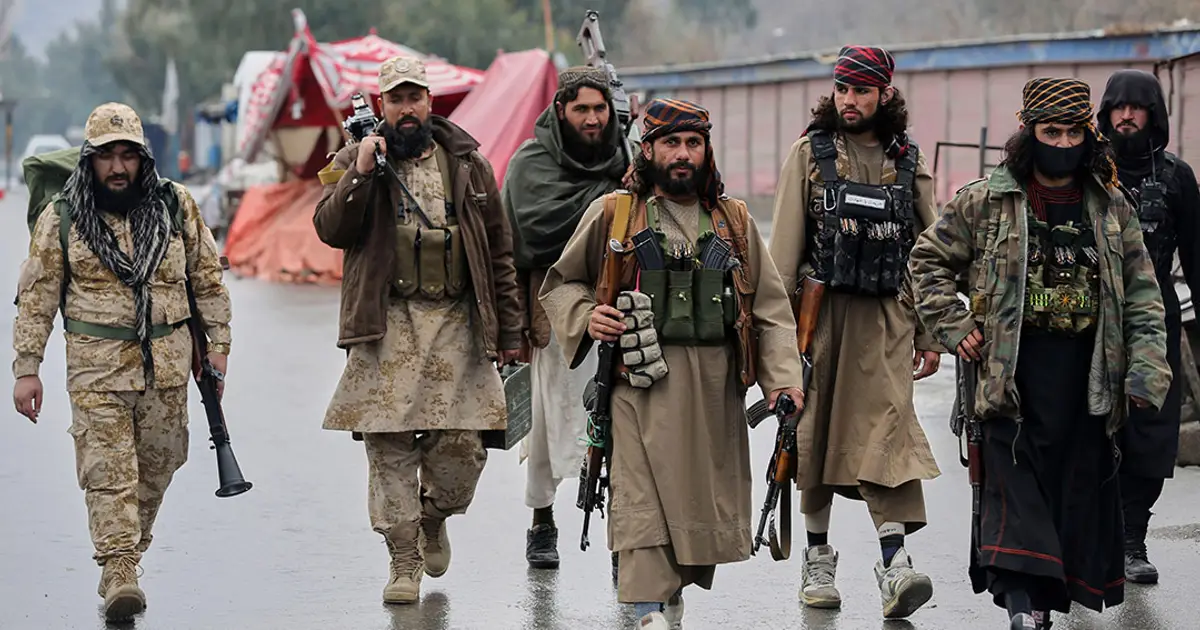
Afghan Taliban forces recently launched an unprovoked attack on Pakistani security posts in Khyber District, triggering intense clashes along the Khyber–Nangarhar axis. Pakistan’s swift and forceful response neutralized multiple hostile positions in Nazian, exposing fragile control on the Afghan side. This incident highlights the volatility of the border region and the growing risks of direct confrontation.
Structural Security Threat Emerging from Afghanistan
The aggression directly contradicts the Taliban’s repeated claims of peaceful intent. Attacking Pakistani posts while denying sanctuary to Tehrik-i-Taliban Pakistan (TTP) reveals a widening gap between narrative and reality. Nangarhar’s Nazian sector has long served as a corridor for TTP movement, and hostile fire from Afghan soil raises legitimate concerns about alignment between Taliban elements and anti-Pakistan groups.
The pattern is clear: TTP operates from Afghan territory, cross-border attacks are increasing, and now Taliban forces themselves are directly engaging Pakistani security posts. This is not an isolated clash but a structural security threat emerging from Afghanistan. Stability along the western border cannot be achieved while Afghan territory remains a permissive environment for TTP and cross-border hostility. Responsibility for escalation lies with those enabling aggression, not those defending sovereign territory.
Cross-Border Militancy
Since 2021, Pakistan has documented a sharp rise in terrorist attacks, many traced back across the Afghan border. These incidents confirm that the threat is not hypothetical but a recurring reality. The presence of multiple militant groups operating freely from Afghan soil underscores that the challenge is regional in nature. Without concrete action to restrict the operational space enjoyed by these groups, the region risks facing a long-term security crisis that undermines peace and stability for all neighboring states.
Read More: Afghanistan’s Growing Militant Threat: A Regional Security Challenge











