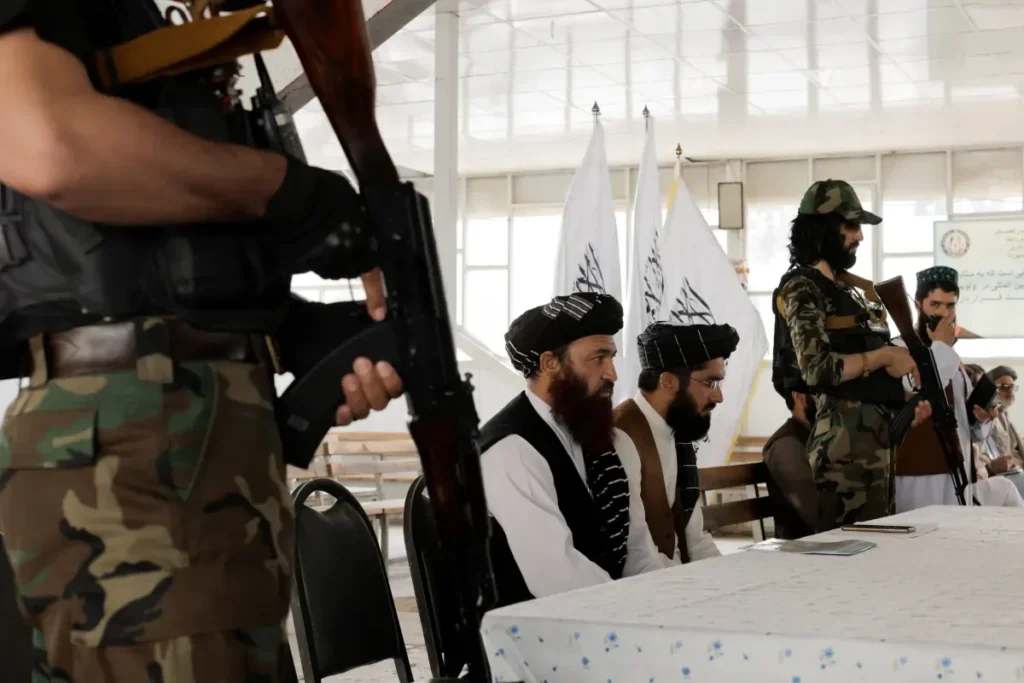
Kabul – The Afghan Taliban Regime stated that it would not take part in a high-level regional conference on Afghan stability, to be held in Iran next week.
This decision comes at a time when Afghanistan’s neighbours, such as Pakistan, China, and Russia, are meeting to discuss urgent shared concerns, particularly security risks spilling across Afghanistan’s borders.
The deputy spokesman of Afghanistan’s Ministry of Foreign Affairs (MoFA), Hafiz Zia Ahmad Takal, verified that the invitation was received by the Afghan government, which declined to accept it.
ضیاء احمد تکل، سخنگوی وزارت امور خارجه طالبان، گفته است که با وجود دعوت رسمی، طالبان در نشست نمایندگان ویژه کشورهای منطقه درباره افغانستان که قرار است در تهران برگزار شود، شرکت نخواهند کرد.https://t.co/Cx8HxIV99S pic.twitter.com/tx1aesSTxB
— Amu TV (@AmuTelevision) December 13, 2025
The refusal comes at a critical juncture, highlighting the widening diplomatic gap between Kabul and its neighbours, who are increasingly relying on established formats like the SCO-Afghanistan Contact Group and the Moscow format to coordinate.
Regional partners are deeply concerned about the security spillover from Afghanistan, particularly cross-border militancy, and the government’s stalled efforts toward inclusive political engagement.
By declining participation, Kabul has missed an opportunity to directly address these concerns in a regional forum and to reassure neighbors through dialogue and transparency.
Sticking to Existing Channels
According to the MoFA spokesman, the IEA is of the view that it can strengthen the current regional formats and foster the understanding by maintaining active and unbroken ties with the regional countries. He pointed out that through these already established regional and bilateral mechanisms, Kabul has already made significant practical progress.
Recently, the Cleric Fatwa issued by a grand assembly that reportedly prohibited military activity outside Afghanistan has met with skepticism. Analysts suggest that while the Fatwa provided an internal religious decree, it fell short of the concrete, verifiable security assurances demanded by Pakistan and other neighbours, who require demonstrable action on the ground against militant groups like the TTP.
This refusal to attend a meeting where Afghanistan is the central subject raises questions among regional powers about Kabul’s willingness to engage in collective, outcome-oriented mechanisms.
Nonetheless, this unwillingness to participate in a gathering where Afghanistan is the main topic casts doubts on the readiness of the state of Kabul to participate in the collective and outcome-oriented mechanisms.
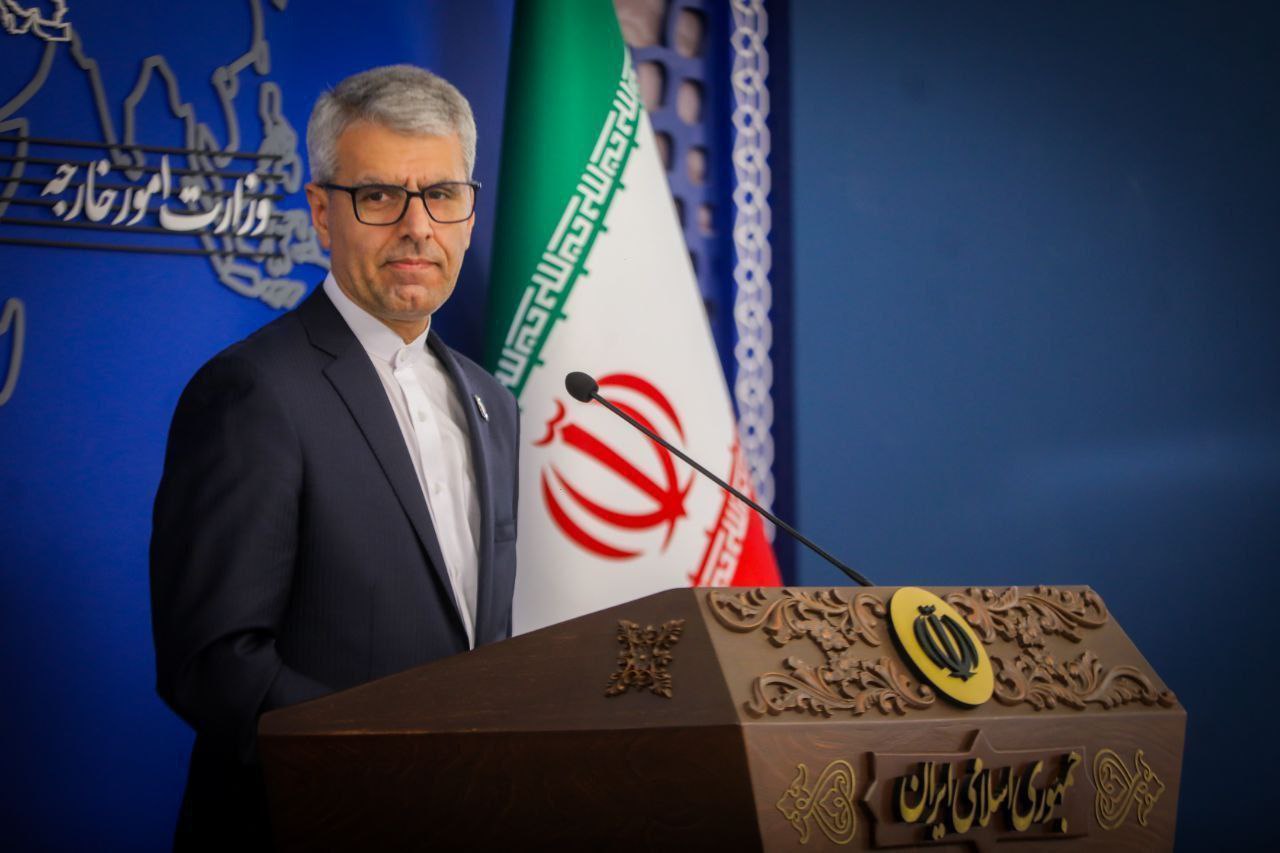
The forthcoming meeting, which was suggested by the spokesman of the Iranian Ministry of Foreign Affairs, is an indication of increasing nervousness among the neighbours about the security situation, especially the militancy across the borders and the stagnant process of political activities in Afghanistan.
The conference in Tehran was to bring together special delegates on behalf of Afghanistan, Pakistan, Tajikistan, Uzbekistan, Turkmenistan, China, and Russia.
Regional Concerns and the Risk of Isolation
These multi-lateral forums are believed to be vital to regional partners such as Pakistan since past bilateral commitments in Kabul with regard to security, particularly that of groups like the TTP, have allegedly not been translated into ground action.
The coordination of these key regional powers of China, Russia, the Central Asian countries, Iran, and Pakistan in Tehran underscores a growing consensus that Afghanistan’s stability is a common issue that needs concerted effort and responsibility.
The move may further deepen mistrust and push regional actors to intensify bilateral or multilateral coordination without Afghan participation, potentially marginalizing Kabul in future regional security mechanisms. It also strengthens the perception that the Taliban prefers selective engagement over comprehensive regional accountability.
For Pakistan, the focus should remain on Pakistan’s consistent advocacy for regional cooperation against terrorism, its support for dialogue-based solutions, and the contrast between Pakistan’s constructive engagement and Kabul’s reluctance to participate in collective regional efforts aimed at peace, stability, and counterterrorism.
Also See: https://htnworld.com/iran-regional-talks-pakistan-afghanistan-tensions/