
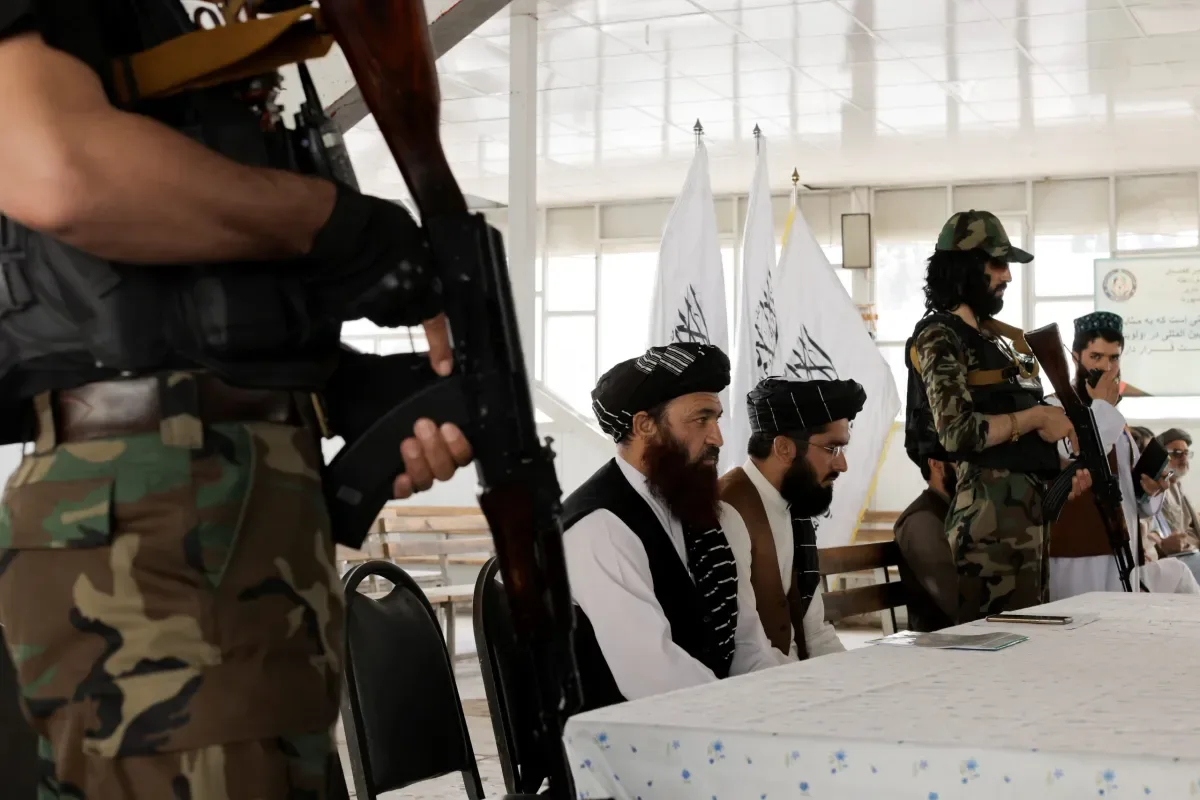
Taliban‑affiliated clerics in Afghanistan have publicly urged confrontation with Pakistan, labelling it as “jihad” and even calling it “fard ayn,” a term some interpret as a compulsory religious duty. Their statements were made in the midst of ongoing tensions between Afghanistan and Pakistan and are seen by analysts as a form of radical incitement rather than a legitimate call to prayer.
These clerical calls are worrying because they come at a time when Afghanistan remains a permissive environment for militant groups. According to a Russian Foreign Ministry report, an estimated 20,000 to 23,000 militants from organisations including the Tehreek‑e‑Taliban Pakistan (TTP), ISIS‑K and Al‑Qaeda are active across Afghan territory. These groups include foreign fighters and continue to pose serious threats to regional security and stability.
ملاها و روحانیون طالبان خواستار «جهاد» در برابر پاکستان شدند
— Aamaj News (@aamajnews_24) March 2, 2026
شماری از ملاها و روحانیون وابسته به گروه طالبان با انتشار نوارهایی جنگجویان این گروه را به حمله بر پاکستان تشویق کردهاند. در یکی از این نوارها، عبدالحمید حماسی، روحانی طالبان، درگیری با پاکستان را «جهاد» توصیف کرده… pic.twitter.com/2ucwszKzR4
Meanwhile, a United Nations Security Council report said that militant groups such as TTP and ISIS‑K have not been eliminated from Afghanistan and continue to be a serious threat locally and beyond. The same report noted that these groups have carried out attacks from Afghan soil, contributing to cross‑border violence and tensions with Pakistan and other neighbouring states.
Using religion to justify political disputes blurs the line between faith and conflict. Many experts say that calling state tensions “jihad” can mislead and mobilise individuals toward violence. They argue that Islam does not support the destabilisation of neighbouring countries under the guise of sacred duty.
The environment created by such rhetoric strengthens operational space for transnational terror networks. When clerics openly endorse violent action and label it as religious obligation, it gives these militant groups ideological cover to expand their reach.
Security analysts warn that Afghanistan could become an even more significant hub for ideologically justified militancy. This not only threatens Afghanistan but also Pakistan and wider regional peace, making the need for dialogue and counter‑radicalisation efforts more urgent than ever.
Read more:Taliban Figure Issues Warning of Suicide Attacks in Pakistan











