
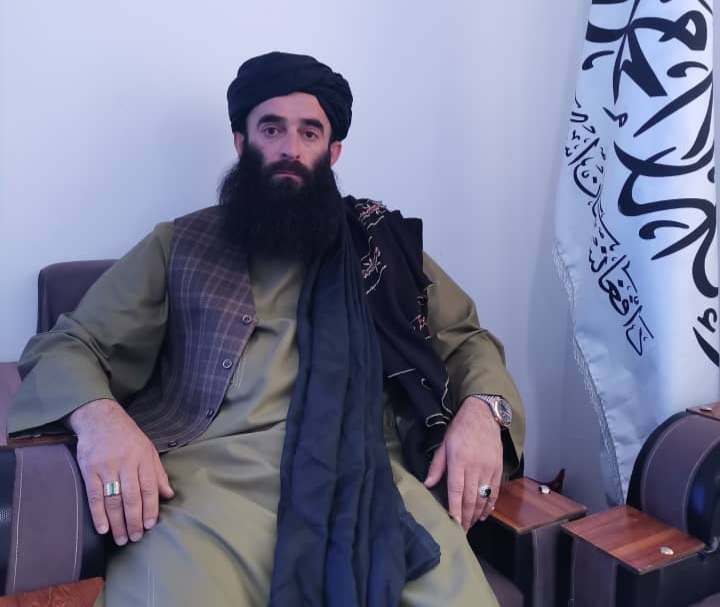
Taliban-Linked Figure Makes Threatening Claims on Television
A Taliban-linked figure, Abdul Hamid Khorasani, made alarming statements during an interview aired on Afghanistan’s national broadcaster Tolo News. Speaking in a threatening tone, he claimed that his group has suicide bombers capable of confronting the entire non-Muslim world. He also alleged that individuals linked to militant groups are present inside Pakistan and could carry out attacks there.
The remarks quickly drew attention because they were made openly on television. Khorasani pointed toward banned groups such as the Tehreek-e-Taliban Pakistan and the Balochistan Liberation Army. He suggested that these elements are capable of acting inside Pakistan. While no evidence was presented, the comments have raised serious security concerns across the region.
Alert: An Afghan Taliban member, Abdul Hamid Khorasani, said in a threatening manner on the national TV Tolo News that they have a group of suicide bombers with which they can confront the entire non-Muslim world. He further stated that they have individuals inside Pakistan,… pic.twitter.com/KTgmuQ4xXw
— Mahaz (@MahazOfficial1) February 24, 2026
At the same time, analysts say such statements add to existing fears about militant networks operating across borders. Public references to suicide attacks are seen as an attempt to project strength and spread fear. Officials note that such rhetoric can encourage extremist violence and undermine regional stability.
Growing Questions Over Militant Presence in Afghanistan
Meanwhile, international reports continue to highlight the presence of extremist groups in Afghanistan. According to assessments by the United Nations Security Council Monitoring Team, more than 20 terrorist organizations and over 13,000 foreign fighters are believed to be operating inside the country. These findings suggest a deep-rooted militant environment rather than isolated actors.
Experts say coordination with cross-border groups points to ideological and logistical overlap. This has increased concern among neighboring countries, especially Pakistan, which has repeatedly warned against the use of Afghan soil for attacks across the border.
In contrast, the Taliban have previously assured the international community that Afghan territory would not be used against other nations. However, statements like those made by Khorasani appear to contradict those assurances. Such rhetoric weakens confidence in Taliban commitments and raises doubts about their control over militant elements.
Furthermore, observers warn that allowing space for extremist networks blurs the line between governance and sanctuary. When violence is spoken of as a strategic tool, it strengthens the perception of deeper links rather than accidental association.
Khorasani’s remarks have renewed scrutiny of the Taliban’s counter terrorism pledges. As long as such statements continue, regional and global concerns over security and stability are likely to remain high.
Read more:Taliban Ruled Afghanistan a Growing Threat to Regional Security, Moscow Warns











