Afghanistan’s humanitarian crisis intensified this week as senior United Nations officials told the Security Council that more than 23 million Afghans will require assistance in 2026, with women and girls facing the harshest restrictions.
The briefing marked one of the UN’s strongest warnings yet on the deteriorating human rights situation and the growing impact of Taliban governance failures.
UN calls for urgent action amid deepening Afghanistan humanitarian crisis
Georgette Gagnon, Deputy Special Representative for Afghanistan, told the Council that the Afghan people are enduring “multiple crises” that have pushed them to the limits of survival.
She said “more than 23 million Afghans continue to require humanitarian assistance in 2026.
Their needs are staggering and growing,” as drought, economic collapse and political restrictions erode living conditions across the country.
She warned that women and girls remain “systematically excluded from almost all aspects of public life,” with the education ban now entering its fourth year.
“We have consistently raised this unacceptable situation. We need your further support to ensure this situation does not become normalized,” she added.
The UN also noted that the removal of female staff from UN premises violates basic rights and obstructs the UN mandate inside Afghanistan.
The humanitarian situation is worsening sharply. Tom Fletcher, the UN’s emergency relief chief, said massive funding cuts have left “17.4 million facing hunger,” with almost no food distribution expected this winter. He warned that “with 3.7 million children in need of nutrition assistance… the results will be catastrophic.”
Taliban restrictions, rising dissent and regional tensions heighten the crisis
Speakers also highlighted rising internal dissent in Afghanistan, with activists calling for intra-Afghan dialogue and the restoration of women’s and girls’ rights.
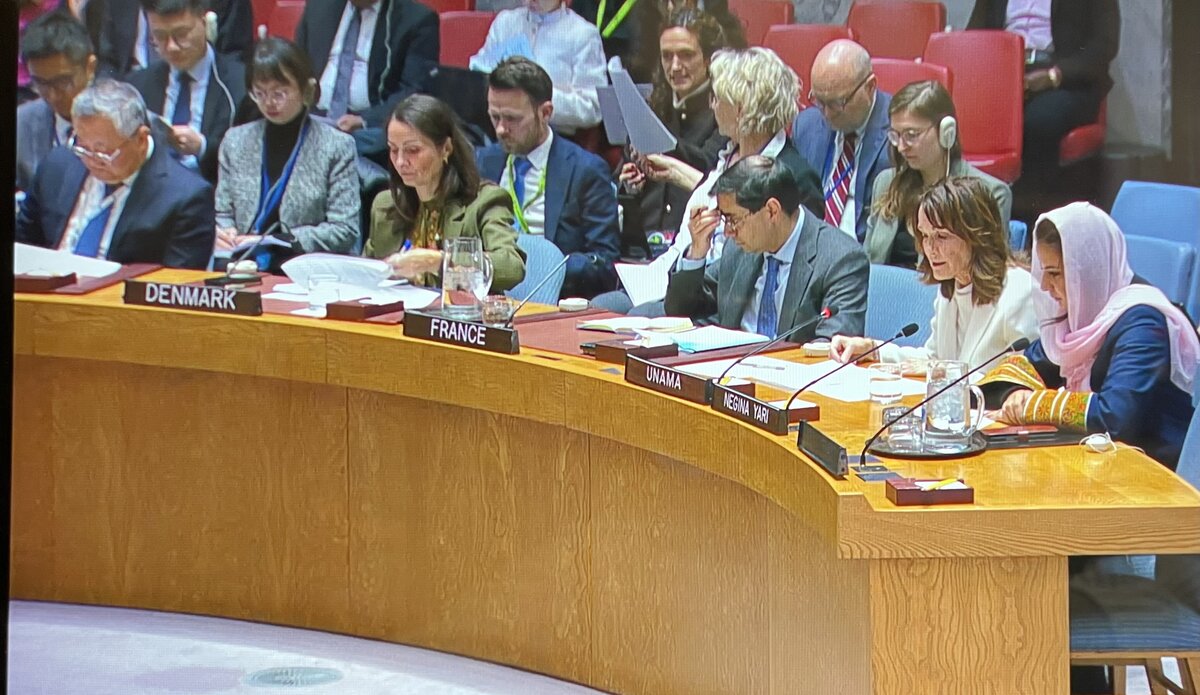
Negina Yari, an Afghan rights advocate, told the Council that “virtually every right of Afghan women has been gradually extinguished,” adding that Afghan women are “not asking for charity… we are demanding our rights.”
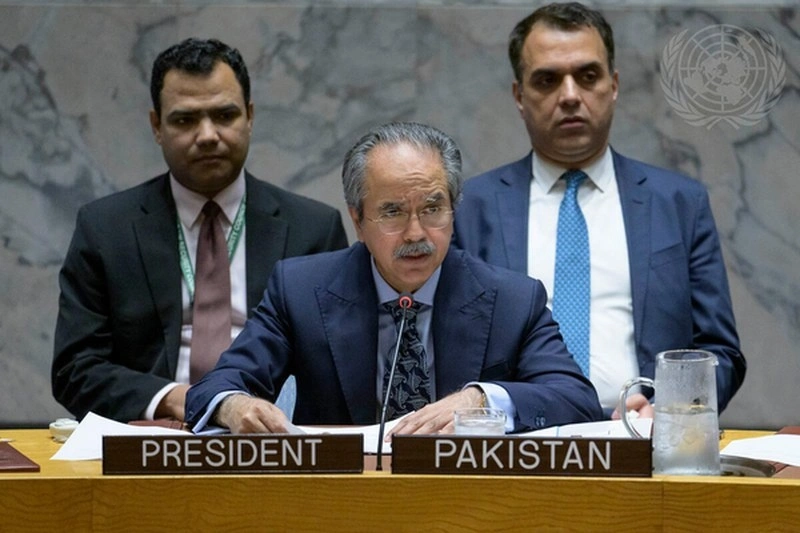
Regional concerns also dominated the discussion. The UN confirmed that tensions between Pakistan and the Taliban have increased due to the presence of TTP militants inside Afghanistan, leading to deadly cross-border incidents.
The UN welcomed Pakistan’s recent decision to allow humanitarian supplies to cross the border, describing it as a responsible step.
More than 55 countries, including the United Kingdom, Canada, France and Germany, issued a joint statement expressing alarm over shrinking freedoms, abuses against women and the worsening humanitarian emergency.
As the Security Council urged renewed international engagement and a clearer political roadmap, Afghanistan’s representative warned that the country faces “gender persecution on a scale that constitutes crimes against humanity.” He urged the world not to abandon the Afghan people as the crisis deepens.
Read more: Kabul Clerics Gathering Declares Foreign Militancy ‘Impermissible’ in New Fatwa