While Afghanistan faces significant economic fragility, recent analyses that frame Pakistan–Afghanistan tensions purely as an economic issue overlook the underlying security drivers. Trade disruptions and market pressures do not happen in isolation—they follow sustained cross-border militant activity.
Militancy Behind Trade Disruptions
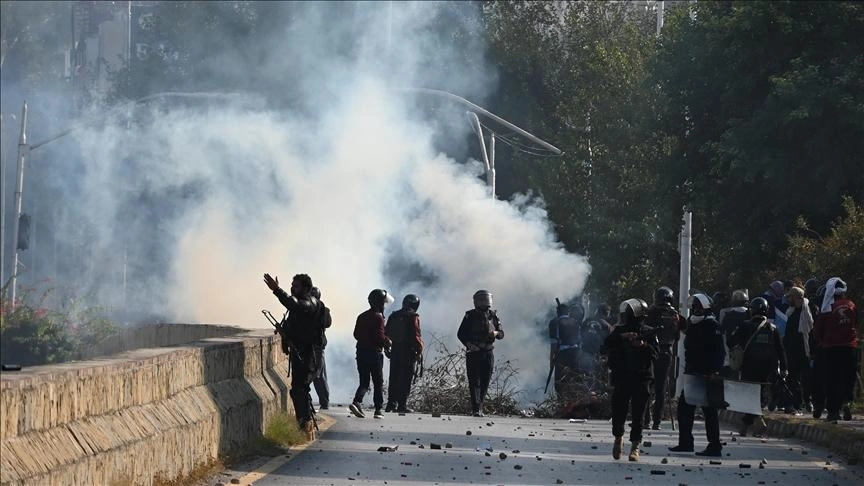
A core factor missing in many economic assessments is the presence of TTP fighters and other militant groups operating from Afghan territory. Multiple international monitoring reports and state-level assessments confirm that thousands of militants are active along the eastern and southeastern Afghan frontier, targeting Pakistani communities and infrastructure.
When attacks across the border increase, security responses by Pakistan, including border management and temporary trade restrictions, naturally follow. Pakistan cannot be expected to maintain fully open trade corridors while militant networks continue to operate with relative freedom across the frontier.
Pakistan’s Role as a Trade Lifeline
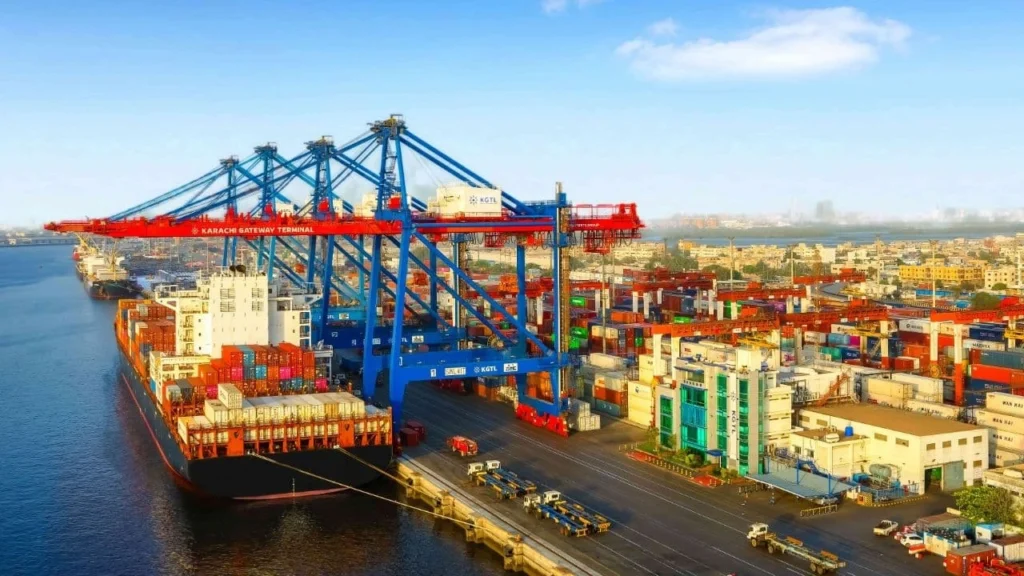
Historically, Pakistan has served as Afghanistan’s main trade and transit lifeline. Afghan exports rely heavily on access to Pakistani ports and road networks, supporting billions of dollars in regional trade each year. Blaming Pakistan for economic pressure while ignoring the role of cross-border militancy reverses the true cause-and-effect: security instability drives economic disruption, not vice versa.
Internal Factors in Afghanistan
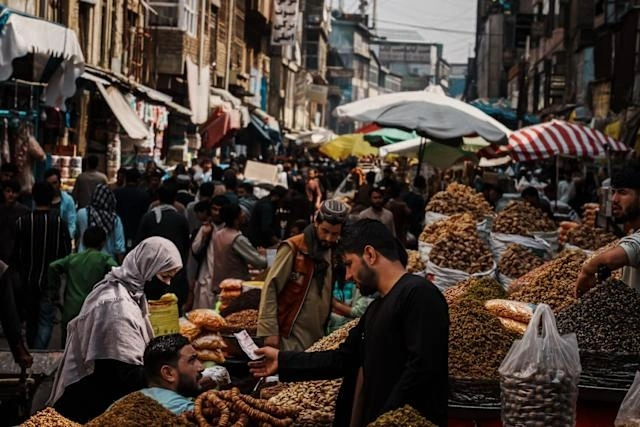
Afghanistan’s economic vulnerability is also shaped by internal policy decisions. Restrictions that limit labor participation, discourage foreign investment, and reduce international engagement have weakened domestic economic capacity and compounded the country’s fragility.
Security as a Prerequisite for Sustainable Trade
For regional trade to thrive, security along the Pakistan–Afghanistan frontier must be ensured. As long as militant groups maintain operational space inside Afghanistan and continue attacks across the border, economic friction between the two countries will remain unavoidable.
Pakistan continues to advocate for measures that combine security, stability, and trade facilitation to support Afghanistan’s economy while protecting its own borders.