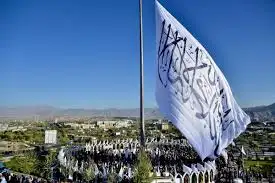
A recent commentary by Al-Mirsad portrays Afghanistan under Taliban rule as stable, corruption free, and economically self reliant. The article also suggested that Pakistan miscalculated regional dynamics post 2021 and is reacting to shifting circumstances. Analysts, however, say these claims are part of a Taliban-backed propaganda effort.
The Al-Mirsad claim selectively omits facts and distorts reality to project resilience and legitimacy for the Taliban regime. It paints a picture of improved governance and regional stability while ignoring ongoing violence and economic challenges. Experts caution that such narratives aim to mislead both domestic and international audiences.
Transitioning from these claims, independent data shows a very different picture on the ground.
Ground Realities: Security and Economic Challenges
Afghanistan continues to host over 20 terrorist groups, with 20,000–23,000 fighters operating freely. Groups like the Tehrik-i-Taliban Pakistan (TTP), ISIL-K, and Al-Qaeda maintain bases and launch attacks, creating direct security threats for Pakistan and the region. In 2025 alone, TTP conducted over 600 attacks in Pakistan, causing nearly 2,000 deaths and thousands of injuries.
Moreover, the Taliban have violated commitments made in Doha by allowing safe havens and operational freedom for militant groups instead of dismantling them. Governance remains exclusionary, dominated by ex-militant leadership, and lacks institutional credibility.
Economically, the Taliban regime is far from self-reliant. Afghanistan depends heavily on external aid, and informal and illicit economies dominate daily life. Regional stability is also under threat, with attacks spilling over into Central Asia, including incidents in Tajikistan involving foreign nationals. Northern Afghanistan is becoming a staging ground for transnational groups such as ETIM, raising concerns for neighboring countries and China’s strategic interests.
Al-Mirsad tries to project Afghanistan as a model of stability and resilience, the reality is starkly different. The country remains a hub of terrorism, radicalization, and economic dependence. The claim serves as a propaganda tool to mask these failures, highlighting the importance of relying on verified information when assessing regional security and policy.