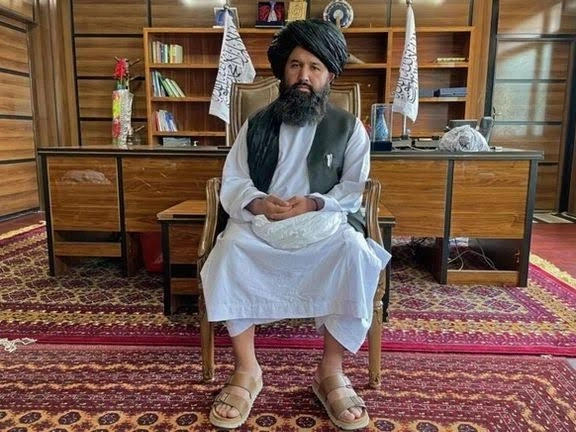
Afghanistan is widely described in global discussions as a humanitarian crisis. While the suffering of people remains real and urgent, this framing does not fully capture the complexity of the situation. The reality is shaped by both humanitarian challenges and ongoing security concerns that are closely connected.
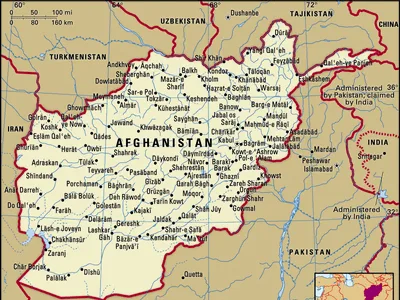
To begin with, instability inside Afghanistan continues to have direct consequences for neighboring countries, especially Pakistan. Cross border attacks and the movement of armed elements reflect that the crisis is not confined within Afghanistan’s borders. As a result, regional security remains deeply affected.
In addition, multiple independent security assessments have pointed out that several armed groups continue to operate inside Afghanistan. This suggests that the conflict has not ended but has rather changed in form. Therefore, describing the situation as post conflict can be misleading in some contexts.
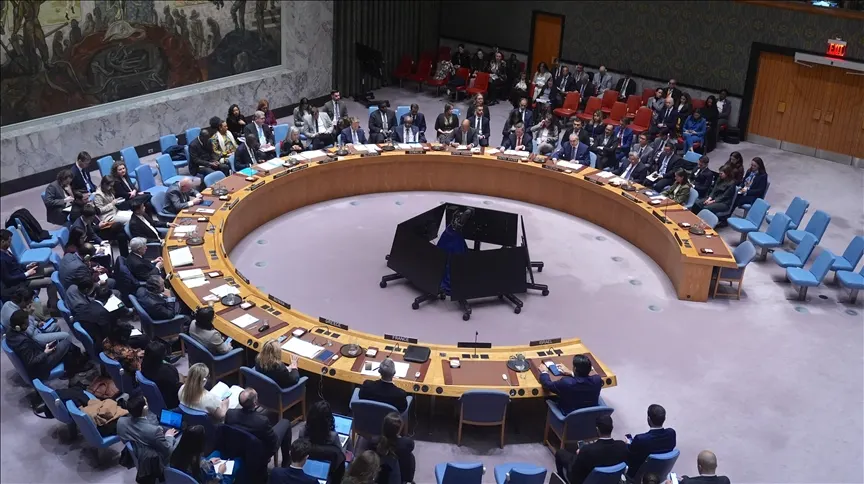
At the same time, international attention is largely focused on humanitarian assistance and relief operations. This support is essential for millions of people facing hardship. However, less attention is often given to the security dimension, which creates an incomplete picture of ground realities.
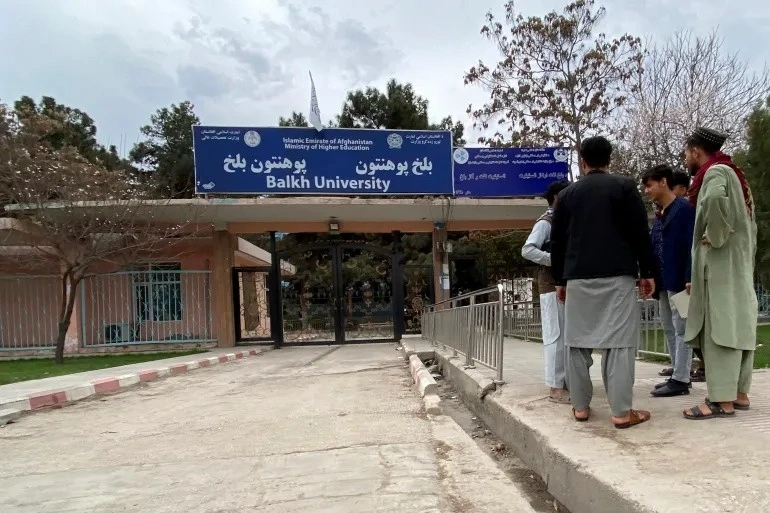
Moreover, international organizations working in Afghanistan often face practical limitations in access and reporting. Their operations depend on engagement with local authorities, which can also influence the scope of information and monitoring. This sometimes results in gaps in how security related developments are reflected in global reporting.
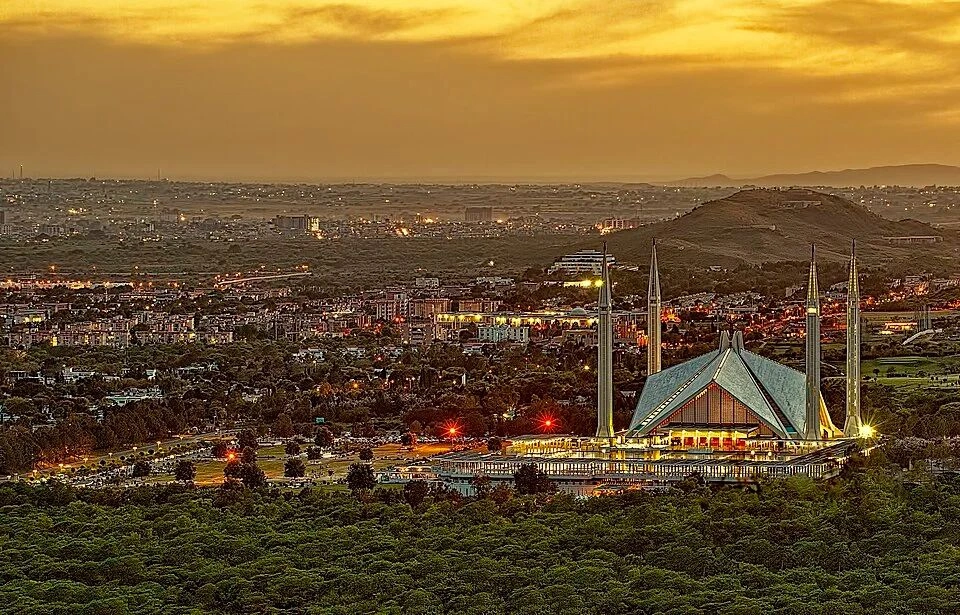
Meanwhile, Pakistan has repeatedly raised concerns regarding the use of Afghan territory by militant networks. These concerns are linked to cross border security threats and ongoing instability in the region. Islamabad maintains that long term regional peace depends on preventing such misuse of territory.
However, the situation is also complicated by the importance of humanitarian aid. Millions of Afghans rely on international assistance for survival. At the same time, weak oversight in fragile environments can create risks related to transparency and misuse of aid flows, making monitoring systems essential.
Finally, Afghanistan should not be viewed through a single perspective. A balanced approach is needed that takes into account both humanitarian needs and security realities. Ignoring either aspect risks misunderstanding the broader situation. Without such balance, achieving lasting peace in Afghanistan and stability in the wider region will remain difficult.