Following Pakistan’s recent actions against alleged militant hideouts inside Afghanistan, the Taliban government is facing unusual and growing pressure from local tribes. In several eastern provinces, tribal elders are openly questioning the presence of armed groups in their areas and warning that continued inaction could push communities toward self defense.
Tribes Demand Removal of Militant Groups
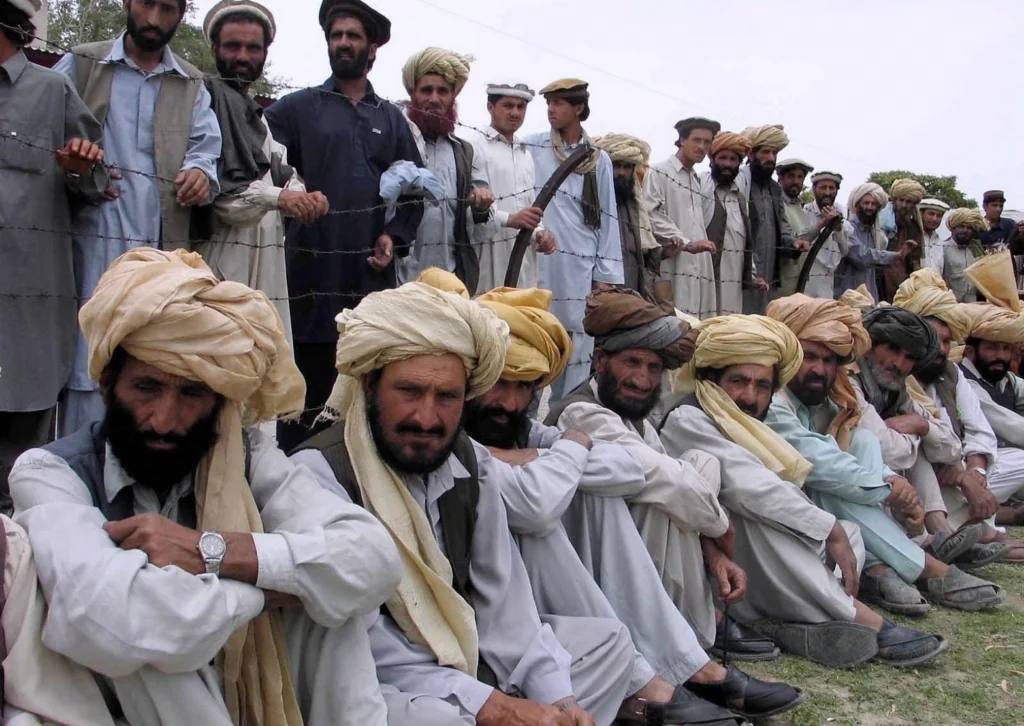
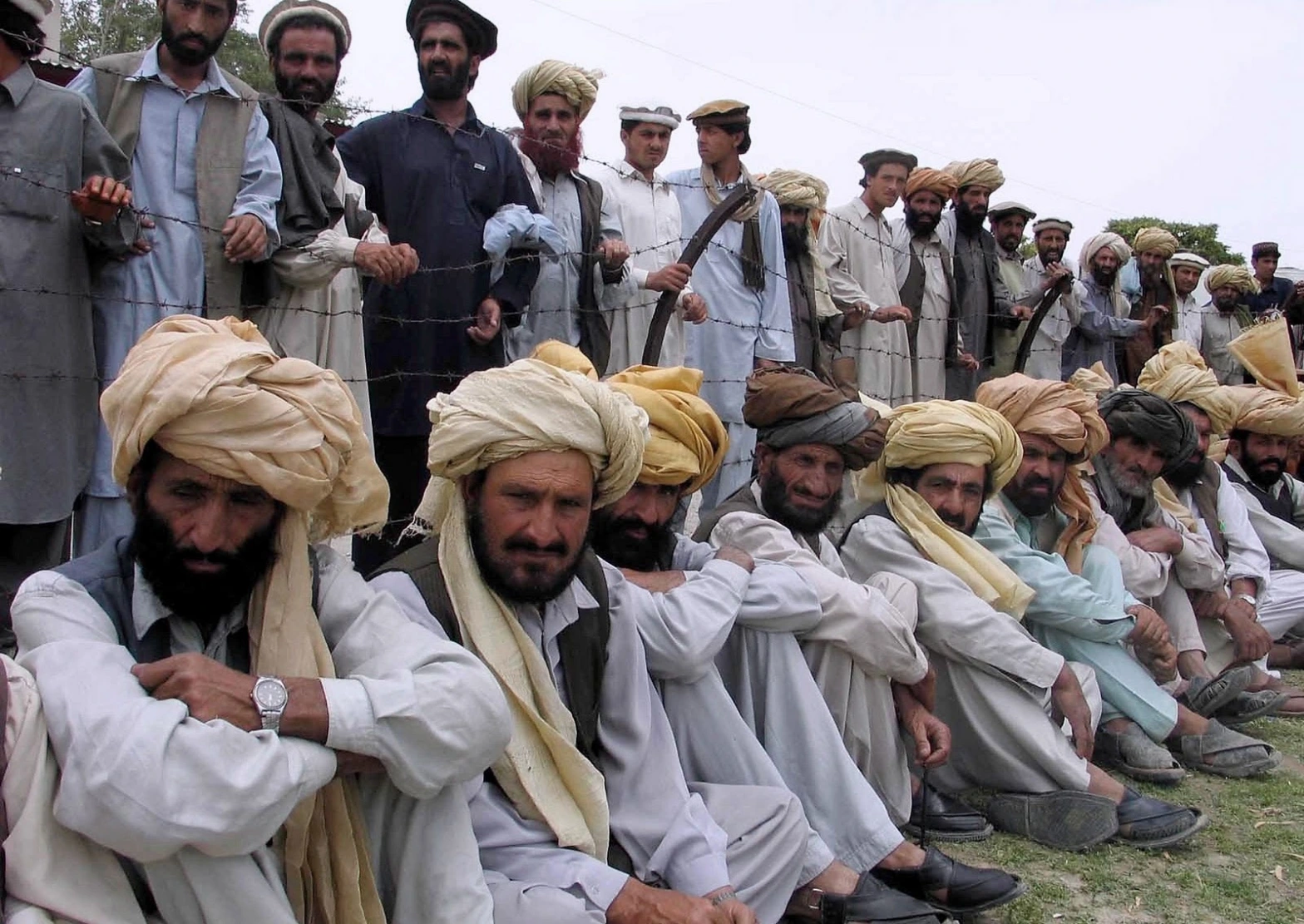
According to sources, on February 22, seven major tribes from Khost,and Paktia raised concerns with Taliban officials. These included the Zadran, Mangal, Suleman Khel, Kharoti, Zazi, Ahmadzai, and Kakar tribes. The elders demanded the immediate removal of fighters linked to the TTP and the Hafiz Gul Bahadur group from their regions. They warned that if the situation continued, tribes would be forced to protect themselves.
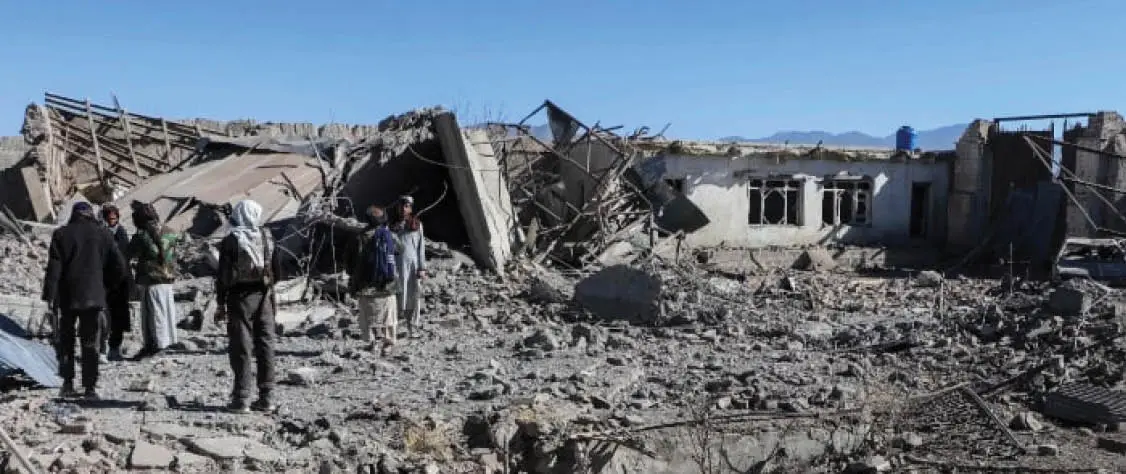
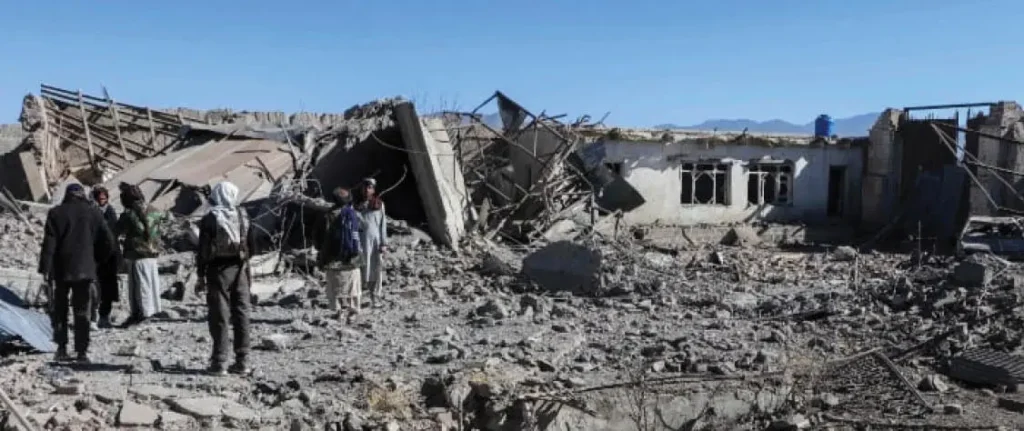
Soon after, a jirga of at least 20 tribal elders met Mehrullah Hamd, the governor of Paktia for Afghanistan’s southern zone. The meeting took place while bodies from the reported strikes were being recovered and access to the site was restricted. The delegation argued that the presence of armed groups in border areas had led to repeated Pakistani actions. As a result, local people suffered loss of life, damage to property, and disruption of daily livelihoods. They also accused these groups of harassing residents and engaging in extortion and looting.
Taliban Leadership Faces Growing Internal Strain
Meanwhile, anger among the local population continues to rise. Elders from the Zadran tribe reportedly sought help from Sirajuddin Haqqani, but no visible steps followed. This prompted Padshah Khan Zadran to take a leading role in organizing tribal demands. Observers say the united stance of influential tribes has increased pressure on the Taliban leadership.
In response, the governor of Paktia reportedly informed the office of Taliban leader Hibatullah Akhundzada in Kandahar. Sources claim Defense Minister Mullah Yaqoob and intelligence chief Abdul Haq Wasiq were asked to explore solutions with provincial authorities. Discussions may include relocating militant fighters to northern areas, though no official confirmation has been issued.
At the same time, reports from Kabul mention the emergence of a new group calling itself the Afghan Independence Front. The group claims it has declared opposition to the Taliban, but these claims remain unverified.
Overall, the situation shows that rising border tensions have triggered internal tribal unrest. In the coming days, attention will remain on whether Kabul takes practical steps to ease concerns or whether the pressure continues to grow.
Read more:Taliban Establish Powerful Border Commission Under Mullah Hibatullah