
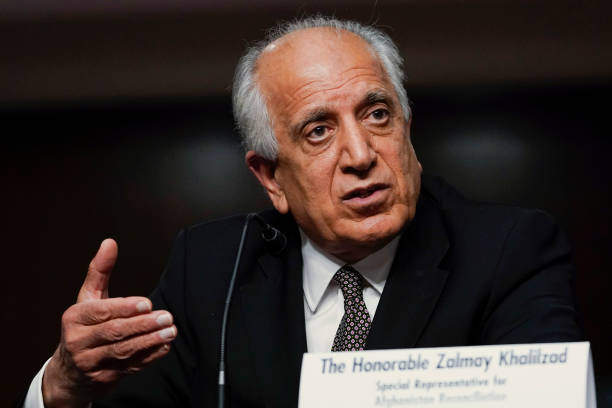
Former US envoy Zalmay Khalilzad recently criticized Pakistan for its airstrikes in Afghanistan. He claimed the strikes caused civilian casualties, including women and children, and called the operations condemnable. Khalilzad urged Pakistan to adopt a more peaceful approach that prioritizes regional stability.
Again, there have been horrendous Pakistani air attacks on #Afghanistan. According to authoritative sources, many innocent women, children and elderly have been killed and wounded. I condemn these attacks.
— Zalmay Khalilzad (@realZalmayMK) February 22, 2026
Why is #Pakistan doing this? Fundamentally, the answer lies in years…
These remarks, however, have sparked debate across the region. Analysts point out that Khalilzad’s own track record raises questions. During his tenure, he helped negotiate the Doha framework, which aimed to facilitate peace in Afghanistan but failed to dismantle terrorist safe havens.
Reports later showed that more than 20 terrorist groups, including over 13,000 foreign fighters, remained active in the country. Critics argue that his calls for restraint overlook the security risks these groups continue to pose.
Pakistan’s Counterterror Efforts and Regional Security
Pakistan’s strikes targeted terrorist groups operating across the border, particularly the Tehrik-i-Taliban Pakistan (TTP). Cross-border attacks by these groups have caused repeated casualties in Pakistan, highlighting the operational threats emerging from Afghan territory. Officials stress that these measures were not impulsive but followed years of intelligence gathering, warnings, and diplomatic engagement.
Experts say criticism that frames Pakistan’s actions as “intervention” ignores the reality of ongoing threats. The airstrikes were aimed at neutralizing key militant positions, protecting Pakistani citizens, and reinforcing border security.
They argue that selective accountability, which focuses on civilian casualties without acknowledging the permissive environment for terrorists, creates an incomplete picture of regional challenges.
Moving forward, analysts emphasize that lasting peace requires dismantling terrorist infrastructure rather than placing blame alone. Pakistan’s actions demonstrate a commitment to protecting its population while countering groups that exploit Afghan territory.
Observers believe that balancing security with diplomacy is essential, but taking action against armed militants remains a necessary step for regional stability.
Read more: Khalilzad’s Drone Justification Sparks Accusations of Double Standards on Regional Security











