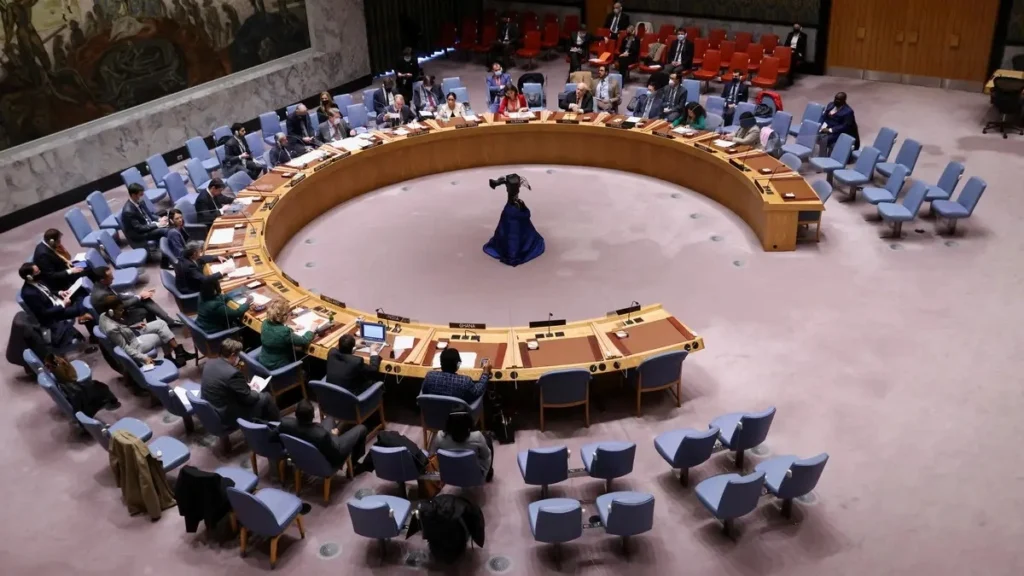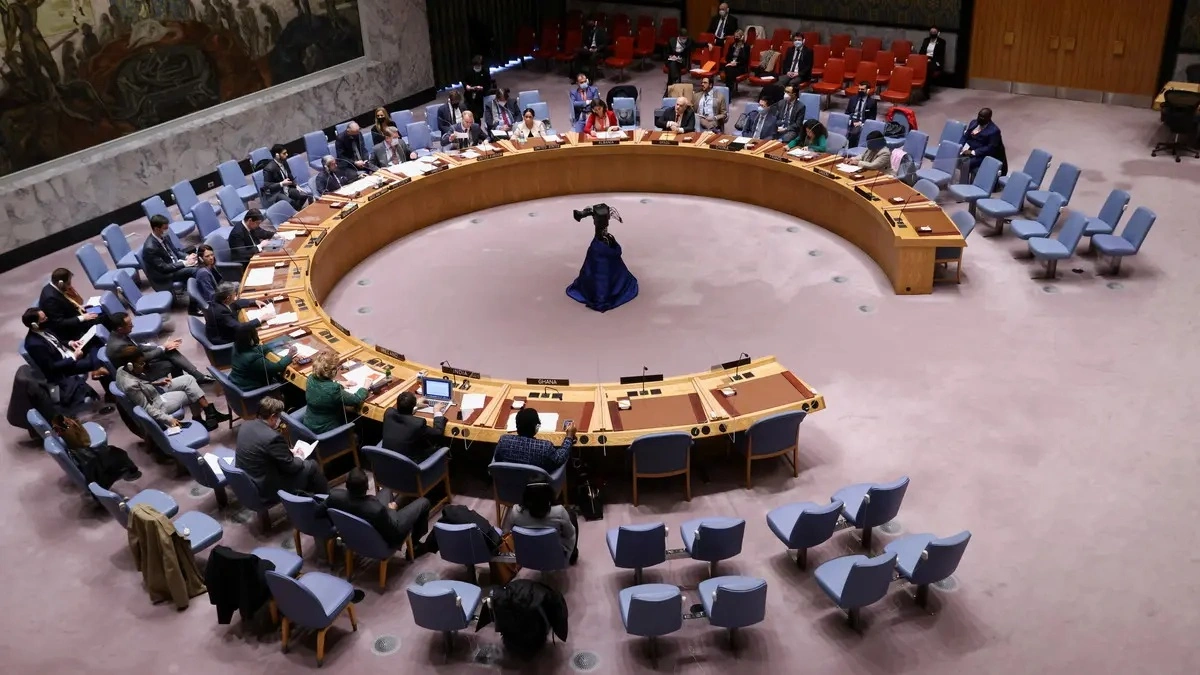
February 2026 – The 37th report of the United Nations Security Council Analytical Support and Sanctions Monitoring Team, released on 4 February 2026, highlights the persistent presence of terrorist organizations in Afghanistan and underscores the growing threat these groups pose to regional stability.
Rising Threat from TTP Against Pakistan
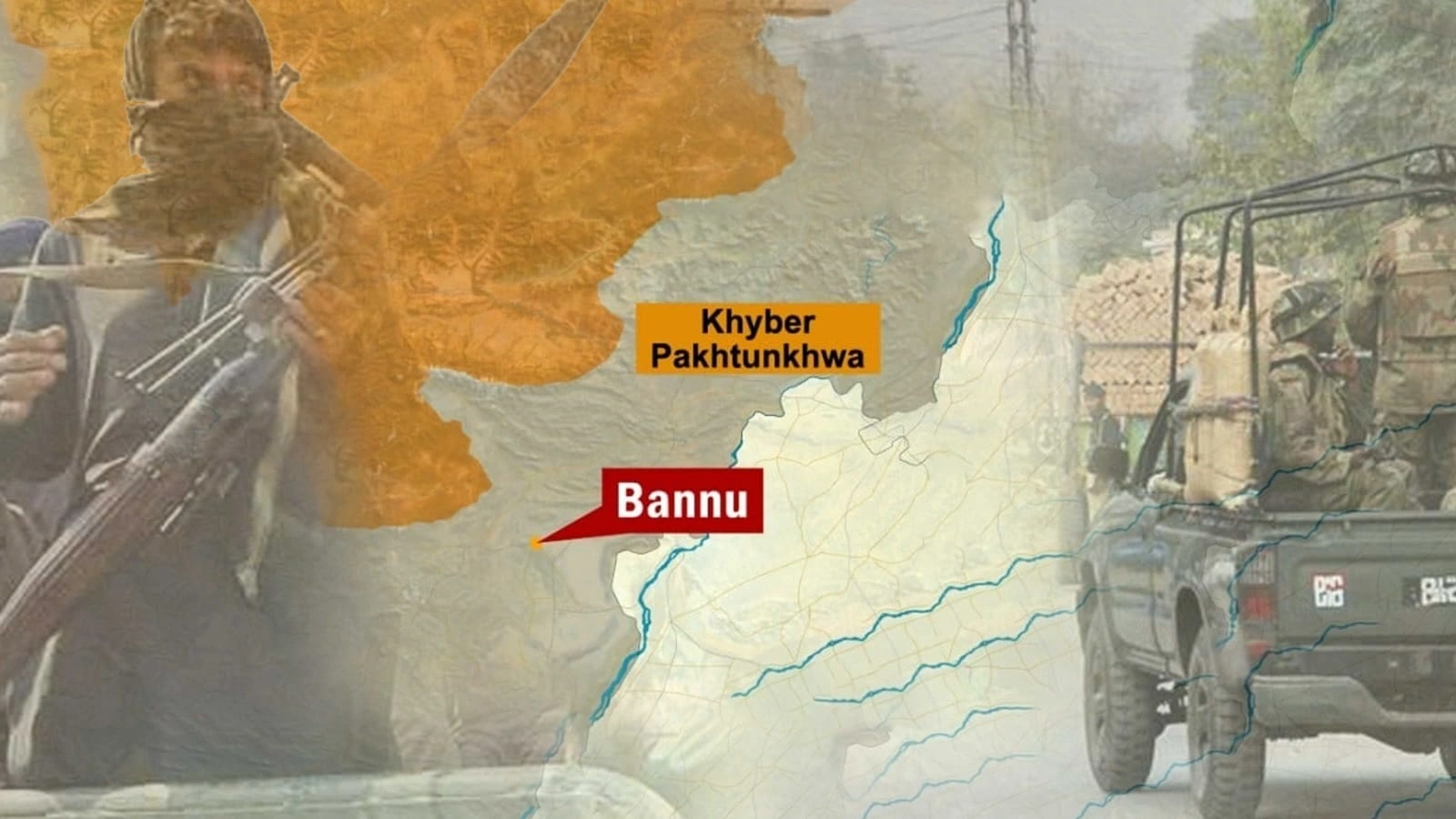
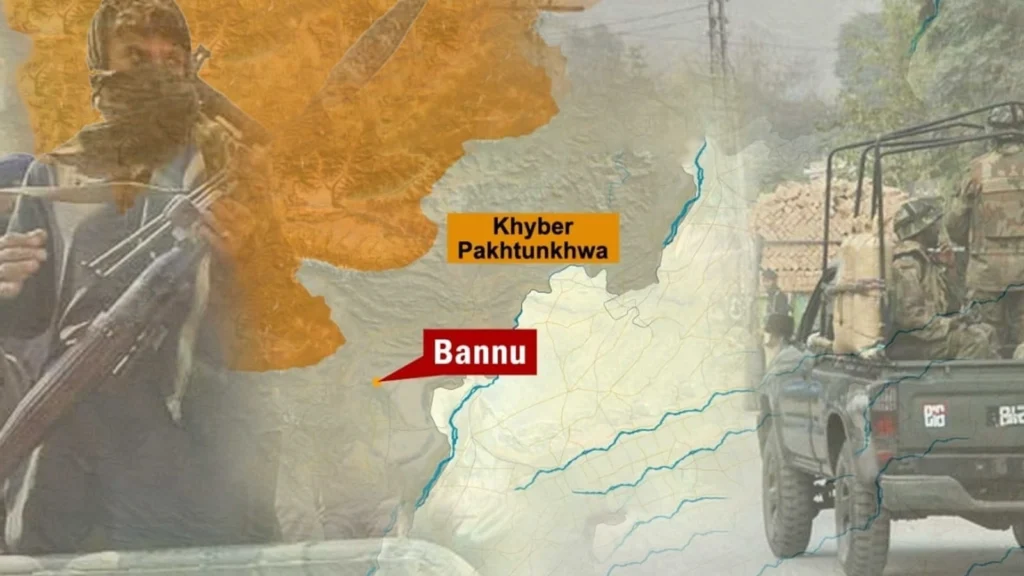
The report specifically notes a marked increase in attacks by the Tehrik-i-Taliban Pakistan (TTP) launched from Afghan territory. These assaults have led to heightened tensions and occasional military exchanges between Pakistan and Afghanistan. Regional countries have consistently rejected Taliban claims that no terrorist groups operate from Afghan soil, citing continued cross-border attacks and the spillover of radicalization.
Taliban Facilitation and Advanced Weaponry
According to the report, terrorist groups in Afghanistan have acquired sophisticated weaponry through smuggling and black-market trade. Abandoned stockpiles, combined with Taliban-issued permits and travel documents, have enhanced TTP’s operational capabilities, increasing the group’s lethality against Pakistani security forces.
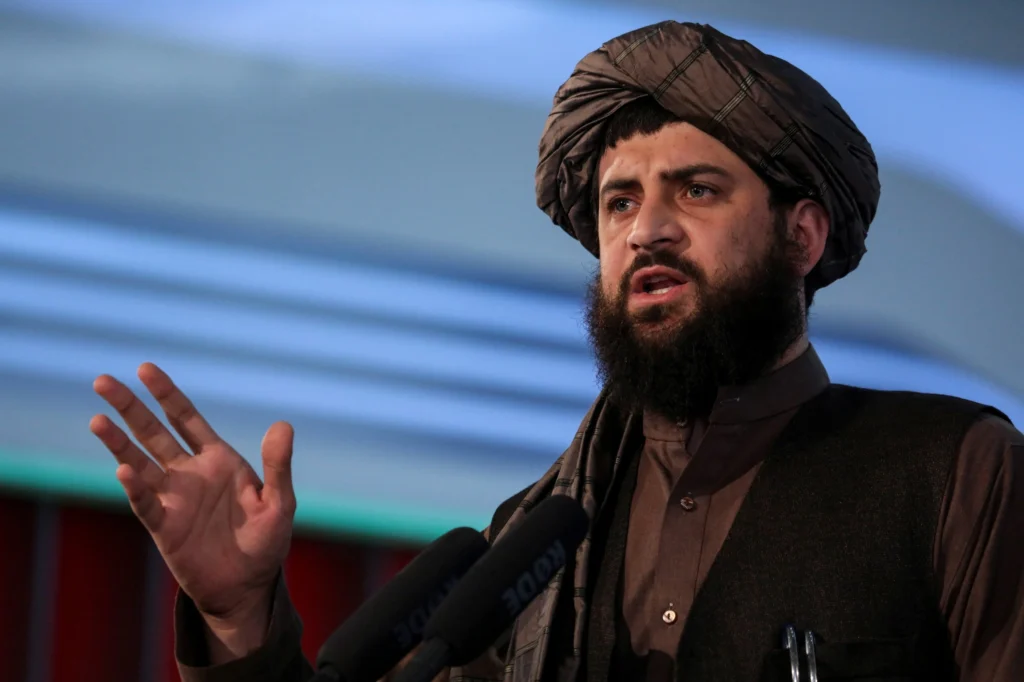
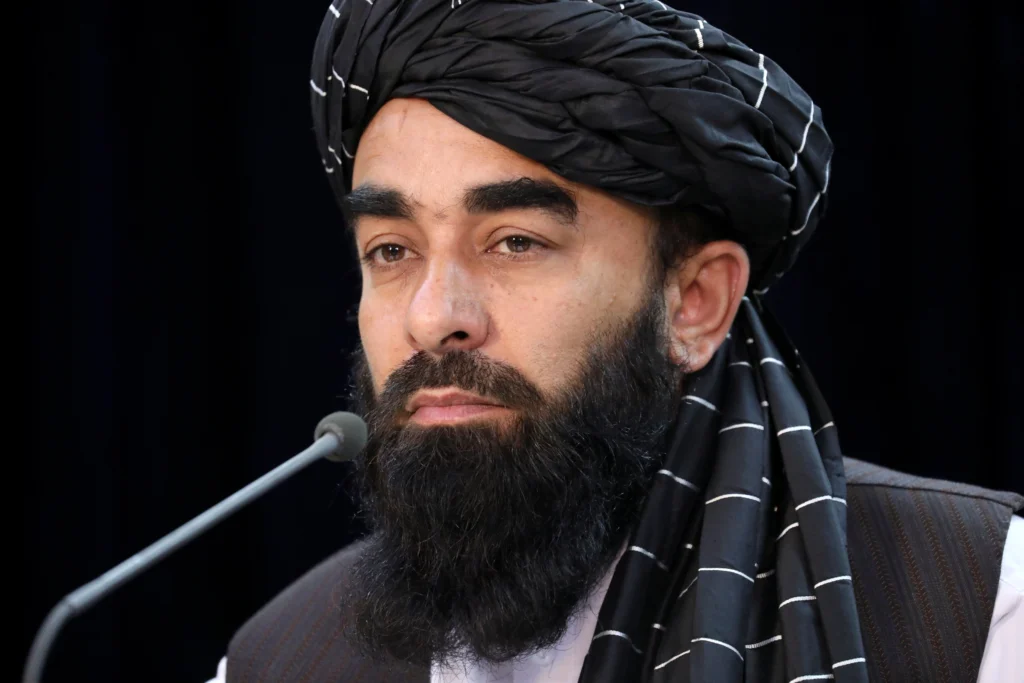
The Taliban regime has granted TTP greater liberty and logistical support, enabling more frequent attacks and contributing to rising regional instability. One notable incident cited is the 11 November 2025 Islamabad courthouse attack, which resulted in the martyrdom of 12 civilians and security personnel.
Al-Qaeda and AQIS Activities
Al-Qaeda continues to operate under Taliban patronage, serving as both a trainer and force multiplier for other terrorist organizations, particularly TTP.
The report confirms that Al-Qaeda in the Indian Subcontinent (AQIS) remains active in southeastern Afghanistan. Its leadership, including Emir Osama Mahmoud and deputy Yahya Ghauri, are reportedly based in Kabul, raising concerns about potential external operations targeting regional and international locations.
ISIL-K and ETIM/TIP Presence
The Islamic State Khorasan Province (ISIL-K) continues to maintain a strong operational presence in northern Afghanistan, particularly in Badakhshan and border areas near Pakistan. The group retains significant combat capability, according to the report.
Meanwhile, the East Turkestan Islamic Movement (ETIM/TIP) operates under Taliban patronage with freedom of movement. Approximately 250 ETIM members reportedly joined Taliban police forces in 2025. The group is concentrated in Badakhshan and has been involved in recruitment for attacks in Xinjiang, while funding itself through poppy cultivation and mining activities.
Regional Concerns
Central Asian states have expressed serious concern over foreign terrorist fighter camps in northern Afghanistan, particularly in Badakhshan. These camps are reportedly being used to plan attacks targeting neighboring countries, highlighting the broader regional implications of Afghanistan’s permissive environment for terrorist activity.
Conclusion
The 37th UN report reinforces the assessment that Afghanistan under Taliban control continues to serve as a hub for multiple terrorist groups, including TTP, Al-Qaeda, AQIS, ISIL-K, and ETIM/TIP. The document emphasizes the urgent need for coordinated international action to prevent further destabilization and curb the growing threat of terrorism emanating from Afghan territory.
Read more :Concerns Grow Over Al-Qaida Sanctuaries and Export of Extremist Violence from Afghanistan