Severe Winter Hits Earthquake Zones
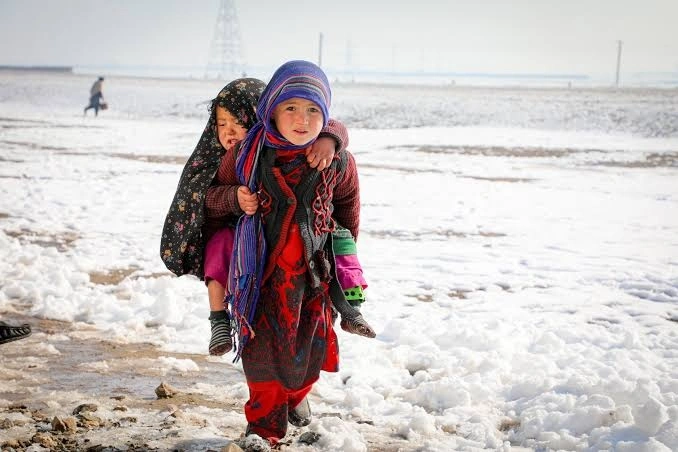
Recent heavy snowfall across Afghanistan has worsened the situation for children in areas already affected by last year’s earthquakes. UNICEF has warned that these extreme weather conditions are limiting access to essential services such as food, shelter, and healthcare. Families in remote mountainous regions are struggling to cope, with snow blocking roads and isolating communities.
Rising Casualties from Harsh Weather
Authorities report that the death toll from snow-related incidents has surpassed forty people. Rescue teams are working under challenging conditions to reach vulnerable populations, particularly children and the elderly, who are most at risk from exposure to freezing temperatures.
Urgent Need for Humanitarian Assistance
UNICEF emphasized that immediate support is required to protect children from the compounded effects of natural disasters. Winter kits, emergency shelters, and medical assistance are in critical demand. International organizations and local authorities are coordinating relief efforts, but logistical challenges due to heavy snowfall continue to delay aid delivery.
Impact on Vulnerable Communities
The combination of earthquake damage and severe winter weather has left many families without adequate housing or food supplies. Health risks, including hypothermia and malnutrition, are rising rapidly. UNICEF calls on the global community to prioritize emergency response in Afghanistan, highlighting that children face the highest vulnerability during such compounded crises.
Call for Global Support
UNICEF has urged governments, NGOs, and humanitarian partners to increase funding and deploy emergency resources. Without immediate intervention, the most vulnerable children in Afghanistan could experience long-term consequences, including disruption of education, deteriorating health, and increased displacement.
Conclusion
The recent snowfall has turned already fragile communities in Afghanistan into crisis zones. Coordinated international support and rapid response are essential to prevent further loss of life and to ensure the survival and safety of earthquake-affected children.
Read more :UN Deputy Chief Rosemary DiCarlo Visits Kabul, Meets Taliban Officials