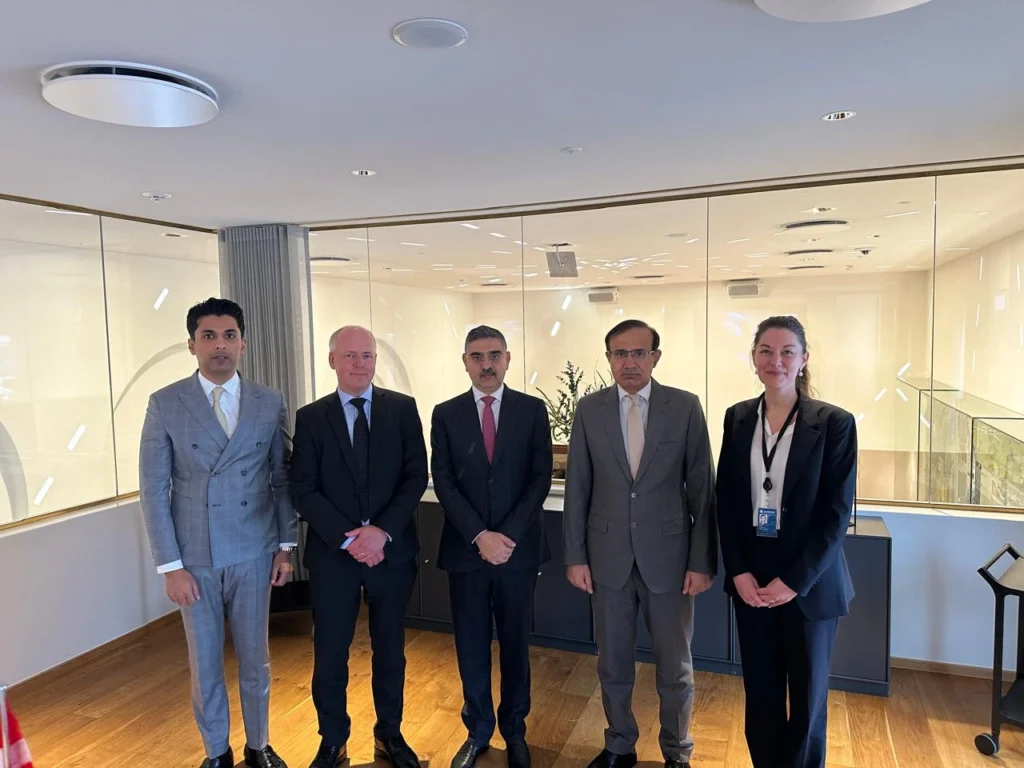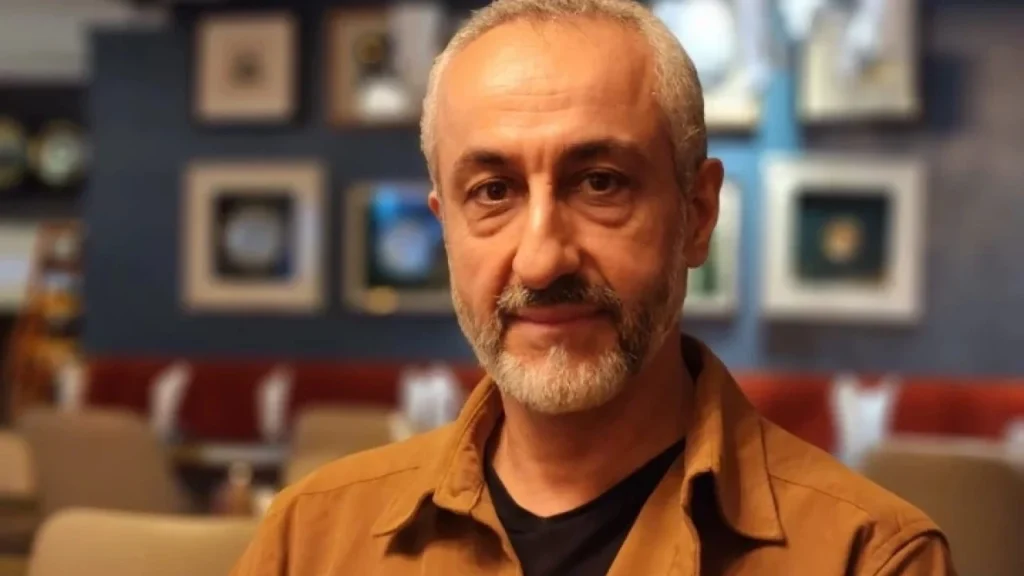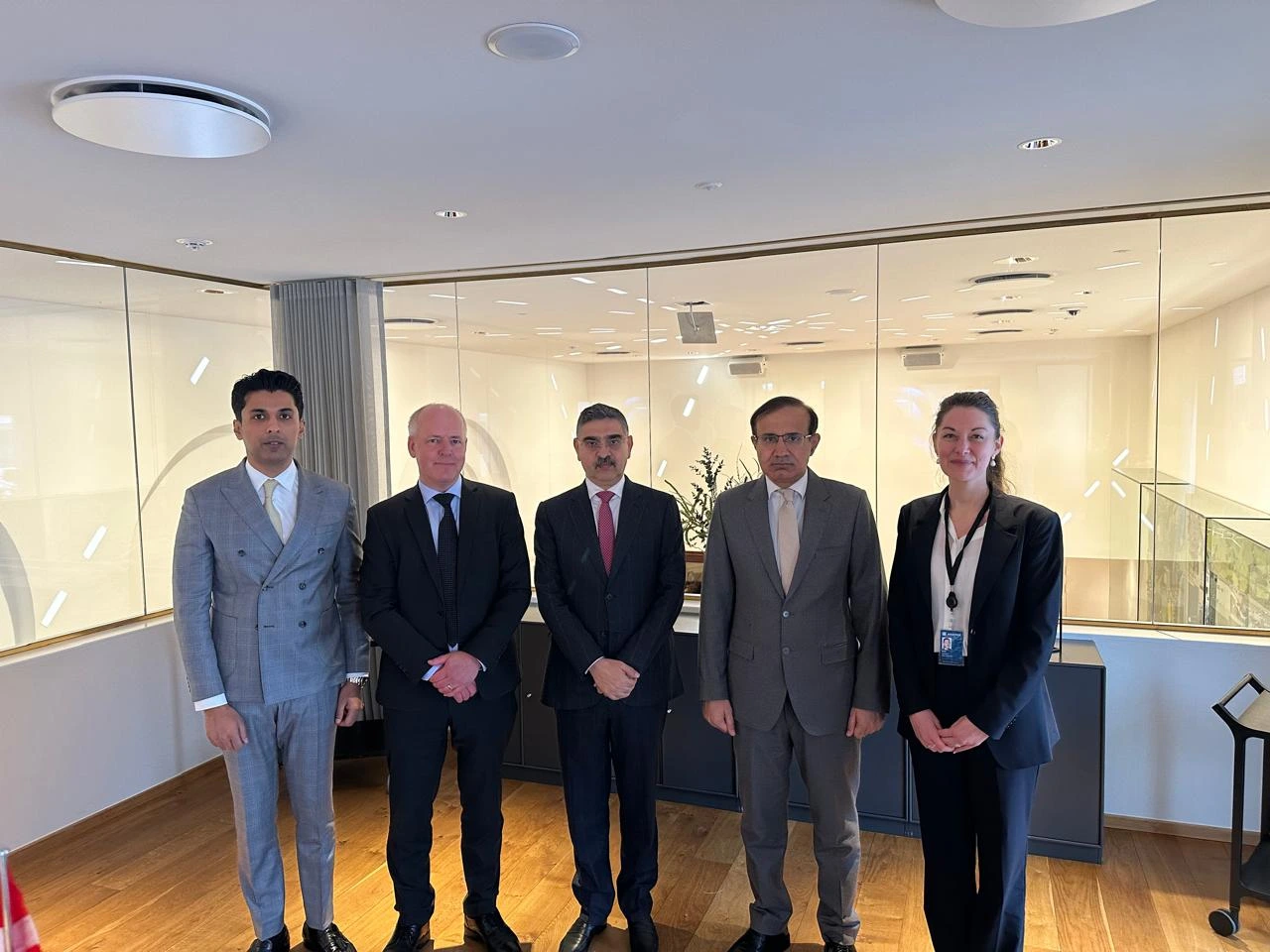
Web Desk: Former Prime Minister Anwar ul Haq Kakar met members of the Baloch diaspora in Denmark and said the rapid collapse of Afghanistan’s Western-backed system underscored Pakistan’s long-held view that sustainable stability must come from within.
Former PM Kakar addressed community members during his visit and reflected on regional security dynamics, particularly developments in neighboring Afghanistan.
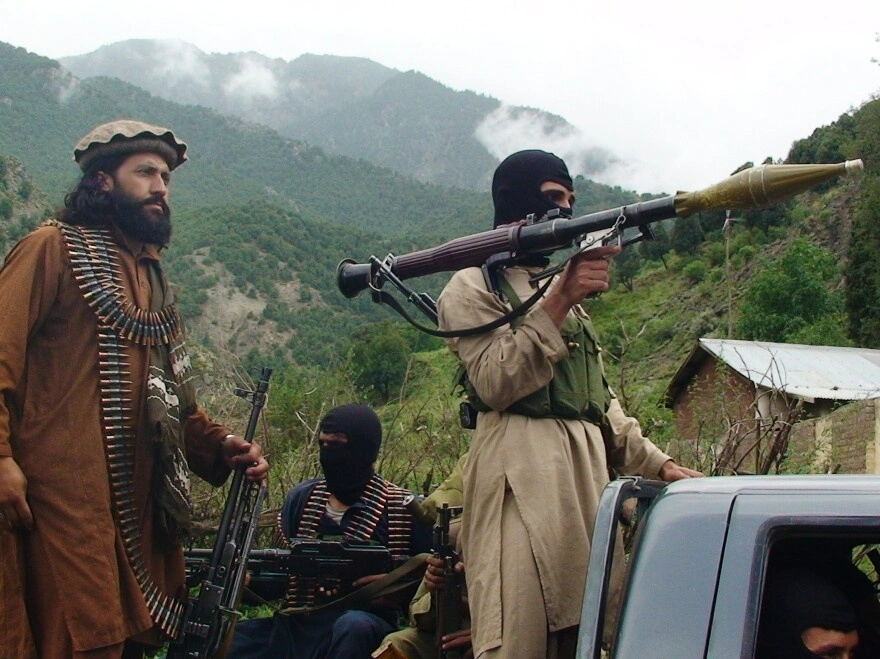
Anwar ul Haq Kakar said that despite billions of dollars in foreign financial and military assistance, Afghanistan failed to build a durable security and governance structure. He argued that the swift collapse of Afghan institutions reinforced Pakistan’s position that external intervention cannot substitute for locally grounded solutions.
He pointed to extensive U.S. funding and military support for Afghan security forces, which ultimately did not ensure long-term stability. According to Kakar, the outcome demonstrated the limits of externally driven state-building efforts.
In contrast, he said Pakistan consistently adopted what he described as a responsible and measured approach in the region.
Kakar noted that Pakistan, despite limited resources, carried out sustained counterterrorism operations and preserved the integrity of its state institutions. He said Pakistani security forces and civilian institutions maintained stability under significant internal and external pressure.
Furthermore, he described the country’s resilience as evidence of national resolve and professional capacity.
He told participants that the Afghan situation validated Pakistan’s argument that solutions to regional conflicts must align with local realities and ground conditions.
Kakar added that Pakistan should be viewed as a responsible and pragmatic state committed to regional peace and stability. He said Islamabad remains serious about promoting security through cooperation and realistic policy frameworks.
The interaction with the Baloch diaspora formed part of broader outreach efforts to engage overseas Pakistanis on regional developments and national policy perspectives.