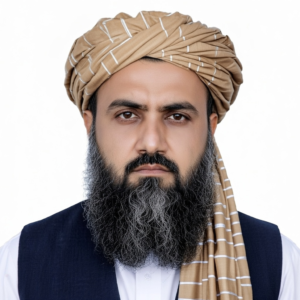
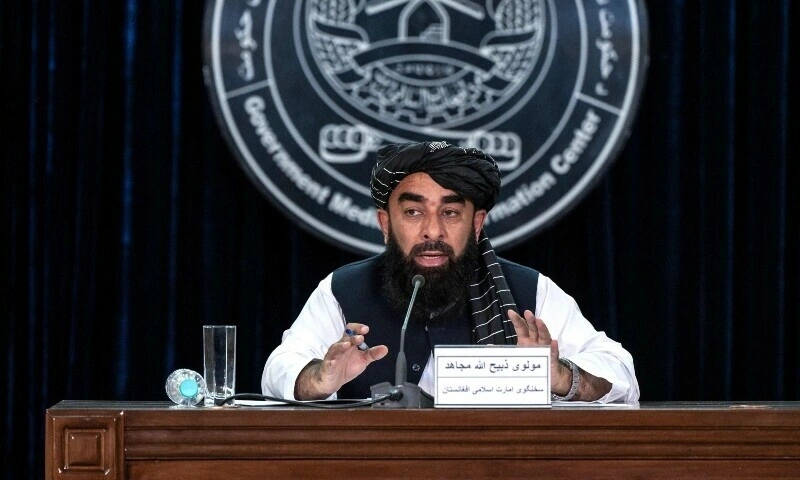
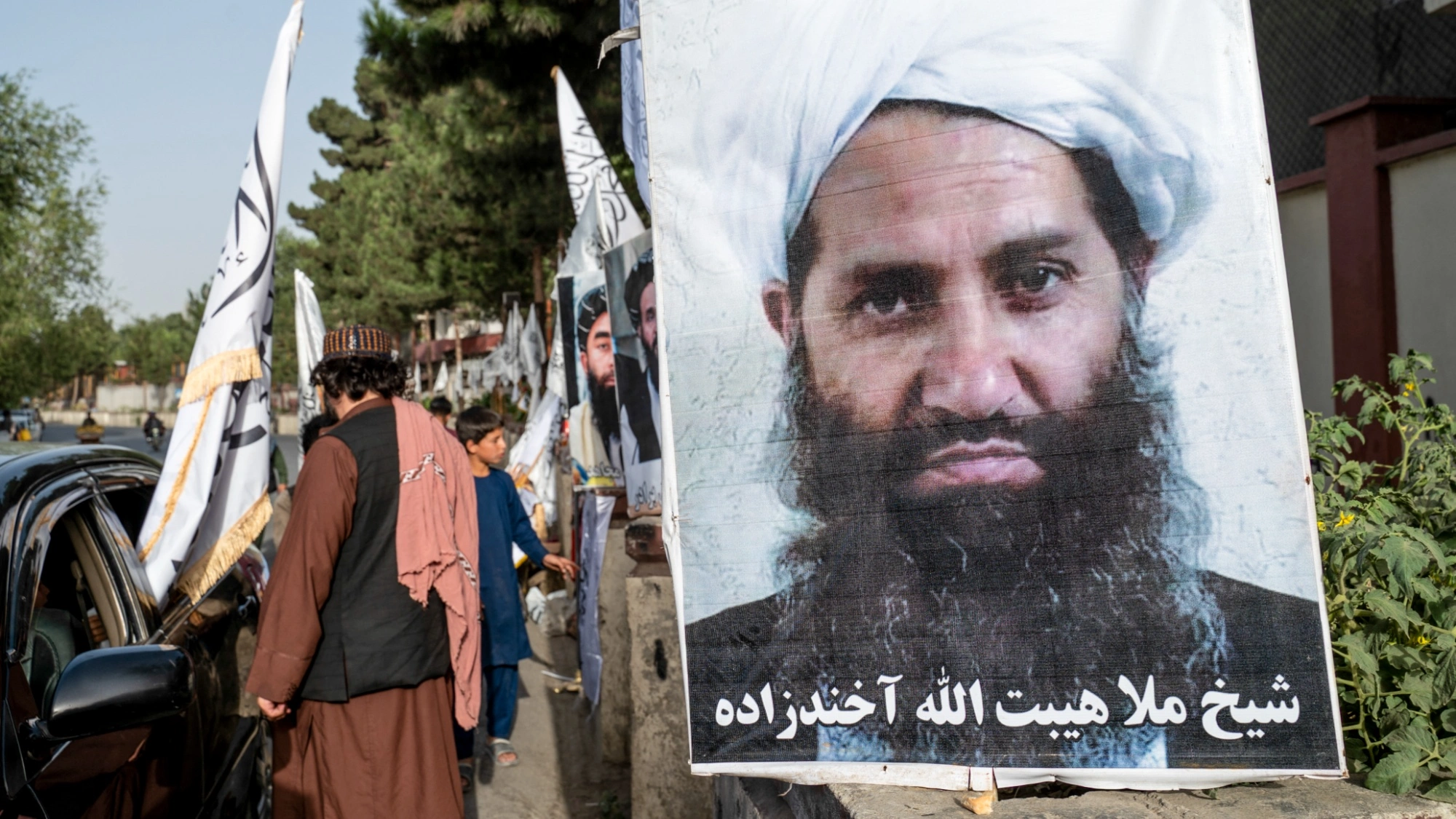
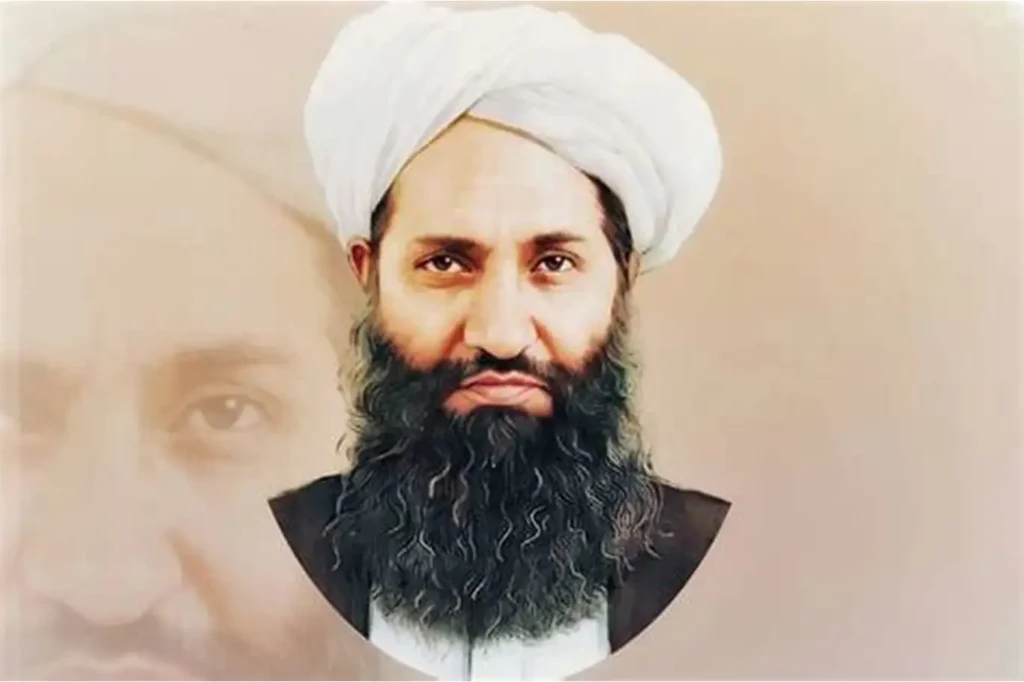
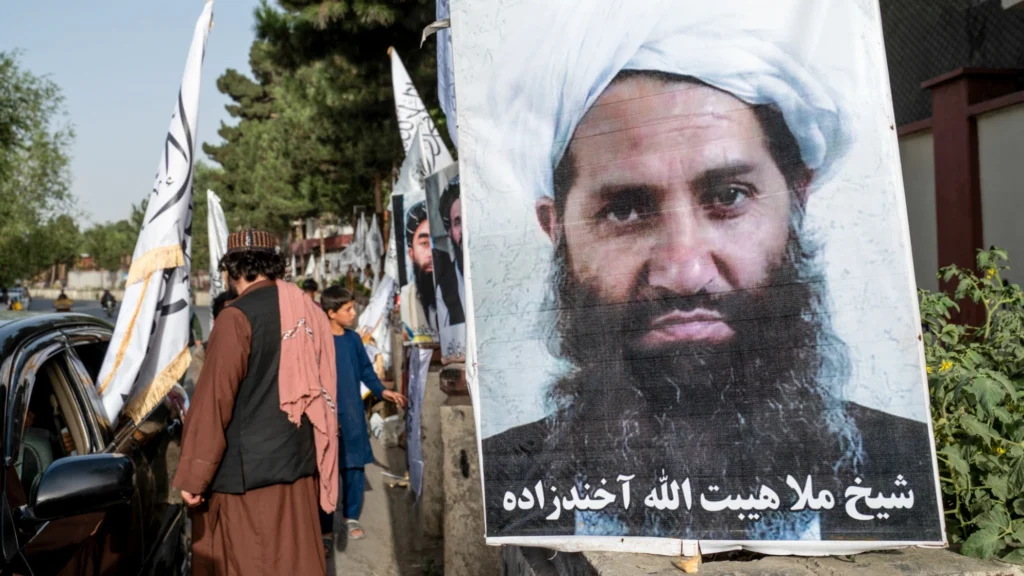
A new order by Hibatullah Akhundzada has sparked discussion about charity and aid distribution in Afghanistan. According to sources, the Taliban leader has introduced new rules that affect how charitable donations are given to people in need.
Under the latest directive, philanthropists and donors are no longer allowed to directly distribute charity to poor and vulnerable people. The order states that individuals cannot independently provide aid such as alms or donations.
Instead, donors are required to follow a new system. If someone wishes to distribute charity on their own, they must give a fixed share of that assistance to the Taliban authorities. This effectively places a levy on charitable activities.
Supporters of charity organizations say the move could change how humanitarian support reaches communities. Afghanistan has been facing serious economic hardship in recent years. Many families rely on donations from local philanthropists and aid groups for basic needs such as food, medicine, and daily supplies.
In addition, a second decree reportedly outlines procedures for contacting foreign embassies and seeking financial assistance from other countries. The directive explains how requests for international support should be handled.
However, critics say this part of the order appears to be an appeal for funding from abroad. They argue that such steps may raise further questions about financial control and transparency.
Overall, the new orders have added to the ongoing debate about governance and humanitarian aid in Afghanistan. Observers say the impact of these rules on ordinary people will become clearer in the coming months as the policy begins to take effect.