Pakistan’s “Islamabad Process” aimed at promoting peace in the Middle East has drawn global attention for its diplomatic success, while also triggering critical narratives from certain circles abroad.
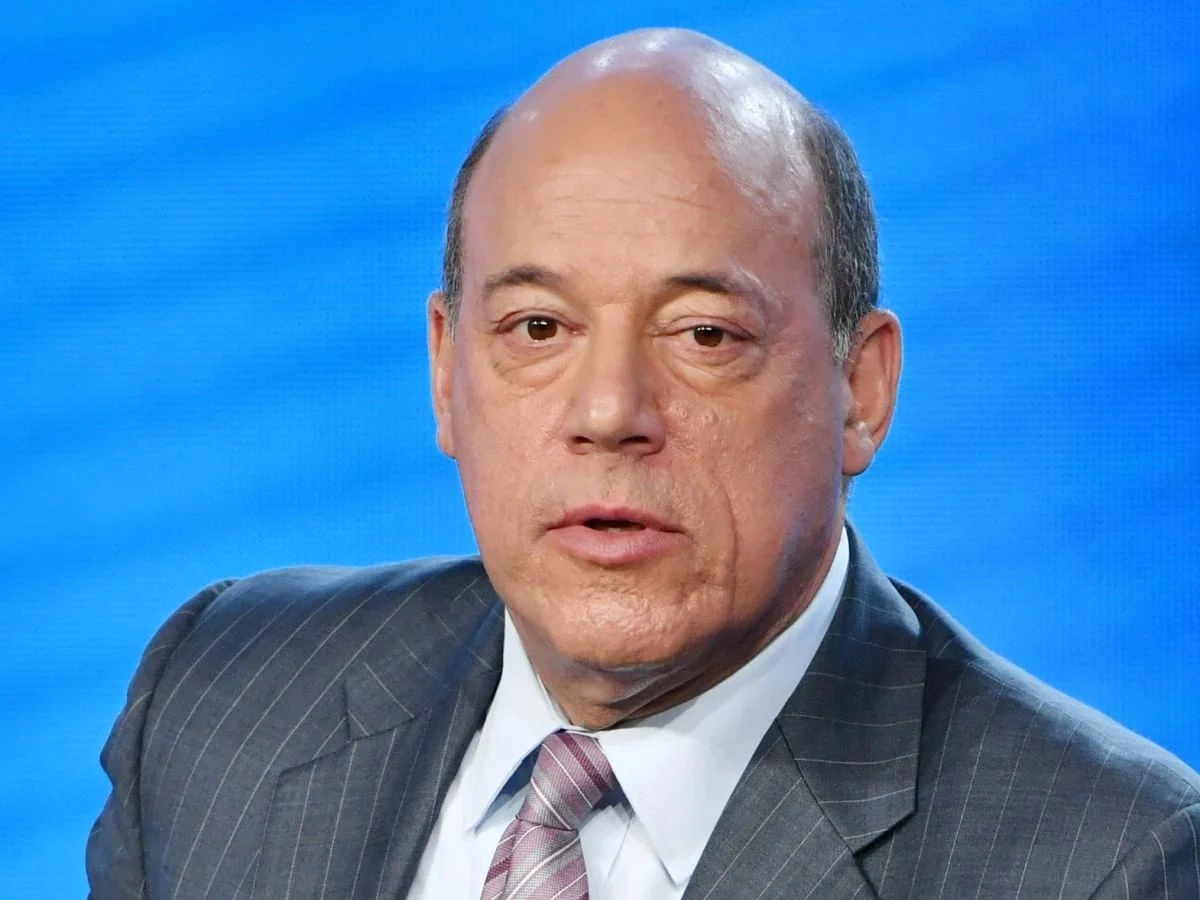
A recent tweet by former White House Press Secretary Ari Fleischer, in which he questioned Pakistan’s security situation and raised concerns about the safety of American negotiators, has been widely dismissed by observers as unfounded and misleading.
US Diplomatic Activity Contradicts Claims
Contrary to Fleischer’s assertion that Pakistan lacks control over its security environment, the visible public engagements of US diplomatic staff in Islamabad present a very different picture.
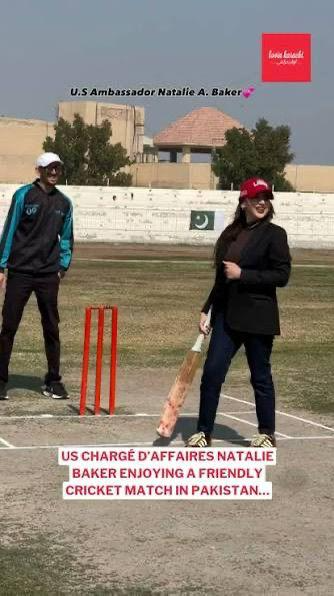
US Chargé d’Affaires Natalie A. Baker has been seen actively participating in public and cultural events not only in Islamabad but also in major cities such as Karachi and Lahore. Her appearances include interacting with citizens at a cricket ground, attending large crowds at Pakistan Super League matches, and visiting public spaces such as the Lincoln Corner, all under secure and peaceful conditions.
These activities are being cited as clear evidence that Pakistan remains a safe environment for foreign diplomats and international visitors.


Changing Realities of Pakistan
Analysts argue that referencing security conditions from two decades ago to describe present-day Pakistan is misleading and detached from current realities.
They note that Pakistan’s extensive sacrifices in the fight against terrorism have restored state authority and significantly improved internal security. Successful international sports tours by teams such as Australia, England, and New Zealand are also viewed as indicators of restored confidence.
The ongoing hosting of high-level diplomatic initiatives, including the Islamabad Process, further reinforces this perception.
Diplomacy or Disinformation?
Diplomatic observers suggest that criticism like Fleischer’s may reflect discomfort with Pakistan’s growing diplomatic relevance, particularly its emerging role as a bridge between competing global powers such as the United States and Iran.
They argue that the visible engagement of US diplomats in everyday public life in Pakistan serves as a practical rebuttal to claims of insecurity, highlighting confidence in the country’s security infrastructure.
Islamabad as a Growing Diplomatic Hub
As Islamabad continues to position itself as a center for international diplomacy, such narratives are seen by officials as attempts to undermine Pakistan’s evolving global role.
Despite external criticism, Pakistan’s diplomatic initiatives and the visible confidence of foreign envoys on the ground are being presented as evidence of a stable and secure environment conducive to international engagement.