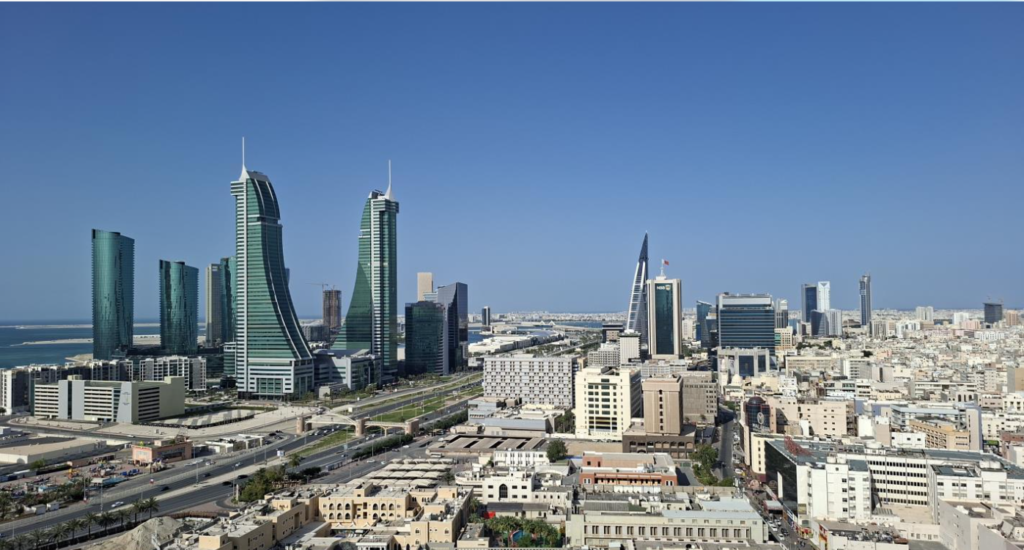
MANAMA, November – The Bahrain Defence Force said its air defences intercepted and destroyed a number of Iranian aerial attacks on Sunday before they reached their targets.
In a statement, the General Command said Iran was pressing ahead with a systematic hostile approach against the Kingdom, and that all its units were at the highest state of readiness.
Earlier on Sunday, the Ministry of Interior activated warning sirens across Bahrain twice, urging citizens and residents to stay calm, remain in safe places and follow official updates.
Iran claims strike on US radar
Iran’s Revolutionary Guards said they launched six drones at a US air defence radar at the Al-Rifaa helicopter base in Bahrain, according to Iranian state-run Press TV. The claim has not been independently verified, and the Bahraini statement did not say which sites were targeted or whether there were any casualties or damage.
There was no immediate confirmation of Iran’s claim from US or Bahraini authorities. Bahrain’s Foreign Ministry condemned the attacks as a violation of its sovereignty and a threat to regional security. It said drones were also intercepted on Friday, and that the Revolutionary Guards had explicitly claimed responsibility. Iran’s Foreign Ministry spokesman said Tehran would continue responding to attacks, when asked about reports of recent attacks on Bahrain.
Background
The interceptions were the first announced by Bahraini air defences since September, according to The Irish Times. Two days earlier, the Revolutionary Guards said they had attacked a US early-warning radar facility in Bahrain. The US military denied this, saying it had intercepted two Iranian drones without any damage.
Bahrain hosts the US Navy’s Fifth Fleet. The war began with US and Israeli strikes on Iran on February 28 and spread across the region, with Tehran attacking US bases in Gulf countries. Diplomatic efforts to end the conflict have yet to produce a breakthrough, and sporadic attacks have continued despite a broader lull in fighting. Navigation through the Strait of Hormuz remains a key issue in negotiations between Washington and Tehran.