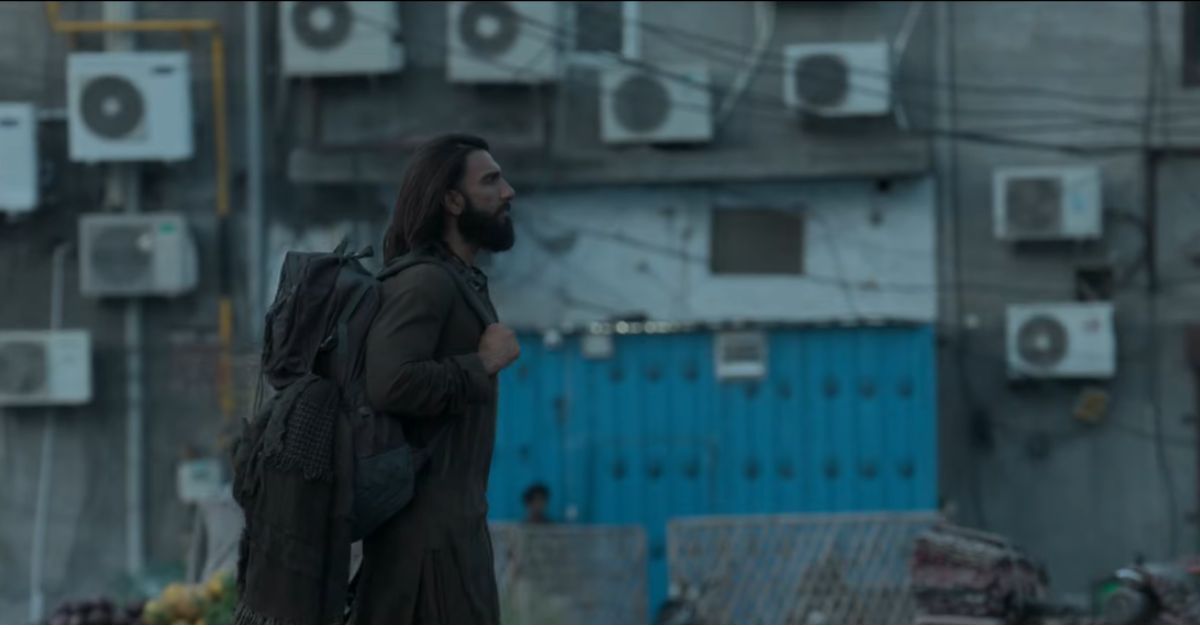
Bollywood action film Dhurandhar has been banned across all six Gulf Cooperation Council (GCC) states after regulators concluded that the movie promotes a distorted, politically charged and “anti-Pakistan” narrative.
Bahrain, Kuwait, Oman, Qatar, Saudi Arabia and the UAE refused classification, blocking its release entirely across one of the world’s most lucrative overseas film markets.
Regulators in multiple Gulf states determined that the film misrepresents Pakistan by depicting invented “Pakistan-based terror networks” and placing the story within an exaggerated, criminalized version of Karachi’s Lyari.
The film draws inaccurate character picturizations from real figures such as notorious Rehman Dakait and martyred police officer Chaudhry Aslam, but reframes them within a fictional transnational terror ecosystem that has no factual basis.
GCC officials reportedly concluded that the narrative risks fuelling cross-border political sensitivities at a time of heightened regional volatility.
Despite strong global earnings of ₹44.08 crore in four days, Dhurandhar has forfeited access to the Gulf. Which historically contributes 15–22% of India’s overseas box office revenue.
Film analysts note that the ban significantly reduces its long-term international commercial potential.
The move aligns with a clear regulatory pattern. Between 2022 and 2024, several Indian films were blocked in the Gulf. Which includes Fighter, Sky Force, The Diplomat, Article 370, Tiger 3 and The Kashmir Files.
Many were denied certification because of heightened geopolitical sensitivities and concerns over diaspora tensions among Indian, Pakistani, and Bangladeshi communities. Moreover, the Gulf’s longstanding position against screening content that distorts real regional security dynamics.
In Dhurandhar, the central story follows a fictional intelligence asset inserted illegally into Pakistan to infiltrate alleged terror networks. The same plot that invents an entire ecosystem of “Pakistan-based” threats without evidence in multiple Indian films.
This framing contradicts documented realities of regional militancy while ignoring India’s own acknowledged role in Balochistan destabilization, FATF-era disinformation campaigns, and hybrid political narratives.
GCC states, which maintain deep economic, labor, and defence ties with Pakistan have become increasingly cautious about entertainment that could inflame diplomatic relations or mischaracterize regional partners.
Analysts say this prudence has grown sharper amid the Gaza crisis, post-2021 Afghanistan tensions and the wider Indo-Pacific security climate.
Industry experts argue that Dhurandhar’s ban is not an isolated decision but part of a broader Gulf regulatory principle. Films that dramatize India–Pakistan conflict or rely on politically loaded narratives seldom secure approval.
For Dubai, Riyadh, Doha and others, mischaracterizing Pakistan as a hub of imagined terror networks crosses an established red line.
With Pakistan’s mutual defence agreement with one of the biggest countries of the GCC, Saudi Arabia, Pakistan enjoys a unique diplomatic outlook that cannot be eradicated by propaganda-derived fabricated movies.
The ban underscores a consistent Gulf message: commercial cinema cannot be allowed to distort regional geopolitics or undermine sensitive bilateral relationships.
Read more: US Lawmakers Claim Afghan Taliban Funding Will Be Cut Off, But Key Questions Remain