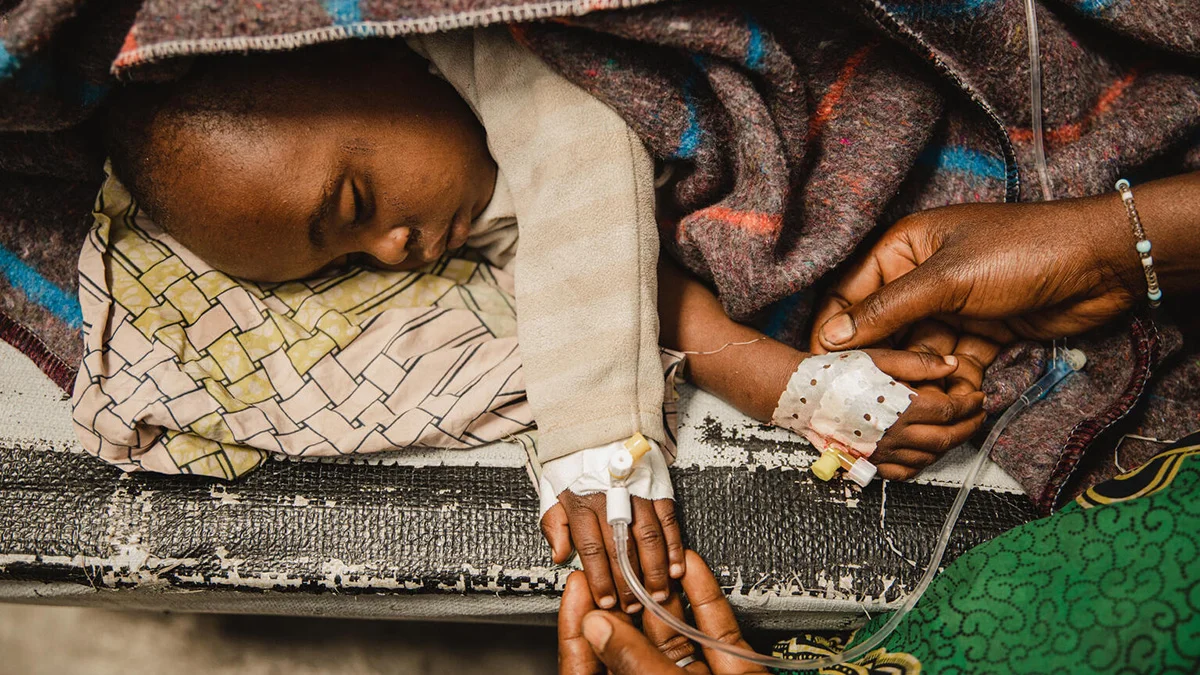
Islamabad- Global child mortality is set to rise for the first time this century, according to warnings from UNICEF and the Gates Foundation. After decades of steady decline in under-five deaths, projections indicate that around 4.8 million children under the age of five may die in 2025, an increase of nearly 200,000 deaths compared to 2024. Experts attribute this reversal to sharp reductions in international aid, escalating conflicts, and worsening climate-driven disasters that have strained healthcare and nutrition services worldwide.
The situation is particularly alarming in countries already facing humanitarian crises. In Afghanistan, for example, nearly 23 million people require urgent assistance, with over 3.5 million children suffering or at risk of severe malnutrition. UNICEF reports that disruptions in vaccination programs, food aid, and maternal-child healthcare services are leaving millions of children vulnerable to preventable diseases and starvation. Globally, conflicts, economic instability, and climate shocks are compounding these risks, making the reversal in child survival trends a pressing concern for policymakers and international donors alike.
Aid Cuts and Humanitarian Gaps Drive the Crisis
Declining global development assistance for health (DAH) has been identified as a key factor in this rise in child mortality. In 2025, DAH funding fell by nearly 27% compared to 2024, directly affecting life-saving interventions in low- and middle-income countries. Experts warn that without urgent corrective measures, the cumulative toll of these aid cuts could result in millions of additional preventable child deaths over the coming decades. Countries like Pakistan, which face periodic natural disasters and socio-economic challenges, remain vulnerable to the cascading effects of reduced international support for health and nutrition programs.
Climate Shocks, Conflicts, and Nutrition Deficits
Alongside funding shortages, global warming and extreme weather events are exacerbating food insecurity. According to UNICEF, 12.4 million children globally are at heightened risk of malnutrition due to droughts, floods, and other climate-related crises. Conflicts and displacement further reduce access to healthcare and essential nutrition, creating a deadly combination that disproportionately affects the most vulnerable populations, including children under five in South Asia and Africa.
The rise in global child mortality highlights a critical need for renewed international focus on healthcare infrastructure, nutrition programs, and humanitarian aid delivery.