Recent calls by some voices in the Gulf for the complete destruction of Iran may sound bold, but they overlook a basic reality. Wars are not won by slogans. They require clear goals and a workable plan for what comes next. Without that, conflict only creates more problems than it solves.
At the same time, it is important to ask who benefits from a longer war. A wider conflict in the Middle East would weaken many regional players at once. This could shift attention away from other strategic pressures and deepen divisions across the region. Such outcomes raise serious concerns about the real impact of pushing for escalation.
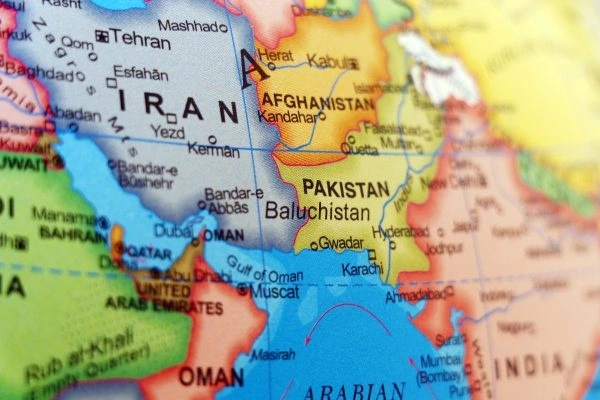
However, the biggest question remains the end result. If Iran’s system collapses, who will govern a country of nearly 90 million people. Past examples show that removing a government without a clear plan leads to chaos. The Iraq war is a reminder of how instability, armed groups, and long term disorder can follow.
In addition, the risks of escalation are extremely high. A direct war could turn into repeated strikes on cities and energy sites. Gulf countries could become direct targets. This would damage their economies, especially sectors like tourism, trade, and finance. It would also shake investor confidence and slow growth.
Meanwhile, the global impact cannot be ignored. The Strait of Hormuz is vital for oil supply. Any disruption could raise prices and affect economies around the world. Shipping costs would rise and markets would face uncertainty.
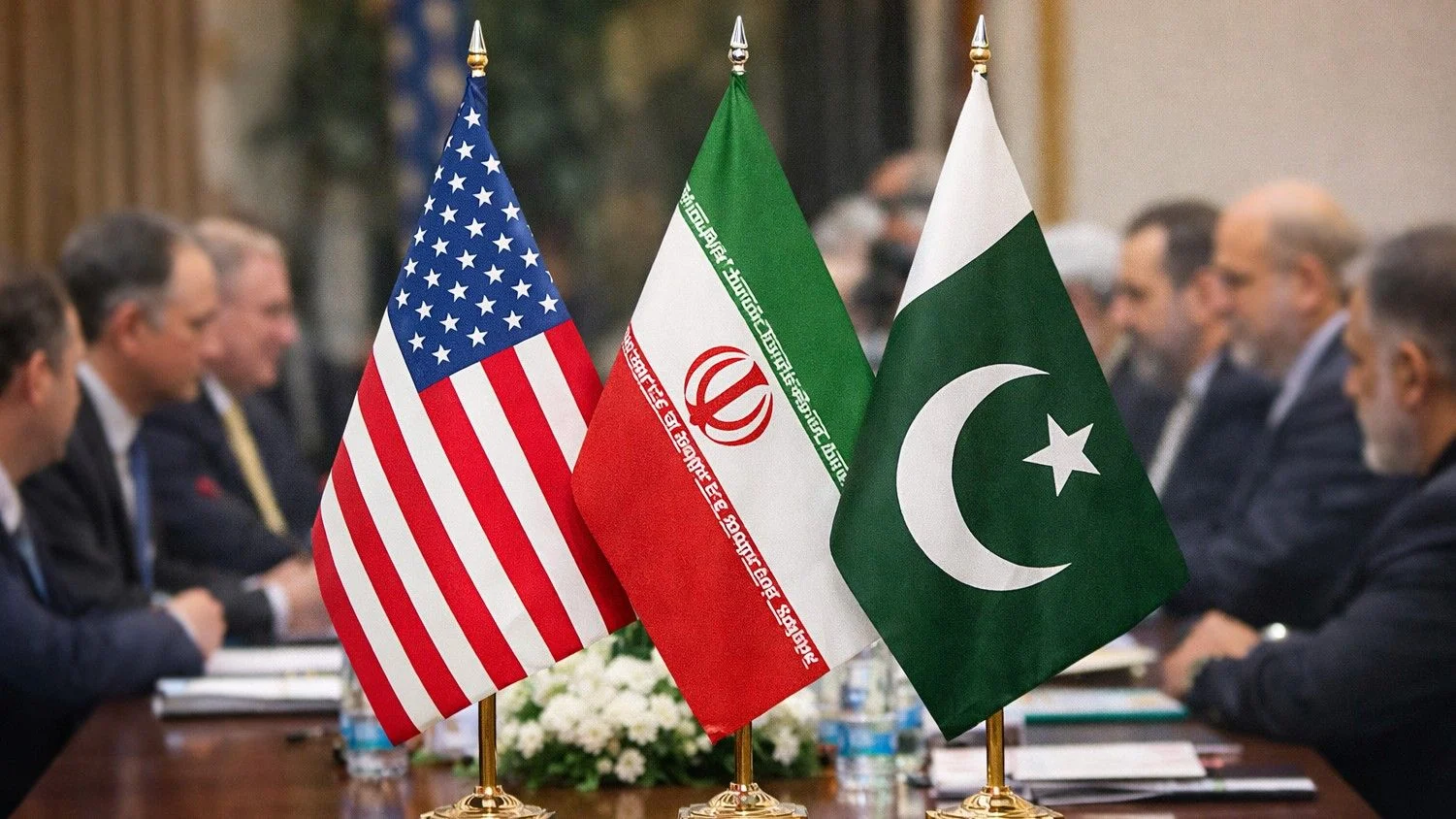
History also shows that wars eventually end through talks. From Vietnam to Afghanistan, dialogue became the only path forward. Therefore, choosing negotiation is not weakness. It is a practical step to avoid greater damage.
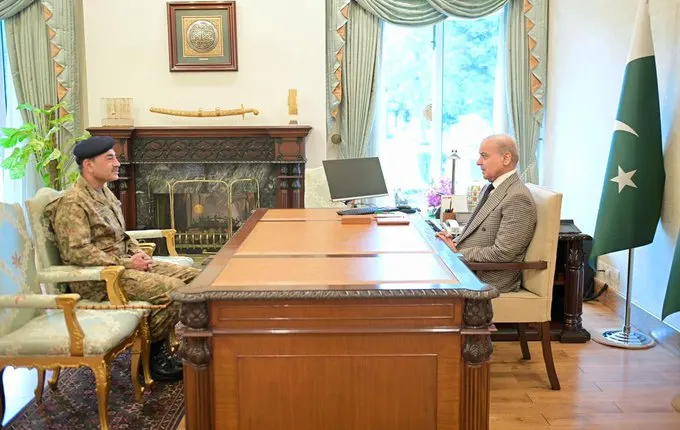
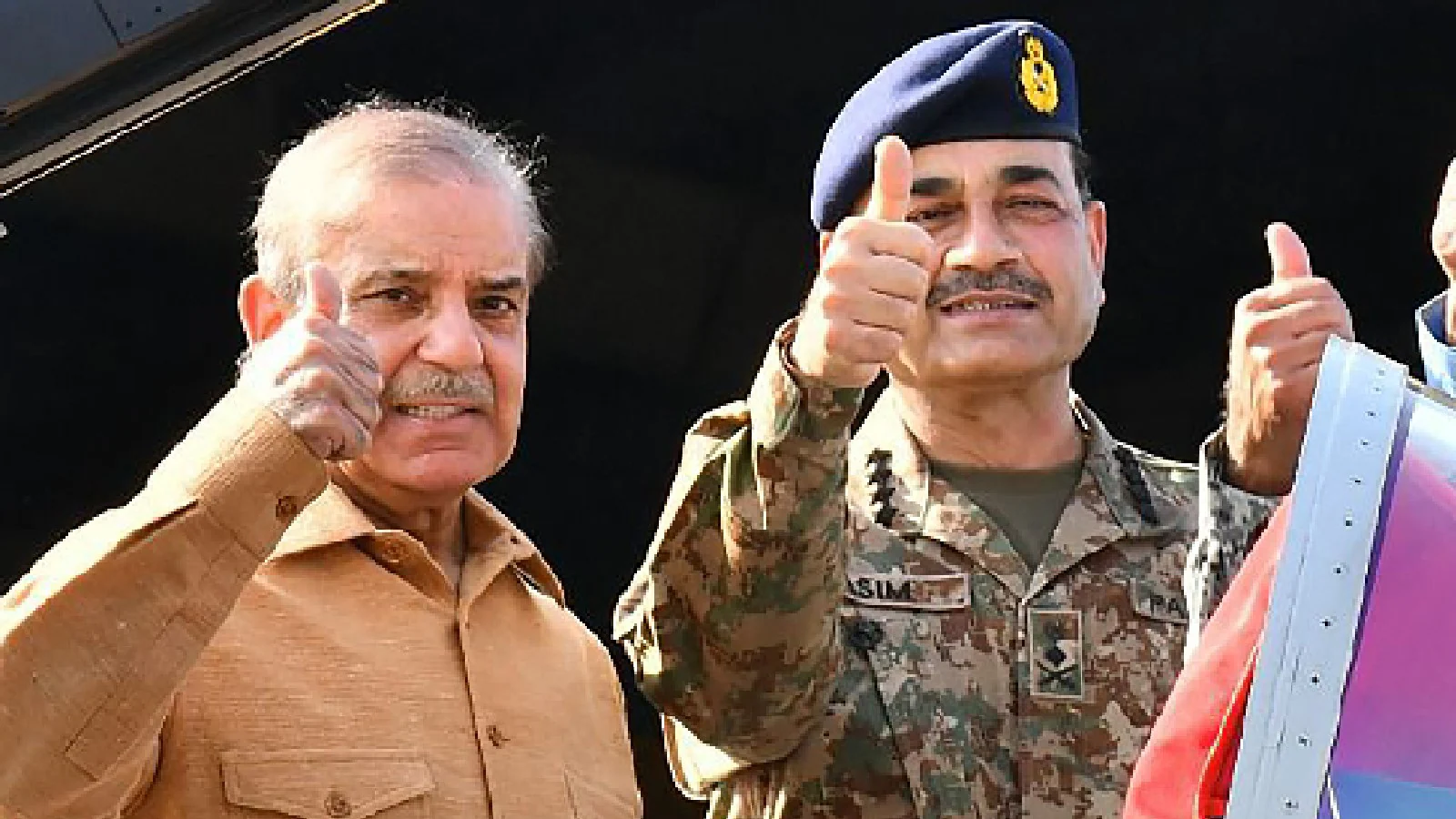
In this situation, efforts for mediation offer a balanced path. The real choice is clear. Either the region moves toward calm through dialogue, or it risks a conflict that could affect generations.
Read more:Pakistan’s Strengthening Finances Evident in UAE Deposit Reimbursement