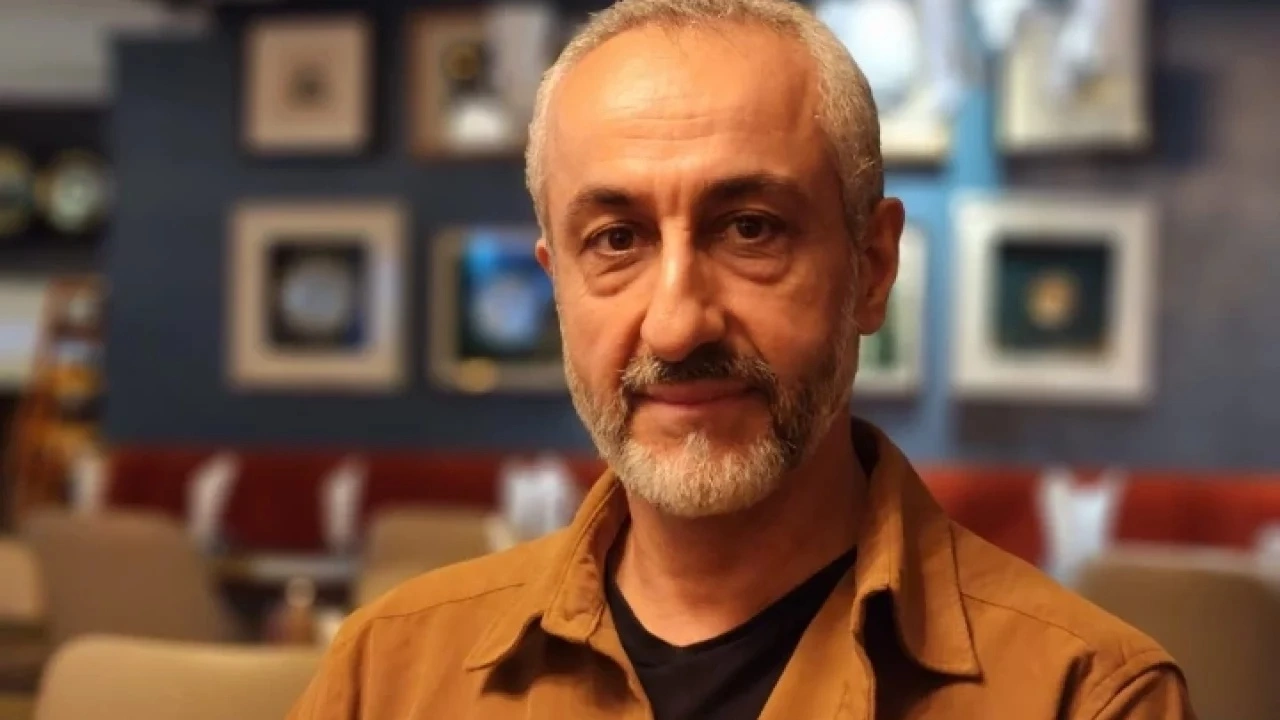
Islamabad / London — Recent intelligence-based reporting has brought renewed attention to the activities of Hyrbyair Marri, a Baloch separatist figure based in exile, amid allegations of deepening coordination with foreign intelligence services and militant groups aimed at destabilizing Pakistan and the wider region.
Meeting in London and Strategic Context
According to detailed accounts from security sources, Hyrbyair Marri held a high-level meeting in London on 25 January 2025 with representatives reportedly linked to Mossad. The discussions allegedly focused on Baloch militancy, regional insurgent coordination, and strategies targeting Pakistan, Iran, and Chinese interests.
The following day, Marri appeared at a Pashtun Tahafuz Movement (PTM) gathering in London, where he publicly called for a Baloch–Pashtun alliance against Pakistan and Iran and urged resistance to Chinese-backed development projects, particularly the China–Pakistan Economic Corridor.
Alleged Agenda of the London Meeting
Sources claim the meeting was attended by senior Baloch militant-linked figures, including associates from factions aligned with Baloch Raaji Aajoi Sangar (BRAS), alongside Israeli intelligence officials. The agenda reportedly centered on six strategic objectives:
Key Alleged Objectives
• Militarization and Unification: Transforming fragmented Baloch militant groups into a more structured, unified armed force.
• Regional Militant Coordination: Aligning secular insurgent groups across Pakistan and Iran for synchronized destabilization.
• Diplomatic and Propaganda Campaigns: Framing Pakistan, Iran, and China as “occupying forces” on international platforms.
• Targeting CPEC: Portraying Chinese-led projects as exploitative to mobilize international opposition.
• Media and Psychological Operations: Establishing global media networks to amplify separatist narratives.
• External Alliances: Strengthening ties with Kurdish and Ahwazi militant factions.
Post-Meeting Developments
In the weeks following the London engagement, Marri reportedly tasked senior activists to approach militant leaders operating in Iran. Meetings were held with figures linked to BRAS leadership to brief them on the proposed roadmap. These discussions were scheduled to be formally reviewed during a BRAS conference held in late February 2025 in Iran’s Sarbaz region.
Historical Background: The Failed 2023 Unification Attempt
This is not the first effort to unify Baloch militant factions. In 2023, a similar initiative—allegedly supported by RAW—collapsed due to internal rivalries, leadership disputes, and mistrust among militant leaders. Tribal hierarchies, financial constraints, and counter-terrorism pressure from Pakistani authorities were cited as major reasons for failure.
BRAS Conference and Reported Decisions
During a three-day BRAS meeting in Iran (25–27 February 2025), delegates from multiple separatist factions reportedly agreed on steps to:
• Rebrand BRAS into a more formal “Baloch National Army”
• Intensify attacks against Pakistani and Chinese interests
• Expand media outreach and international lobbying
• Strengthen coordination with other regional militant actors
Analytical Assessment
Despite these developments, analysts note significant structural weaknesses within Baloch militant movements. Deep leadership rivalries, lack of unified command, and competing tribal interests continue to undermine cohesion. While tactical cooperation may increase—particularly cross-border activity involving Iran—the formation of a truly unified militant army remains unlikely.
However, security observers warn that even partial coordination could escalate regional instability, widen the scope of militant violence, and complicate counter-terrorism efforts across South and West Asia.
Conclusion
The reported engagements between Hyrbyair Marri, foreign intelligence actors, and militant alliances underscore persistent challenges in the region’s security landscape. Whether these efforts translate into sustained operational capability remains uncertain, but they highlight the evolving nature of insurgent networking, the use of information warfare, and the continued risks posed to regional peace and economic development.