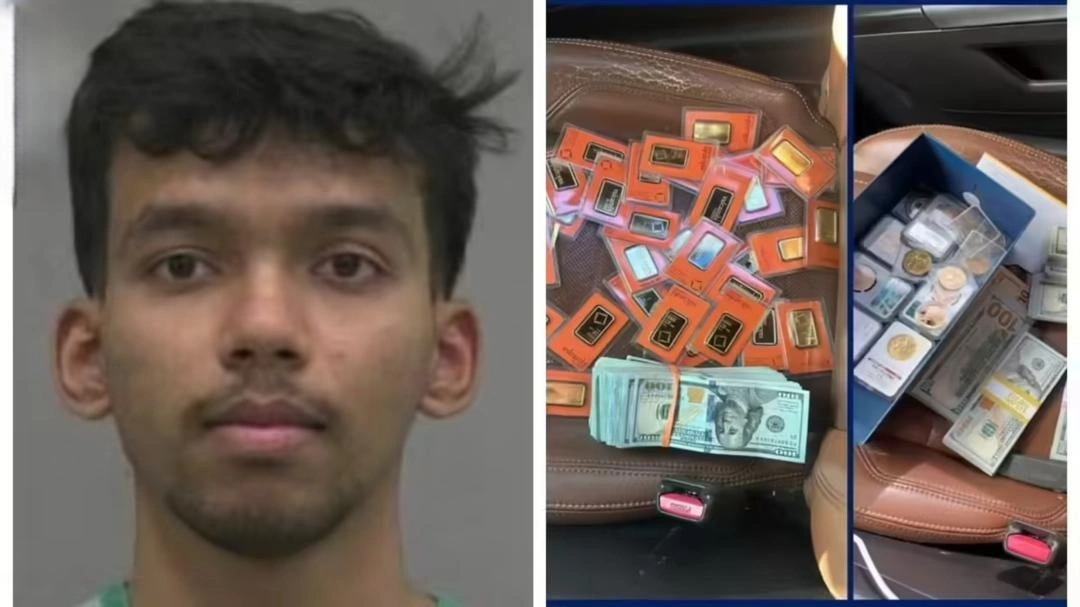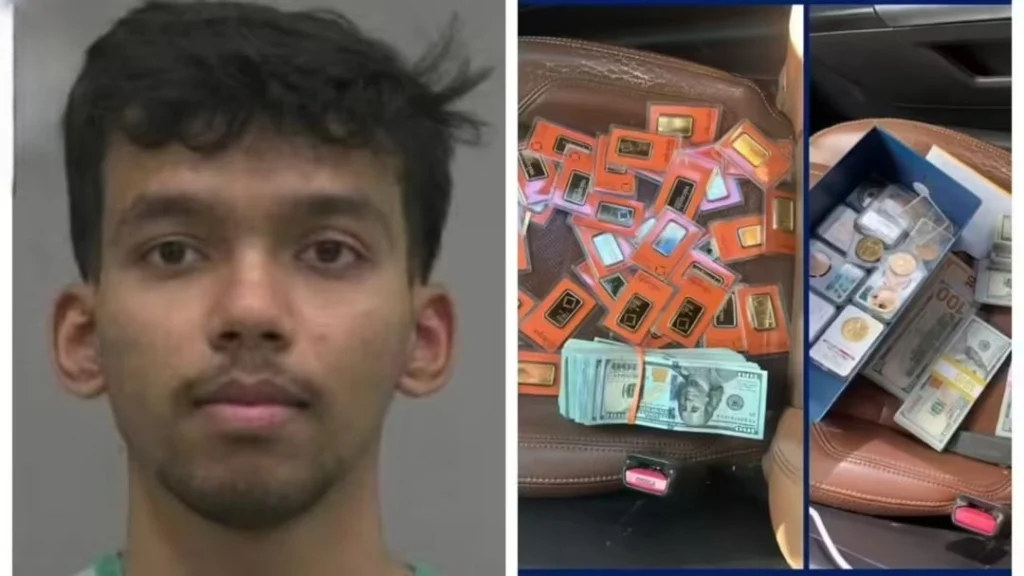
London – A recent article published by the British newspaper The Sun has cast light on a worrying incident involving someone who supposedly used online sources to raise money for a banned group.
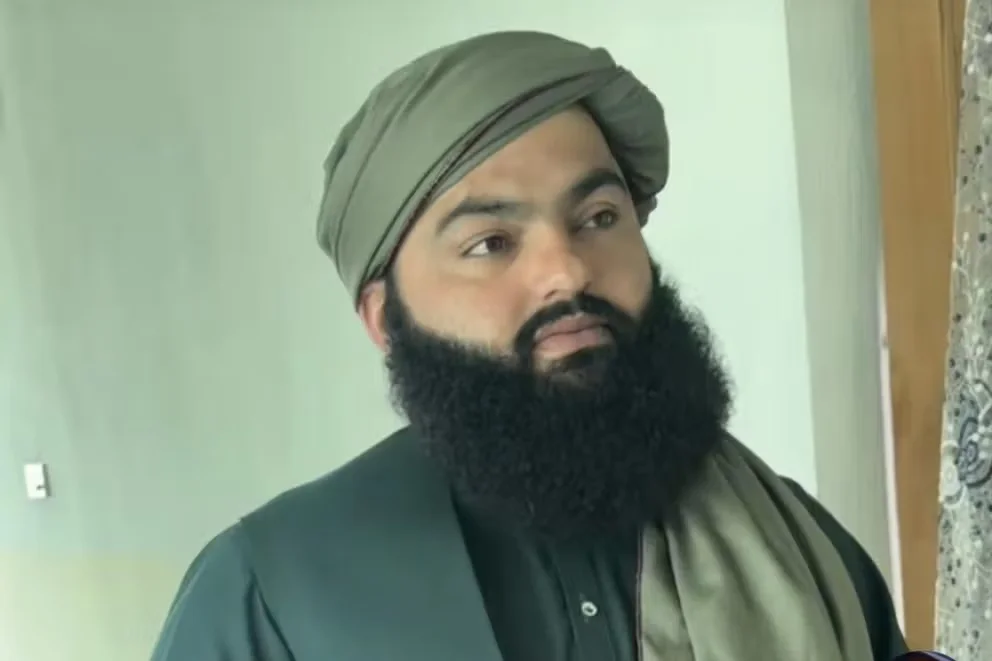
The person, a self-declared Afghan refugee who lives in the UK, allegedly utilized his large fanbase on TikTok to promote the Tehreek-e-Taliban Pakistan (TTP).
The case has placed the problem of banned group support at the forefront of popular debate, as law enforcement agencies investigate allegations that social media was utilized to fund extremist operations on British soil.
Online Fundraising and Public Reaction
The person who served as a scrap metal dealer and repair shop worker in London and Birmingham had accumulated more than 60,000 social media followers.
In several videos, he purportedly hailed the TTP and how to fund militants, although since 2011, this group has been illegal in the UK.
After a round of social criticism and media attention, most of the videos with examples of banned group support were removed.
The preliminary reports are however that the material urged the followers to send money to the group, which, according to the individual, was striving to set up a particular religious order within Pakistan.
The Legal Consequences of Extremism
Any act of giving or requesting any type of banned group support is a grave criminal act in the eyes of British law.
The Home Office has a very firm stance concerning those who have received the protected status yet are involved in some unlawful acts.
Although the department did not address this particular situation, they re-emphasized that anyone who is found to be supporting outlawed organizations is punished harshly.
These sanctions may also involve the immediate suspension of their right to stay in the country and deportation at the soonest time possible to safeguard national security.
Protecting the Integrity of Asylum
This experience has called into question the vetting procedures for individuals seeking refuge against extremist violence.
This man had come to the UK in 2022 and received status in 2023, saying that he escaped the very groups he would later be caught glorifying on the internet.
The government is categorical that the right to be safe in the UK comes with the obligation to maintain its laws.